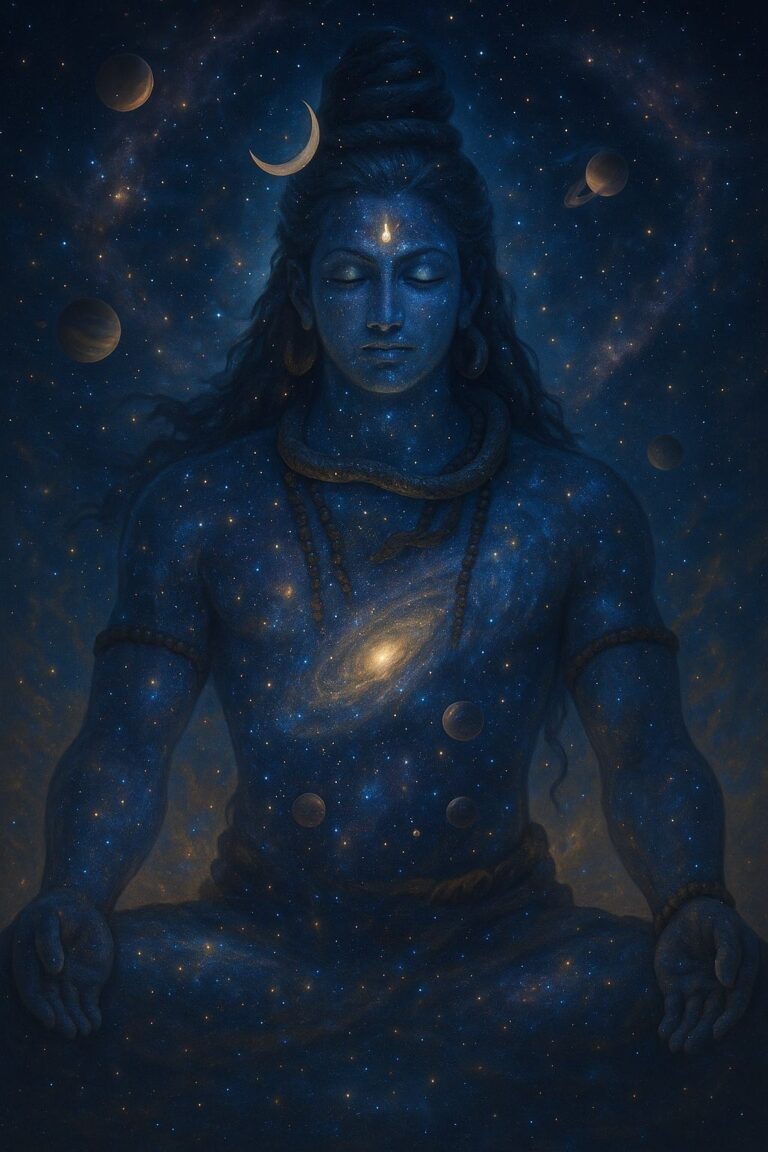
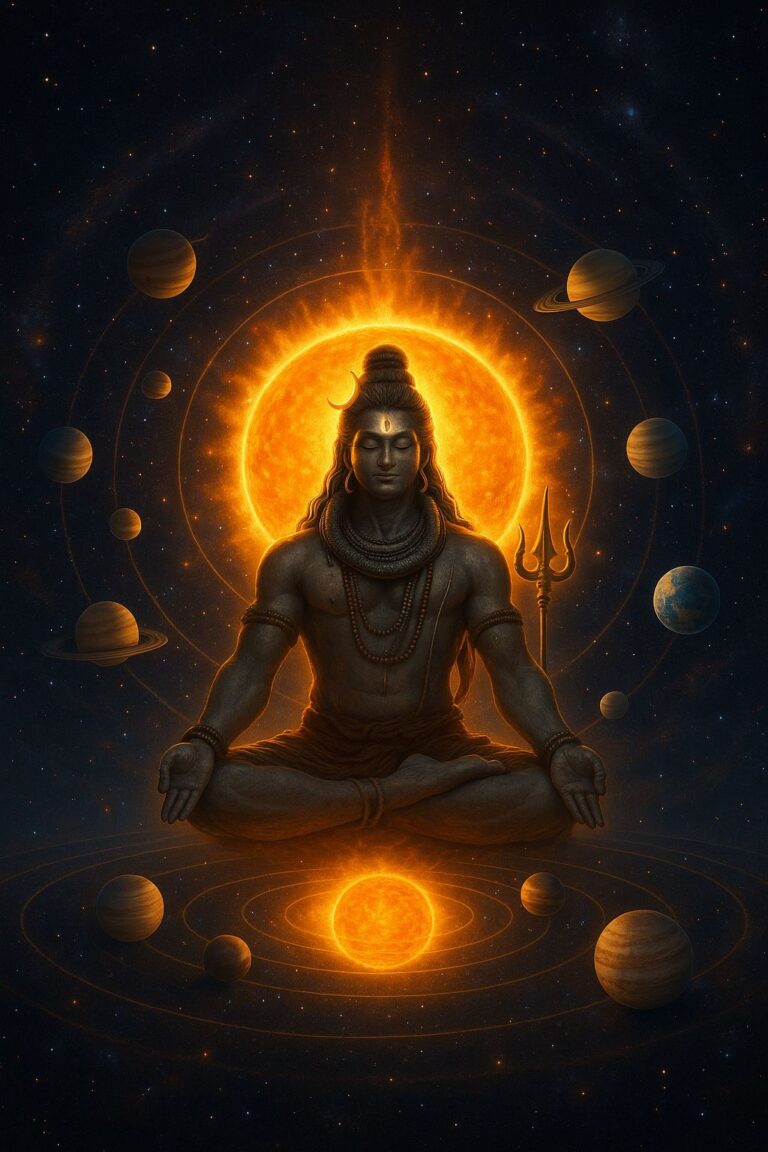
Dreams play a powerful role in Indian spirituality, especially when they occur during times of religious celebration. Spiritual dreams during Indian festivals are often seen as divine messages, signs of good fortune, or warnings meant to guide a person’s path. For generations, families across India have shared dream stories during Diwali, Holi, Navratri, and other festivals, interpreting them with the help of traditions, scriptures, and cultural wisdom. These dreams can reveal blessings, communicate with ancestors, or even point toward lucky numbers.
Last updated: 13 August 2026 · Drawing on references to dreams in the Upanishads, Garuda Purana and Atharva Veda, alongside regional festival traditions.
Quick Answer
Dreams during Indian festivals are traditionally seen as more spiritually significant than ordinary dreams, since fasting, rituals and collective devotion are believed to heighten spiritual receptivity. The meaning depends on the specific festival, the deity or symbol that appears, and the lunar phase the festival falls on — a dream of Goddess Lakshmi during Diwali carries different weight than the same dream on an ordinary night.
Introduction to Spiritual Dreams in Indian Culture
In Indian culture, dreams are not dismissed as simple subconscious images. Ancient texts such as the Upanishads, Garuda Purana, and Atharva Veda mention dreams as reflections of karma and divine will. Spiritual seekers and householders alike have long paid attention to dreams, especially during religious times.
Festivals create a unique atmosphere where devotion, rituals, and community prayers intensify spiritual energy. When the mind is surrounded by chants, offerings, fasting, and rituals, dreams that appear during sleep often carry symbolic meaning. Many believe these dreams are more vivid, memorable, and spiritually significant than ordinary ones.
The Connection Between Dreams and Festivals in India
Why Indian festivals are believed to enhance dreams
During festivals, people perform rituals that purify the body and mind, such as fasting, bathing in holy rivers, and lighting sacred lamps. These practices create a receptive state of consciousness, making dreams stronger and more symbolic. For example, a person who fasts during Navratri may experience dreams of goddesses as a reflection of devotion.
Cultural and religious beliefs shaping dream interpretations
Communities across India pass down dream interpretations as oral traditions. For example, elders may tell children that dreaming of a lamp during Diwali is a sign of prosperity. Hindu, Jain, Sikh, and Buddhist festivals all emphasize purity of thought, which often translates into spiritually meaningful dreams.
Astrological Connection of Festival Dreams
In addition to spiritual symbolism, many traditions believe that the intensity of spiritual dreams during Indian festivals is closely tied to astrological alignments. Festivals in India are usually celebrated in sync with the lunar calendar, planetary positions, and cosmic energies – all of which are said to influence the subconscious mind and the nature of dreams.
Lunar Influence
Most festivals align with significant lunar phases such as full moon (Purnima) or new moon (Amavasya). These times heighten emotions, intuition, and spiritual sensitivity, making dreams more vivid. For example:
- Diwali on Amavasya: Dreams may reveal themes of renewal, victory of light over darkness, or guidance for new beginnings.
- Holi on Purnima: The full moon energy amplifies dreams of release, forgiveness, and joyful transformation.
Planetary Energies
Certain deities celebrated during festivals are connected with specific planets, and their influence may surface in dreams:
- Lord Ganesha (Ganesh Chaturthi) – Linked with Mercury (Budh), representing intellect, problem-solving, and communication. Dreams during this time may highlight clarity, new ventures, or removal of obstacles.
- Goddess Lakshmi (Diwali) – Associated with Venus (Shukra), symbolizing abundance, prosperity, and harmony. Dreams may carry messages about wealth, beauty, or relationships.
- Navratri Deities – Durga, Saraswati, and Lakshmi align with Mars, Jupiter, and Venus respectively. Their planetary vibrations may manifest in dreams as courage, wisdom, or abundance.
Eclipses and Rare Alignments
On rare occasions, a festival may coincide with an eclipse or unique planetary transit. Astrology views these moments as spiritually charged, where dreams may hold karmic messages or even warnings. For instance, a dream during such a time may symbolize the closing of one karmic cycle and the opening of another.
Interpreting Festival Dreams with Astrology
- Check the Moon phase of the festival to understand the emotional or intuitive tone of the dream.
- Note planetary themes connected to the deity or rituals celebrated during that time.
- Combine astrology with symbolism: A dream of light during Diwali is not just about prosperity but also Venusian blessings aligned with the lunar Amavasya.
In this way, astrology offers a deeper framework to decode the hidden energies behind dreams experienced during festivals, helping you see them not just as symbols but as reflections of cosmic rhythms.
Festivals, Astrology, and Dream Themes
| Festival | Astrological Influence | Common Dream Themes |
|---|---|---|
| Diwali (Amavasya) | New Moon + Venus (Lakshmi) | Renewal, prosperity, victory of light over darkness |
| Holi (Purnima) | Full Moon energy | Forgiveness, joy, letting go, colorful transformation |
| Navratri | Mars (Durga), Jupiter (Saraswati), Venus (Lakshmi) | Courage, wisdom, abundance, divine protection |
| Ganesh Chaturthi | Mercury (Budh) | Clarity, communication, removal of obstacles |
| Chhath Puja / Kumbh Mela | Sun and water rituals under lunar cycles | Purification, karmic cleansing, spiritual rebirth |
| Festivals during eclipses | Strong lunar/planetary alignment | Karmic messages, endings and new beginnings, warnings or shifts |
Common Spiritual Dreams During Indian Festivals
Dreams of gods and goddesses
Seeing deities in dreams is one of the most powerful spiritual experiences. A dream of Lord Ganesha during Ganesh Chaturthi suggests the removal of obstacles, while a dream of Goddess Lakshmi during Diwali is linked to wealth and abundance.
Dreams of fire, lamps, and light during Diwali
Fire and light are central to Diwali. Dreaming of rows of lit diyas is seen as a sign of overcoming darkness and attracting blessings. Conversely, seeing an extinguished lamp may be taken as a warning to remain careful with finances or family matters.
Dreams of animals during Holi and Durga Puja
Holi is associated with color and playfulness. Dreams of animals like cows during Holi symbolize fertility and nourishment. In Durga Puja, dreaming of lions reflects strength and divine protection, as the lion is Goddess Durga’s vahana (vehicle).
Dreams of family ancestors during Pitru Paksha
This period is dedicated to honoring ancestors. Dreams of deceased relatives during this time are believed to be genuine communications, reminding families to perform rituals or blessing them for fulfilling duties.
Symbolic Meanings of Spiritual Dreams During Indian Festivals
Positive signs of prosperity and blessings
Dreams of receiving garlands, fruits, or sacred water are considered extremely lucky. They indicate blessings in health, finances, and relationships.
Warnings and challenges revealed through dreams
Festivals do not always guarantee positive visions. Dreams of broken idols, spilled offerings, or storms may suggest upcoming challenges or forgotten responsibilities.
Dreams as messages of divine guidance
Some dreams act as instructions. For example, dreaming of a temple bell during Navratri may remind a person to visit the temple or complete a pending vow.
Common Scenarios of Spiritual Dreams During Indian Festivals
Festivals in India are infused with devotion, rituals, and collective energy. It is believed that during these sacred times, dreams become more spiritually charged and meaningful. Here are some common scenarios of spiritual dreams during Indian festivals and their possible interpretations:
1. Dreaming of Lamps or Lights During Diwali
Seeing lamps, diyas, or glowing lights in dreams during Diwali symbolizes renewal, victory of light over darkness, and spiritual awakening. Such dreams may indicate blessings of prosperity and a fresh start in life.
2. Dreaming of Goddesses During Navratri
If you dream of goddesses like Durga, Lakshmi, or Saraswati during Navratri, it is seen as a very auspicious sign. It represents strength, abundance, and wisdom entering your life. A dream of Durga may indicate protection, while Lakshmi may symbolize financial blessings, and Saraswati may guide you towards knowledge.
3. Dreaming of Playing Colors During Holi
Dreaming of throwing or being covered in colors during Holi symbolizes forgiveness, joy, and new beginnings. Spiritually, it may represent letting go of grudges and embracing harmony with those around you.
4. Dreaming of Lord Ganesha During Ganesh Chaturthi
A vision of Lord Ganesha in dreams during this festival is highly positive. It represents removal of obstacles and blessings for new ventures. If Ganesha is smiling or blessing you, it suggests a smooth path ahead.
5. Dreaming of Processions or Temples During Major Festivals
Seeing large processions, decorated temples, or hearing devotional songs in dreams can signify collective blessings. It reflects the spiritual energy of the community and may inspire you to strengthen your devotion and connection with tradition.
6. Dreaming of Water Rituals During Festivals Like Chhath Puja or Kumbh Mela
Dreams of bathing in rivers, offering water, or standing near sacred waters during these festivals represent purification and karmic cleansing. They suggest release from past burdens and readiness for spiritual renewal.
7. Dreaming of Food or Prasad During Festivals
Eating or receiving prasad in dreams is symbolic of divine blessings and fulfillment. It reflects nourishment for both body and soul, and often signals gratitude and abundance entering your life.
Festival Dreams and Their Spiritual Messages: Comparison
| Festival | Common Dream Symbol | Spiritual Meaning / Message |
|---|---|---|
| Diwali | Lamps, diyas, glowing lights | Renewal, prosperity, victory of light over darkness |
| Navratri | Goddesses (Durga, Lakshmi, Saraswati) | Strength, abundance, wisdom, and divine protection |
| Holi | Playing with colors | Forgiveness, joy, and embracing new beginnings |
| Ganesh Chaturthi | Lord Ganesha | Removal of obstacles, blessings for fresh starts |
| Chhath Puja / Kumbh Mela | Sacred waters, rituals, bathing | Purification, karmic cleansing, readiness for renewal |
| General Festivals | Processions, decorated temples, devotional music | Collective blessings, community energy, deeper devotion |
| Any Festival | Food or prasad | Divine nourishment, gratitude, and fulfillment |
Lucky Numbers and Dreams Linked to Festivals
Numbers hold great importance in Indian spirituality. Many dreams during festivals reveal repeating numbers that are later interpreted as lucky signs.
- Diwali: Dreaming of three diyas may suggest creativity, while dreaming of seven lamps is linked to prosperity.
- Holi: Seeing four colors may be tied to balance, while nine colors symbolize spiritual completion.
- Navratri: Dreams of the number nine are particularly powerful since the festival honors nine forms of Goddess Durga.
- Chhath Puja: Dreaming of pairs, such as two water offerings, is tied to family blessings.
Some families even use these numbers for lottery choices, property purchases, or naming ceremonies.
Regional Beliefs About Spiritual Dreams During Indian Festivals
North Indian perspectives
In Uttar Pradesh and Bihar, dreaming of rivers or bathing in water during Chhath Puja is taken as a sign of purification. Seeing the rising sun in a dream is considered extremely auspicious.
South Indian interpretations
In Tamil Nadu, dreaming of temple elephants during Pongal is associated with prosperity. In Kerala, dreams of Kathakali dancers during Onam symbolize cultural pride and joyful times ahead.
Beliefs in Eastern and Western India
In Bengal, Goddess Durga’s appearance in dreams during Durga Puja is considered a direct blessing. In Gujarat, dreaming of garba dances during Navratri reflects joy, love, and successful partnerships.
How to Journal and Interpret Festival Dreams
Dreams experienced during sacred times are often vivid and full of meaning, but their messages can fade quickly. A simple process of journaling and reflection can help you uncover the guidance hidden in spiritual dreams during Indian festivals.
Step 1: Record Immediately
Write down your dream as soon as you wake up. Note the symbols, people, objects, colors, emotions, and even the time of night. Small details can hold large meaning. You can use our downloadable Festival Dream Journal Template for free.
Step 2: Connect with the Festival Theme
Relate the dream symbols to the festival being celebrated. For example:
- Lamps in a Diwali dream may symbolize inner renewal.
- Colors in a Holi dream reflect forgiveness or joyful release.
- A goddess vision during Navratri points to protection, wisdom, or abundance.
Step 3: Identify Emotional Tone
Ask yourself: did the dream feel uplifting, confusing, or unsettling? Positive emotions usually signal blessings, while heavy emotions may reflect karmic lessons or warnings.
Step 4: Look at the Moon and Planetary Influence
Check if the dream happened on a new moon, full moon, or eclipse night. Festivals aligned with specific planetary energies (like Venus for Diwali or Mercury for Ganesh Chaturthi) can give you extra insight into the dream’s message.
Step 5: Meditate or Pray for Clarity
Spend a few minutes in silence, meditation, or prayer. This allows subconscious impressions to surface and helps you align the dream’s message with your spiritual path.
Step 6: Apply the Guidance
Ask: What action can I take from this dream? It may be something small like reconnecting with family, forgiving someone, or starting a new project. Festival dreams are not just symbolic – they are often calls to action.
Real-Life Stories of Spiritual Dreams in Festival Times
- Navratri fasting: Many devotees report dreams of Goddess Durga when they are fasting, often interpreting them as signs of divine approval.
- Chhath Puja: A devotee once dreamed of offering water to the sun before the ritual and later felt reassured that the festival would bring blessings to the family.
- Diwali: Some families share stories of dreaming about coins or jewelry before the festival, later experiencing financial improvements.
How Spiritual Dreams Influence Daily Life and Decisions
Dreams seen during festivals often inspire people to take real-life actions. A dream of a broken idol may encourage someone to restore a temple offering, while a dream of a family reunion may prompt reconciliation with relatives. For many, these dreams act as spiritual compasses.
Differences Between Ordinary Dreams and Festival Dreams
Ordinary dreams may reflect daily stress, but festival dreams are influenced by sacred rituals and collective energy. They are usually brighter, more symbolic, and often remembered long after the festival ends.
FAQs About Spiritual Dreams During Indian Festivals
1. Why are dreams more vivid during Indian festivals?
The spiritual atmosphere, fasting, and rituals create a heightened state of consciousness that influences dreams.
2. Are dreams of gods during festivals always good signs?
Yes, dreams of deities are widely seen as blessings, though the details of the dream can add layers of meaning.
3. Can negative dreams be avoided during festivals?
While they cannot be controlled, praying before sleep and keeping the environment pure are believed to reduce negative dreams.
4. Do festival dreams reveal the future?
Not always, but many are interpreted as symbolic guidance rather than exact predictions.
5. How do lucky numbers appear in dreams?
They may appear through repeated objects, colors, or even the number of people or animals seen in the dream.
6. Should I follow every dream as guidance?
Dreams should be respected, but they must be balanced with practical decisions. Spiritual leaders often advise combining personal reflection with tradition.
7. Can dreams during Pitru Paksha be messages from ancestors?
Yes, these dreams are commonly believed to be direct communications from ancestors seeking rituals or offering blessings.
8. Do different festivals bring different types of dreams?
Yes. Dreams may reflect the specific energies of the festival:
- Diwali: light, renewal, and prosperity.
- Navratri: protection, strength, and transformation.
- Holi: joy, forgiveness, and new beginnings.
- Ganesh Chaturthi: removal of obstacles and fresh starts.
Conclusion: The Deeper Meaning of Dreams in Indian Festivals
Spiritual dreams during Indian festivals are woven into India’s cultural and religious fabric. They act as bridges between the human and divine, guiding people with blessings, warnings, and symbolic numbers. Whether one dreams of gods, lamps, or ancestors, these visions are treated with respect and reflection. By recording and interpreting such dreams, individuals connect more deeply with tradition, spirituality, and personal destiny.
Written and reviewed by the Luck in Dreams Research Team, who study Hindu dream symbolism, Vedic astrology and numerology traditions to bring accurate, culturally grounded interpretations to readers.