Dream interpretation has been a vital part of Indian spiritual traditions for thousands of years. Among the most important sources of dream knowledge is swapna shastra Vedic astrology, a system that blends astrological principles with symbolic analysis to understand the messages contained in dreams. This ancient practice views dreams as more than subconscious imagery – they can be omens, warnings, or divine messages, depending on the time, content, and astrological context in which they occur.
In Vedic thought, the term swapna means “dream” and shastra refers to a body of knowledge or science. Swapna shastra is therefore the science of dreams, often explained alongside astrology, numerology, and spiritual philosophy in traditional Indian texts.
Origins Of Swapna Shastra In Vedic Astrology
Swapna shastra has roots in classical Sanskrit literature, particularly works like the Brihat Samhita and various Puranas, which dedicate sections to dream analysis. In these sources, dreams are seen as part of a divine communication system that reflects the alignment of cosmic energies.
In swapna shastra Vedic astrology, dream interpretation is not isolated from the influence of the planets and stars. Instead, the planetary positions at the time of sleep, the lunar day, and the astrological condition of the Moon all play a role in determining whether a dream is meaningful and how it should be interpreted.
Importance Of Timing In Dream Interpretation
A key principle in swapna shastra is that the time of night a dream occurs can influence its accuracy and manifestation:
- Early Night Dreams: Often related to daily activities, stress, or digestion, and usually hold little predictive value.
- Midnight Dreams: These may contain some symbolic truth but often mix reality with imagination.
- Early Morning Dreams: Especially those seen during Brahma Muhurta (roughly 4 a.m. to 6 a.m.) are considered the most significant, as the mind is calm and connected to higher spiritual energies.
This timing approach mirrors concepts shared in early morning dreams in Hinduism, where dreams before sunrise are believed to carry stronger spiritual and predictive weight.
The Role Of The Moon And Planets In Swapna Shastra
In Vedic astrology, the Moon governs the mind and emotions, making it the primary planetary influence on dreams. The Moon’s sign, phase, and aspects can determine the tone, clarity, and emotional resonance of dreams.
Other planetary influences also appear in swapna shastra:
- Mercury: Brings intellectual and communicative dream themes.
- Venus: Associated with beauty, relationships, and comforts.
- Mars: Linked to energy, conflict, and challenges.
- Jupiter: Brings wisdom, guidance, and spiritual dreams.
- Saturn: Often reflects karmic lessons, patience, or limitations.
- Rahu and Ketu: Produce vivid, symbolic, or prophetic imagery.
Types Of Dreams In Swapna Shastra Vedic Astrology
Ancient dream manuals categorize dreams into auspicious, inauspicious, and neutral types.
Auspicious Dreams
These are believed to indicate success, prosperity, or spiritual blessings. Examples include:
- Seeing gold or precious gems
- Bathing in clear water
- Receiving flowers or gifts
- Flying freely in the sky
Inauspicious Dreams
These may serve as warnings or indicate obstacles ahead:
- Losing teeth or hair
- Walking in a dark or muddy place
- Wearing torn or dirty clothes
- Being chased by wild animals
Spiritual Dreams
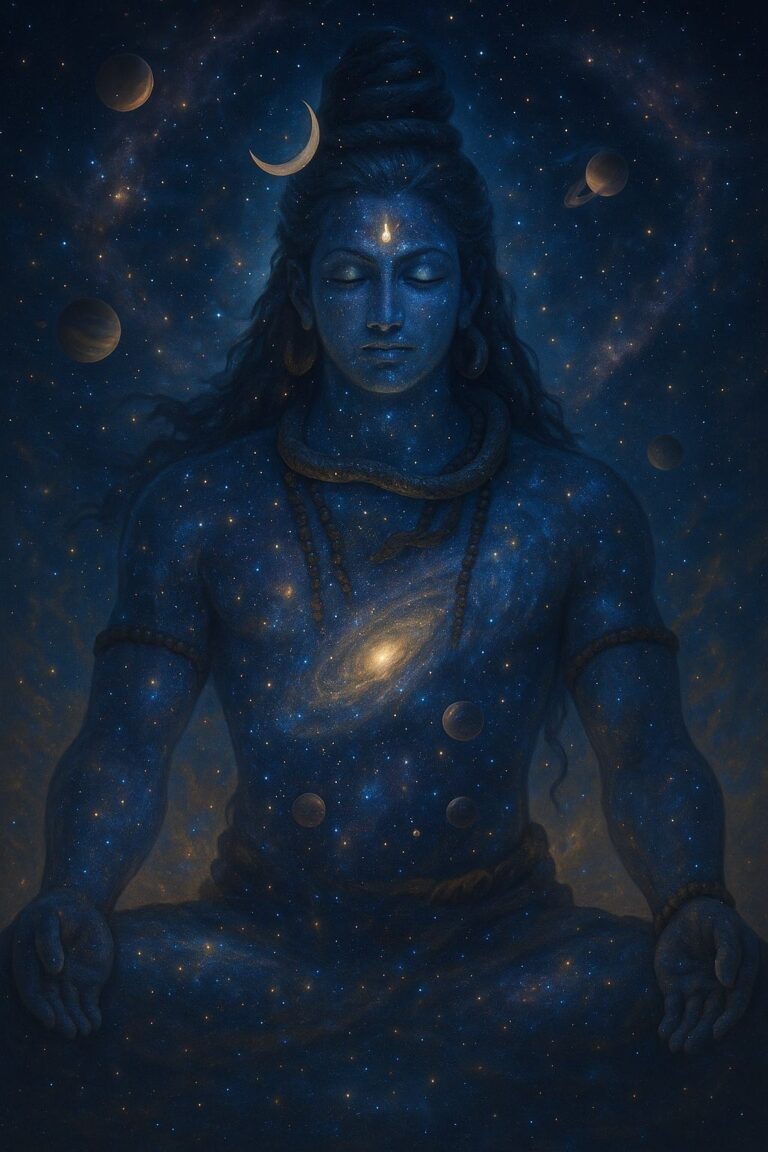
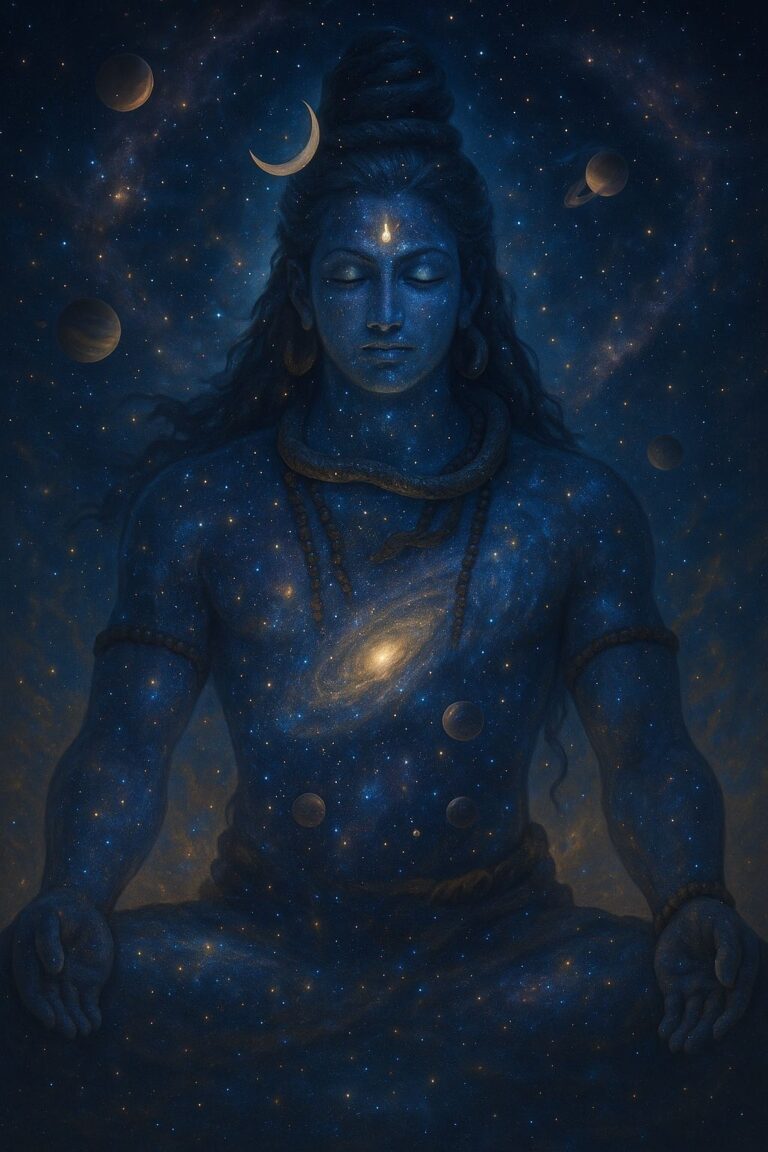
Dreams of deities, sacred objects, or rituals often carry deep significance. For example, seeing Lord Vishnu or Lord Shiva may symbolize protection, transformation, or divine guidance, as explored in dream of Lord Shiva statue.
Interpreting Symbols In Swapna Shastra
In swapna shastra Vedic astrology, symbols are not interpreted in isolation. Their meaning depends on the dreamer’s personal context, the current planetary transits, and even the lunar day (tithi).
For instance:
- Water: Calm, clear water may signify peace and prosperity, while turbulent water could indicate emotional turmoil.
- Fire: Represents purification, transformation, or warning depending on the situation.
- Snakes: Can symbolize Kundalini energy, hidden fears, or upcoming change.
- Flying: Often associated with liberation, spiritual progress, or success.
The Role Of Tithis (Lunar Days) In Dream Analysis
Swapna shastra also emphasizes the lunar day on which a dream occurs:
- Dreams during the waxing Moon (Shukla Paksha) are often linked to positive developments and growth.
- Dreams during the waning Moon (Krishna Paksha) may indicate completion, endings, or preparation for change.
Some tithis are considered especially powerful for prophetic dreams, while others are more likely to produce dreams influenced by mundane concerns.
Practical Steps For Applying Swapna Shastra
- Record The Dream Immediately: Write down as many details as possible.
- Note The Time And Date: This helps determine its likelihood of coming true.
- Observe Emotional Tone: Positive emotions often point to favorable interpretations.
- Check The Moon’s Position: Correlate your dream with the Moon’s sign and phase.
- Seek Expert Input: For complex dreams, consult an astrologer experienced in both symbolism and planetary analysis.
Balancing Ancient Wisdom With Modern Insight
While swapna shastra offers structured interpretations, it’s important to balance these with personal intuition and psychological awareness. Not all dreams are messages from the cosmos; some arise purely from the subconscious mind processing daily events.
However, the value of swapna shastra Vedic astrology lies in its ability to link dream imagery with larger cosmic patterns, offering a way to navigate life’s uncertainties with greater awareness.
Final Thoughts
Swapna shastra Vedic astrology remains a profound system for understanding the hidden messages of dreams. By considering timing, planetary influences, and symbolic meaning, dreamers can gain insights into future events, spiritual guidance, and personal growth.
When approached thoughtfully, this ancient knowledge can transform dreams into valuable tools for self-discovery and decision-making, connecting the dreamer to the timeless wisdom of the cosmos.