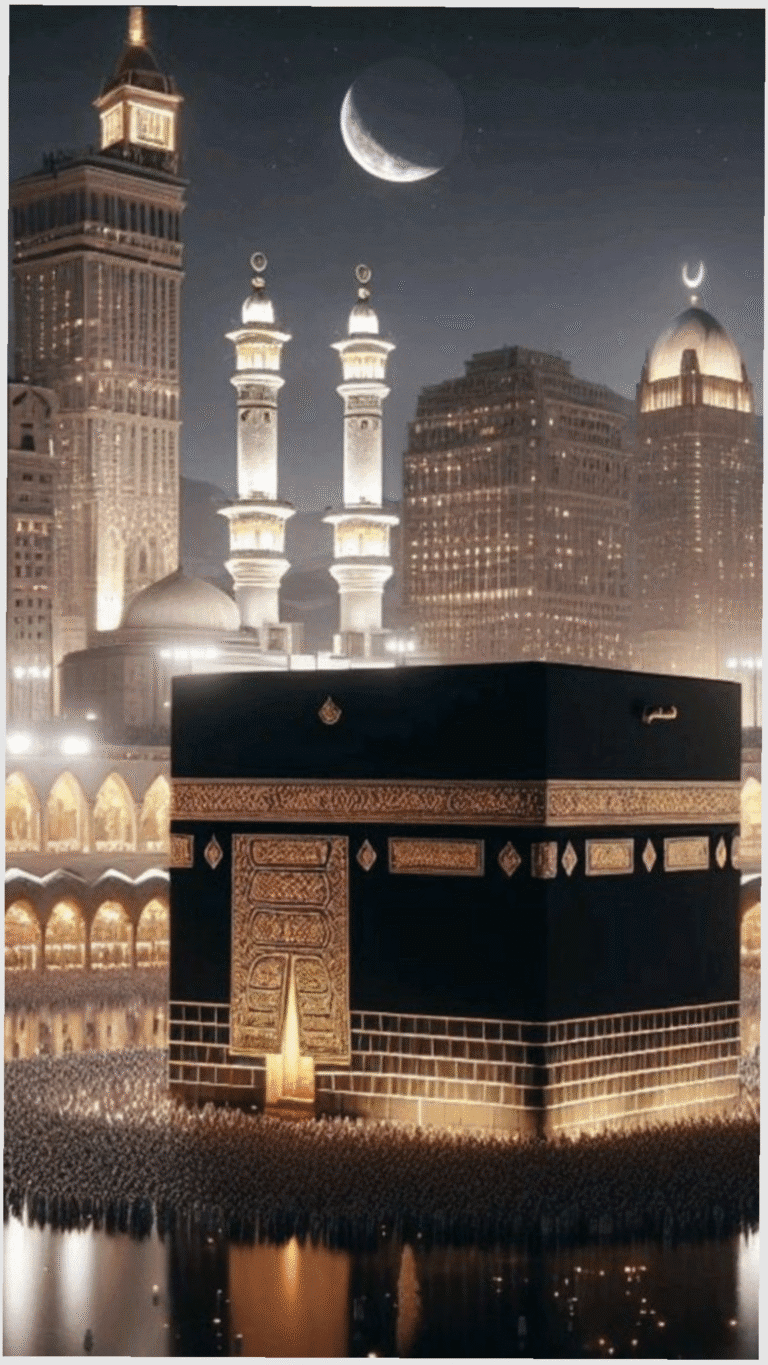
In Islamic tradition, the Quran holds a central place as a source of guidance, healing, and spiritual protection. When someone experiences disturbing dreams, turning to the Quran for bad dreams is a well-established practice rooted in the belief that Allah’s words bring peace and security to the heart. Dreams can be a reflection of personal anxieties, external influences, or even spiritual disturbances, and the Quran offers remedies for each through its recitation, reflection, and application in daily life.
This article explores the Islamic perspective on bad dreams, the spiritual role of the Quran in addressing them, and practical ways to use its guidance for protection and peace of mind.
Understanding Bad Dreams In Islam
According to Islamic teachings, dreams generally fall into three categories:
- True Dreams: Messages or signs from Allah, often positive or meaningful.
- Self-Generated Dreams: Reflections of one’s thoughts, emotions, and daily concerns.
- Disturbing Dreams From Shaytan: Negative or frightening visions intended to cause distress.
The Prophet Muhammad (peace be upon him) taught that bad dreams should not be a source of fear or despair. Instead, they should be handled calmly and in accordance with the sunnah. This includes not sharing them unnecessarily, seeking refuge in Allah, and engaging in spiritual practices that strengthen one’s protection – one of which is using the Quran for bad dreams.
The Quran’s Role In Protection And Healing
The Quran is not only a book of guidance but also a source of shifa (healing) and protection from harm. Several verses and surahs are particularly associated with safeguarding a person from spiritual and emotional disturbances. When recited with sincerity and understanding, they can calm the heart, repel negative influences, and invite divine mercy.
The practice of using the Quran for bad dreams draws on both its spiritual power and its role as a reminder of Allah’s presence and protection. It is an act of turning to Allah, trusting His words to remove fear and replace it with peace.
Recommended Surahs And Verses For Bad Dreams
Several passages from the Quran are traditionally recited for protection and relief from disturbing dreams:
- Surah Al-Falaq (113) and Surah An-Nas (114): Known as the Mu’awwidhatayn, these are powerful for seeking refuge from all forms of harm, including spiritual harm.
- Ayat al-Kursi (Surah Al-Baqarah 2:255): Recited for protection before sleeping, it is said to keep Shaytan away throughout the night.
- Last Two Verses Of Surah Al-Baqarah (2:285-286): These offer divine safeguarding when read before sleeping.
Reciting these regularly, especially before bed, is a key practice in applying the Quran for bad dreams. The Prophet Muhammad (peace be upon him) himself recommended reciting these surahs and verses for nightly protection.
Practical Steps When Experiencing Bad Dreams
Islam offers clear guidance on how to respond to a bad dream:
- Seek Refuge In Allah: Upon waking from a disturbing dream, immediately say A’udhu billahi min ash-shaytan ir-rajim (I seek refuge in Allah from the accursed devil).
- Spit Lightly To The Left Three Times: A symbolic act of rejecting the influence of Shaytan.
- Do Not Share The Dream Unnecessarily: Unless seeking interpretation from a trustworthy, knowledgeable person.
- Change Sleeping Position: Turning to the other side can help shift the emotional tone of the night.
- Recite Protective Verses: This is where the Quran for bad dreams plays an important role, as recitation can dispel fear and restore calm.
These steps combine prophetic guidance with the spiritual comfort of the Quran.
Psychological And Spiritual Benefits
Bad dreams can sometimes cause lingering anxiety even after waking. Reciting the Quran not only serves as a spiritual defense but also as a psychological reassurance. The familiar sound of the verses, the act of focusing on their meaning, and the awareness of following the Prophet’s sunnah can all contribute to a sense of safety and well-being.
In this way, the Quran for bad dreams addresses both the spiritual cause and the emotional impact, helping the believer regain peace of mind.
Maintaining Nightly Protection
One effective approach is to integrate Quranic recitation into a nightly routine. For example:
- Performing wudu (ablution) before bed.
- Reciting Ayat al-Kursi and the Mu’awwidhatayn.
- Ending with the last two verses of Surah Al-Baqarah.
This consistent practice not only helps prevent bad dreams but also strengthens faith and reliance on Allah. It aligns with the broader Islamic teaching of remembering Allah before sleeping, ensuring that the night begins with spiritual protection.
Cultural Practices And Common Beliefs
In many Muslim communities, the use of the Quran for bad dreams is deeply ingrained. Families teach children early on to recite certain surahs at bedtime, and elders often remind others to keep up this habit for lifelong protection. While the core practice is based on authentic Islamic sources, cultural variations may exist, such as pairing Quranic recitation with dua or other spiritual rituals passed down through generations.
These traditions often reflect a blend of religious instruction and community experience, highlighting how central the Quran is to Muslim life, even in matters of sleep and dreams.
Related Islamic Dream Practices
The idea of using the Quran for protection is also connected to other dream-related Islamic practices. For example, in dreaming of Quran in Islam, the appearance of the Quran in a dream is often seen as a positive sign, symbolizing guidance, mercy, and divine favor. Both the waking recitation and the dream imagery of the Quran emphasize its role as a spiritual shield.
Similarly, prayers like Salat al-Istikhara involve seeking divine guidance and protection, which can also influence the nature of one’s dreams.
Final Thoughts
The Quran for bad dreams is more than a collection of recommended verses – it is a reminder that ultimate protection and peace come from Allah. By reciting specific surahs before bed, responding to bad dreams in the way taught by the Prophet Muhammad (peace be upon him), and maintaining regular remembrance of Allah, believers can address both the cause and the effect of disturbing dreams.
This practice strengthens spiritual resilience, offers emotional comfort, and fosters a sense of safety rooted in faith. Whether facing a rare unsettling dream or frequent disturbances, turning to the Quran ensures that the night is approached with trust, peace, and divine protection.