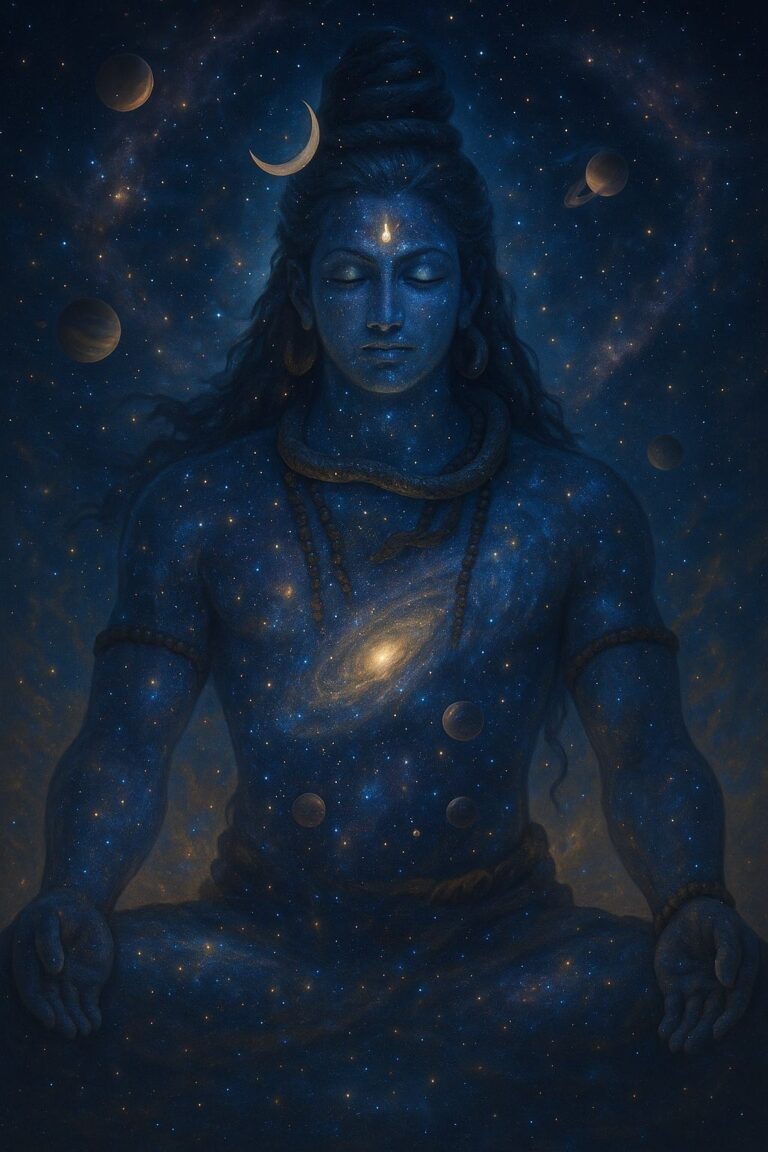
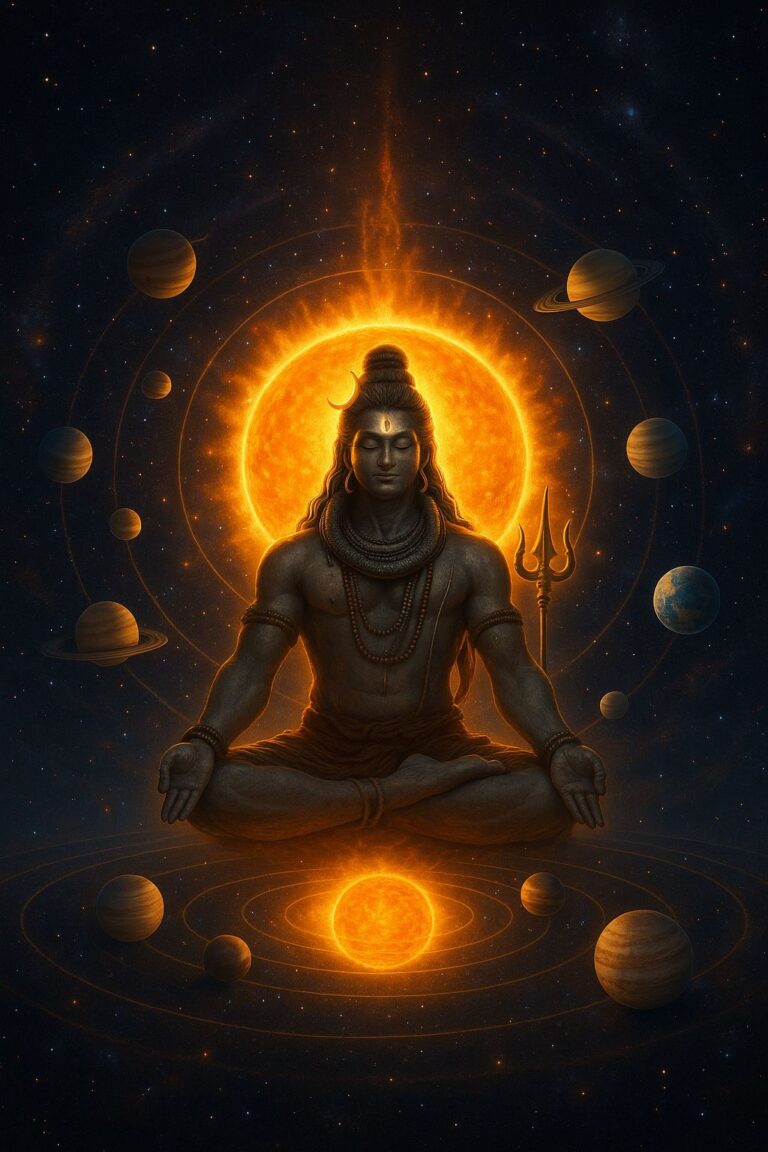
The dream of dancing in Hinduism is one of the most spiritually expressive visions a person can experience. In Hindu belief, dance is not only art or joy but also a sacred rhythm that mirrors the movement of the cosmos. When you see yourself dancing in a dream, it symbolizes alignment with divine energy, emotional freedom, or the awakening of creative and devotional expression. Each dance movement carries meaning, representing how life flows through the dreamer. Dreams of dancing may show you performing garba during Navratri, dancing in a temple, or joining a celebration. Each version reflects how your soul interacts with the universe — through motion, surrender, and divine joy.
Dance as a Spiritual Symbol in Hindu Tradition
In Hinduism, dance is far more than an art form — it is a sacred act that mirrors the divine rhythm of the universe. Every movement, gesture, and expression carries spiritual meaning. The dream of dancing in Hinduism draws directly from this foundation, where motion itself becomes meditation and rhythm becomes revelation. Dance, in its essence, is the language through which creation speaks.
From the earliest scriptures to temple rituals, dance has been viewed as a bridge between the human and the divine. The Natya Shastra, composed by the sage Bharata Muni, describes dance (nritya) as one of the highest spiritual disciplines. According to this text, the gods themselves created dance to express the emotions of life — joy, sorrow, devotion, and love — in a form that connects performer and audience to higher consciousness. This sacred vision of dance explains why a dancing dream carries deep symbolic weight in Hindu belief: it shows the dreamer’s soul resonating with universal rhythm and divine play.
The Hindu worldview perceives the cosmos as a vast dance of energy, eternally unfolding and contracting. This is most beautifully represented in the image of Shiva Nataraja — the Lord of the Dance. In this form, Shiva’s cosmic Tandava represents both destruction and creation, the simultaneous end and renewal of the universe. Each movement of his arms, each sway of his body symbolizes a spiritual truth. The raised hand shows protection, the drum represents creation, and the fire in another hand symbolizes dissolution. The ring of flames surrounding Shiva depicts the cyclical nature of existence — endless motion, endless transformation.
When you experience a dream of dancing in Hinduism, it often mirrors this same cosmic movement on a personal level. The dream may reflect the dance of your own life — the interplay of beginnings and endings, joy and sorrow, stillness and motion. It may signal that transformation is occurring within you, that one phase of life is ending to make space for renewal.
Dance is also inseparable from the divine feminine in Hindu spirituality. Goddesses such as Durga, Kali, and Parvati are often depicted dancing in expressions of strength, freedom, and grace. A dream involving a goddess dancing represents empowerment and awakening of Shakti, the primal creative force that animates all life. When you see such a vision, it may suggest that your own inner power and confidence are ready to rise. In dreams, this can manifest as moving freely, spinning joyfully, or feeling an uncontrollable rhythm urging you to express.
In devotional practice, dance becomes seva — service to the divine. Temples across India feature classical dances like Bharatanatyam, Odissi, or Kathak performed as acts of worship rather than entertainment. Dancers dedicate each step and gesture to the deity, making the body an offering of devotion. When one dreams of dancing before a god or goddess, it is interpreted as a continuation of this sacred service in the spiritual realm. The body in such dreams symbolizes the temple, and movement becomes the prayer.
On a subtler level, Hindu philosophy teaches that every living being participates in the dance of Prakriti (nature) and Purusha (consciousness). The soul moves through lifetimes in rhythm with karma, learning through joy and pain. Dreaming of dancing reflects awareness of this eternal movement. It signifies that your soul is becoming attuned to the ebb and flow of karma — that you are learning to move gracefully through change rather than resisting it.
Dance also represents balance between discipline and spontaneity. The dancer must be focused yet free, controlled yet expressive. This balance is the very essence of spiritual practice. Similarly, when dance appears in dreams, it may be urging you to find equilibrium between order and passion in your waking life. Perhaps you have been too rigid or too chaotic — the dream’s rhythm reminds you that both structure and surrender are necessary for harmony.
In sacred literature, even the gods communicate through dance. Krishna’s Rasa Lila is a divine circle dance performed with the Gopis under the moonlight. It represents the soul’s ecstatic union with God — the purest form of love and devotion. Dreaming of a similar dance or feeling yourself drawn into a divine rhythm signifies your longing for that connection. The Rasa Lila teaches that when you dance with the divine, ego dissolves, and only love remains.
The dream of dance in temple Hindu belief also draws from this sacred context. Temples are designed as microcosms of the universe — spaces where sound, light, and movement unite to create harmony. Dancing in a temple in dreams reflects that your inner world is becoming sanctified; your thoughts and emotions are being aligned with spiritual vibration. The dream becomes a symbolic form of darshan (seeing and being seen by the divine).
When you dream of dancing joyfully, it means your soul is celebrating its unity with the cosmos. When the dance is slow and reverent, it may symbolize introspection and prayer. If the dance is wild or uncontrolled, it could indicate the release of repressed emotion or divine energy that can no longer remain contained. In every case, the body in motion reflects the spirit in transformation.
Therefore, dance as a spiritual symbol in Hinduism stands for freedom, creation, and consciousness in motion. It unites opposites — stillness and movement, discipline and spontaneity, self and divine. The dream of dancing in Hinduism reveals that the universe is alive within you, that every step you take echoes the steps of the cosmic dancer. It calls you to move through life with grace, to let go of resistance, and to honor your existence as part of the divine performance of creation itself.
Connection to Festival and Ritual Contexts
The dream of dancing in Hinduism gains profound meaning when connected to festivals and rituals. In Hindu belief, dance is not separate from worship — it is one of the purest ways to express devotion. Movement becomes prayer, rhythm becomes mantra, and joy becomes offering. Dreams involving dancing during sacred times such as Navratri, Holi, or temple rituals reflect divine alignment and heightened spiritual energy. They are not random visions but reminders that your inner being is vibrating with the same rhythm that moves through the cosmos during these festivals.
Dancing and Navratri – The Celebration of Shakti
Navratri is one of the most spiritually charged festivals in Hinduism. It honors the nine forms of Goddess Durga and celebrates the triumph of divine energy (Shakti) over negativity. Each night, devotees perform garba and dandiya, dancing in circular motion around the divine symbol or lamp representing the goddess. This circular pattern reflects the eternal cycle of creation and dissolution, reminding devotees that life, like the dance, has no beginning or end.
Dreaming of dance during Navratri (dancing dream during Navratri meaning) is considered highly auspicious. It suggests that your spirit is in tune with the rhythm of Shakti. If you dream of performing garba or dandiya, it means divine feminine power is awakening within you. Such dreams bring a message of renewal, emotional healing, and creative expansion.
Interpretations of Navratri Dance Dreams:
- Dream of performing garba dance Hinduism: symbolizes joy, community, and divine blessing from Goddess Durga.
- Dream of dancing during Navratri good or bad: always positive — it means your inner energy is aligned with cosmic celebration.
- Dream of goddess Durga dancing Hindu interpretation: represents empowerment, courage, and liberation from inner fear.
- Dream of group dance festival Hinduism: signifies harmony, friendship, and successful cooperation in waking life.
If you see yourself dancing before an image or statue of Durga, this is a sacred message. It may indicate that your prayers are being answered or that the goddess’s presence surrounds you. The dream encourages participation in acts of devotion — joining a local garba, lighting diyas for nine nights, or chanting Durga mantras to honor this energy. Read more about specific interpretations of dreams during festivals.
Dance and Devotion in Temples
Dreaming of dance in temples or ritual halls holds deep spiritual meaning. Temples are seen as the meeting point of heaven and earth — places where divine vibrations are concentrated. When you dream of dancing in such a space (dream of dance in temple Hindu belief), it symbolizes surrender, purity, and readiness for higher awareness. It means that your body and mind are aligning with devotion, and your subconscious is offering movement as prayer.
Different types of temple dance dreams may carry distinct interpretations:
- Dancing alone in temple: symbolizes personal connection to the deity and your readiness to serve through devotion.
- Dancing with others: represents community worship and unity of intention.
- Dancing with god in dream Hindu meaning: signifies the merging of self and divine — a direct sign of spiritual grace.
Many classical Indian dances originated as temple rituals, not performances. Dancers in ancient temples were called devadasis, meaning “servants of God.” Their art was an offering, not entertainment. Dreaming of performing such a dance reflects that same vibration of service and reverence. It can also appear when your spirit seeks deeper connection with sacred art or music.
Dance in Holi, Janmashtami, and Other Festivals
While Navratri represents power and feminine energy, other festivals also hold symbolic ties to dance.
- Holi: the festival of colors and joy often includes music and spontaneous dancing. Dreaming of such a dance may signify release of emotional tension and the return of laughter after difficulty.
- Janmashtami: celebrating Lord Krishna’s birth, is connected to his divine Rasa Lila — the circle dance of love with the Gopis. A dream of dancing with Krishna or in a group may reflect your longing for spiritual love and harmony.
- Shivaratri: linked with Shiva’s cosmic Tandava. A dream of Shiva dancing Hindu meaning points to transformation and destruction of inner barriers. It can appear before major life changes or periods of renewal.
Each of these festivals embodies different aspects of rhythm and balance. Dream of dancing in Hinduism during any of them means you are spiritually synchronized with divine movement.
Dreaming of Ritual Dance and Energy Release
In Hindu rituals, dance often serves to release energy or awaken spiritual power. During temple processions or kirtans, devotees may dance ecstatically to honor deities and express gratitude. Dreaming of such a scene means your own energy is rising and seeking expression. It might be time to release emotional tension through physical activity, music, or creative work.
If you dream of participating in or watching a ritual dance, it can indicate:
- Renewal of faith and devotion.
- Cleansing of emotional heaviness through movement.
- Readiness to celebrate life’s rhythm after a stagnant period.
- Desire to connect with spiritual community or ancestral roots.
Such dreams are invitations to embody joy consciously. Even a small act like swaying to devotional music or performing a short aarti while moving your hands rhythmically fulfills the dream’s message.
Ritual Meaning of Dream Dance Symbols
Dreaming of dance in ritual contexts can also have practical ritual interpretations depending on what you see:
- Dream of joyful dancing Hindu belief: foretells prosperity and emotional balance.
- Dream of dancing in front of deity Hindu meaning: an auspicious sign that your devotion is being acknowledged.
- Dream of being unable to dance Hindu astrology meaning: a call to unblock creative or emotional energy.
- Dream of dancing with god in temple: a reminder to maintain humility and gratitude for divine blessings.
When such dreams appear, simple rituals can help you align with their vibration. Light a lamp at dawn, play devotional music, or recite mantras related to rhythm and flow such as “Om Namah Shivaya” or “Ya Devi Sarva Bhuteshu Nritya Rupena Samsthita Namah” (“Salutations to the Goddess who abides in all beings as dance”).
How to Honor a Dancing Dream Spiritually
After experiencing a dream of dancing connected to festival or ritual imagery, you can strengthen its blessings through small yet powerful actions:
- Participate in community celebrations — join local garba or kirtan gatherings.
- Offer a devotional dance or song before a deity, symbolizing gratitude.
- Clean your sacred space and decorate it with flowers and lights to invite joy.
- Meditate on the image of Shiva Nataraja or Goddess Durga, imagining your body as part of their divine rhythm.
- Express emotions through art or movement, allowing energy to flow freely.
Dreaming of dance in festivals or temples is a reminder that your soul and the universe share the same pulse. Whether it is the dance of Durga’s victory, Krishna’s play, or Shiva’s transformation, your dream reveals that divine energy moves within you. It encourages you to live more rhythmically — to celebrate, create, and express devotion not only during rituals but in the dance of everyday life itself.
Significance of Dance in Hindu Myth and Ritual
Dance in Hinduism is not only an expression of beauty or emotion — it is a sacred language that connects human beings with divine consciousness. Every movement in dance is believed to carry a vibration of spiritual energy, echoing the cosmic rhythm that sustains life itself. When you have a dream of dancing in Hinduism, it draws upon this profound spiritual foundation, revealing how movement, myth, and ritual intertwine in Hindu thought.
Shiva Nataraja – The Cosmic Dance of Creation and Destruction
No symbol expresses the spiritual meaning of dance more powerfully than Lord Shiva as Nataraja, the Lord of the Dance. In this form, Shiva performs the Tandava, the divine dance that represents the eternal cycle of creation, preservation, and dissolution. His movements keep the universe in motion, balancing destruction and renewal in perfect harmony. The dance of Shiva embodies five cosmic acts — creation (Srishti), preservation (Sthiti), destruction (Samhara), concealment (Tirobhava), and grace (Anugraha).
A dream of Shiva dancing Hindu meaning reflects transformation. It may appear during moments of change, signaling the end of an old phase and the birth of a new one. Just as Shiva’s dance burns away illusion and ignorance, the dream reminds you to release what no longer serves your spiritual growth. Seeing the cosmic dancer in a dream also indicates awakening of higher consciousness — a realization that life’s chaos has purpose and rhythm.
Shiva’s raised hand in blessing symbolizes protection; the drum he holds signifies the heartbeat of creation, while the fire he carries dissolves limitations. When this imagery surfaces in dreams, it often points to spiritual purification or an invitation to surrender control and trust divine timing.
The Dance of Goddess Durga and Kali – Power and Liberation
If Shiva’s Tandava symbolizes transformation, the dance of Goddess Durga or Kali represents liberation and victory of divine power over darkness. In Hindu stories, the goddess often dances after triumphing over demonic forces, expressing both fierce energy and divine joy.
A dream of goddess Durga dancing Hindu interpretation reveals awakening of Shakti — the creative, protective, and transformative feminine energy. This dream may come when you are reclaiming your personal power or breaking free from fear. The dance signifies courage, renewal, and the movement of inner strength. If you see Kali dancing, it represents destruction of ego, old attachments, and limitations that hold back your spiritual progress.
Dreams showing goddesses in dance often arise during times of emotional or energetic shifts. They signal that dormant strength within you is awakening. From a spiritual viewpoint, such dreams are not to be feared; they are invitations to trust your power and embrace transformation, just as the goddess embodies freedom through movement.
Krishna’s Rasa Lila – The Dance of Divine Love
While Shiva and Durga express transformation and strength, Lord Krishna symbolizes joy and love through dance. His Rasa Lila — the divine circle dance with the Gopis under the moonlight — represents the soul’s union with the divine. In this dance, Krishna multiplies himself so that every devotee feels his presence individually. Spiritually, this signifies that divine love is infinite, reaching every heart at once.
Dreaming of dancing with Krishna or witnessing such a divine dance expresses bliss, devotion, and emotional fulfillment. It is considered one of the most auspicious dream experiences in Hindu belief. Dancing with God in dream Hindu meaning shows that your soul is ready for a deeper relationship with the divine — not one of duty, but of joy and surrender.
If you dream of playing, singing, or moving joyfully in Krishna’s presence, it means you are being invited to live more from the heart. This dream encourages you to release overthinking, forgive easily, and find happiness in spiritual simplicity. The Rasa Lila reminds us that devotion need not be solemn — it can be playful, alive, and filled with love.
Sacred Temple Dances – Worship in Motion
In Hindu temples, dance has always been a form of direct worship. Ancient traditions describe the practice of Nritya Seva — offering dance as service to the gods. Dancers known as devadasis were once dedicated to temples, performing for the deities rather than human audiences. Each movement, gesture, and expression was symbolic, designed to communicate divine stories through physical form.
When you dream of dance in a temple (dream of dance in temple Hindu belief), it signifies purification and readiness for spiritual service. Such dreams often appear to devotees who are seeking closer connection with the divine or rediscovering purpose in life. The temple setting reflects a sanctified inner space — your consciousness becoming a stage for divine expression.
Dreams of performing classical forms like Bharatanatyam or Odissi carry meanings tied to discipline, balance, and the blending of devotion with art. They remind you that your body, too, can be a vessel of worship — that physical movement and spiritual growth are not separate.
Festival Dance and the Cosmic Cycle
Dance plays a vital role in nearly every Hindu festival, symbolizing joy, devotion, and unity. During Navratri, the circular garba dance reflects the rotation of the cosmos around the goddess. At Holi, people dance freely to celebrate love and equality, symbolizing the release of inhibitions. In each festival, movement represents the cyclical flow of life — darkness turning to light, fear transforming into freedom.
Dreaming of participating in such dances (dream of garba Hindu meaning or dream of group dance festival Hinduism) suggests that you are energetically aligned with community, faith, and universal rhythm. These dreams often arrive before positive transitions — new relationships, creativity, or emotional breakthroughs.
Ritual Dance as Energy Transformation
In ritual contexts, dance is also used to transform and elevate energy. In certain temple ceremonies, priests or devotees may perform rhythmic steps or gestures to invoke divine presence. The repetitive motion creates a meditative state, helping participants merge personal consciousness with the sacred.
When you see such movement in your dreams, it represents inner energy rising toward spiritual awakening. The dance is not random — it is your soul participating in a ritual of renewal. Dreaming of dance in ritual settings indicates that you are subconsciously connecting to ancient wisdom and collective devotion stored in cultural memory.
Symbolic Layers of Dance in Dreams
Dance in Hindu ritual and mythology reflects three core spiritual truths:
- Life is movement: Everything in creation flows in cycles — birth, growth, death, and rebirth. The dream of dance reveals your awareness of this continuity.
- The body is a sacred instrument: In both waking life and dreams, your body becomes a medium through which divine energy expresses itself.
- Joy is devotion: In Hinduism, joy is not separate from worship. When you move joyfully, you are already offering gratitude to the divine.
Thus, the significance of dance in Hindu myth and ritual lies in its ability to unite opposites — joy and discipline, movement and stillness, the human and the divine. Dreaming of dance connects you to this eternal truth. Whether you see yourself performing in a temple, dancing with a god, or moving in celebration, the meaning is always spiritual alignment. It is a reminder that creation itself is a divine choreography — and through every step you take, you are already part of that sacred dance.
General Interpretation of Dancing Dreams
The dream of dancing in Hinduism is one of the most vibrant and spiritually rich dream symbols, reflecting the universal rhythm that connects body, mind, and soul. From a Hindu perspective, dancing dreams are never merely about entertainment or physical movement. They mirror the flow of divine energy — prana — through your inner world, representing expression, balance, transformation, and connection with the sacred.
Just as music brings life to stillness, the dream of dance brings awareness to parts of yourself that are awakening or seeking harmony. It may appear during times of emotional release, creative growth, or spiritual renewal. The movement you witness in the dream — graceful, chaotic, slow, or ecstatic — mirrors your current relationship with energy, faith, and self-expression.
Core Symbolism of Dancing Dreams in Hindu Belief
In Hindu philosophy, dance (nritya) is the body’s way of expressing the soul’s rhythm. Dreaming of dance signifies that your inner world is in motion, working toward balance and harmony. Below are the primary layers of meaning associated with such dreams:
- Expression of Inner Joy: Dancing is a celebration of life and divine connection. When you dream of dancing joyfully, it shows that your spirit is aligned with happiness, gratitude, and freedom. This is considered one of the most auspicious dream signs in Hindu belief.
- Release of Suppressed Energy: Sometimes, dancing in dreams symbolizes emotional or creative energy that has been confined for too long. The dream allows that energy to move, bringing relief and renewal. It often appears after long periods of stress, silence, or suppression.
- Union of Body and Spirit: In Hinduism, the body is viewed as a temple of divine energy. When you dance in dreams, it symbolizes your spirit uniting with the divine rhythm. This is especially true if the dream occurs in a sacred setting or during festival periods like Navratri.
- Movement Through Karma: Life itself is seen as a dance of karma — each action creating movement and consequence. Dreaming of dance suggests that your soul is actively navigating karmic transitions. If the dance is smooth, it reflects harmony; if it’s chaotic, you may be processing unresolved lessons.
- Renewal and Transformation: Every dance is a cycle of movement and stillness, echoing Shiva’s Tandava and the eternal rhythm of creation. Dancing in dreams may symbolize spiritual transformation, rebirth, or the release of outdated habits.
The Emotional Layer – What the Dance Reveals About You
The emotion you feel in the dream determines much of its meaning. In Hindu astrology, emotions in dreams are linked to the Moon, which governs the mind and inner world.
- Joyful Dancing: Symbolizes clarity, gratitude, and divine connection. It reflects harmony in your emotional and spiritual state.
- Restless or Chaotic Dancing: Indicates emotional overload or confusion. The energy within you seeks grounding and focus.
- Fearful or Forced Dancing: Suggests pressure or self-judgment — perhaps you feel obligated to please others or perform in life.
- Slow, Peaceful Dancing: Represents meditation and balance. Your mind is centered, and your life is moving at a divine pace.
- Ecstatic or Uncontrollable Dancing: Reflects release of repressed emotion or awakening of Kundalini energy, the spiritual power at the base of the spine.
If you wake from such a dream feeling uplifted, light, or full of emotion, it means the energy of your soul is realigning with higher vibration.
Spiritual Meaning – Dance as a Form of Divine Communication
Spiritually, the dream of dancing in Hinduism is the soul’s way of communicating through motion what cannot be said in words. It represents the merging of the individual consciousness (Atman) with the cosmic consciousness (Paramatma).
According to Upanishadic philosophy, all beings are part of one eternal rhythm — the cosmic dance of Shiva Nataraja. When you dream of dancing, your soul is synchronizing with that eternal motion, aligning your life to divine timing. It can be a signal from your higher self that you are entering a phase of awakening, creativity, or purpose.
If the dream occurs in a setting with deities or temples, it may also represent blessings. The dance in such cases becomes seva — service through joy. Dreaming of dancing before gods or goddesses (dancing with god in dream Hindu meaning) symbolizes that your devotion and vibration match the divine frequency. It’s as if the universe is acknowledging your spiritual progress.
Psychological Meaning – Harmony Between Emotion and Action
On a psychological level, dancing dreams represent the mind’s need to express or restore equilibrium. Hindu psychology views human life as the interaction between Sattva (clarity), Rajas (activity), and Tamas (inertia). Dreaming of dance indicates an active Rajas energy seeking balance with Sattva.
- If the dance is graceful and joyful: it shows Sattva dominating — you are living in alignment with truth and harmony.
- If it’s erratic or confusing: Rajas is overpowering — the mind is busy, and spiritual calm is needed.
- If the dance stops abruptly or feels blocked: Tamas is active — representing stagnation, fear, or fatigue.
By recognizing this balance, you can interpret your dream as a reflection of your inner state and act accordingly through rest, prayer, or activity.
Karmic and Astrological Perspective
In Hindu astrology (Jyotish), dancing dreams are influenced by the energies of Venus (Shukra) and the Moon (Chandra). Venus represents art, beauty, and love, while the Moon symbolizes emotion and intuition. Dreaming of dance signifies the harmony or imbalance between these two forces.
- Strong Venus energy: The dream indicates artistic awakening, creativity, and emotional fulfillment.
- Strong Moon influence: The dream reveals intuitive growth, emotional healing, or psychic sensitivity.
- If both are afflicted: The dream may show confusion, romantic detachment, or longing for emotional freedom.
Astrologers often advise performing devotional acts such as listening to music, offering flowers, or dancing in temple festivals to strengthen Venus and calm the Moon.
Symbolic Meanings of Common Dance Elements in Dreams
When analyzing the dream of dancing in Hinduism, notice the details — setting, music, companions, and your own movement. Each element adds depth to interpretation:
- Dance Floor or Open Space: Freedom, confidence, readiness for new beginnings.
- Temple or Ritual Hall: Divine acknowledgment, spiritual elevation.
- Music or Drums: Emotional expression, divine call to action.
- Lights or Fire Around You: Enlightenment, inspiration, removal of negativity.
- Audience Watching: Recognition or need for validation in waking life.
- Barefoot Dancing: Humility, grounding, natural connection with Earth.
Every aspect reflects a part of your psyche or soul journey. A dream of dance in temple Hindu belief, for instance, may point to readiness for initiation or deeper devotion, while dancing outdoors under moonlight mirrors emotional freedom and intuitive power.
Positive Outcomes of Dancing Dreams
In Hindu tradition, dancing dreams are rarely negative. Even when they involve struggle, they signify growth. Such dreams can bring:
- Emotional cleansing: Release of stored emotions through symbolic movement.
- Inspiration and creativity: Awakening of artistic or spiritual expression.
- Reconnection with the body: Awareness of the body as a sacred vessel of the soul.
- Guidance from deities: Especially if the dream involves divine presence or ritual.
- Renewal of joy: Return of enthusiasm after hardship or inner stagnation.
Spiritual Message of the Dream
Ultimately, the dream of dancing in Hinduism carries one message — life is movement, and movement is divine. Whether the dance is structured or spontaneous, graceful or wild, it reflects the rhythm of your inner world echoing the rhythm of the cosmos. You are being invited to embrace change, express your truth, and participate in life’s sacred choreography.
When you wake from such a dream, consider it a gentle nudge from the universe to live more fully — to bring rhythm into your routines, grace into your challenges, and joy into your journey. For in Hindu understanding, to dance is not merely to move the body; it is to move with creation itself, to remember that your spirit, too, is a dancer in the eternal cosmic play.
Dream Scenarios and Their Meanings
The dream of dancing in Hinduism can take many forms, each carrying its own layer of spiritual, emotional, and karmic meaning. The context — where the dance happens, who is involved, and what emotions are present — all influence the interpretation. Hindu dream philosophy teaches that such visions are reflections of your inner state and your relationship with divine energy. Each dance represents a different rhythm of life, showing whether your energy is flowing freely, restricted, or transforming.
Below are the most common dream scenarios and their detailed meanings according to Hindu belief, ritual understanding, and psychological symbolism.
1. Dream of Dancing Alone
Dancing alone in a dream signifies self-expression and personal harmony. It represents your connection with your inner rhythm — the dance of your own soul independent of outside influence. In Hindu symbolism, this dream shows that Atman (the individual self) is aligning with divine consciousness through movement.
Spiritually, it is a very positive sign. You may be entering a phase of confidence, self-acceptance, and creative awakening. It reflects emotional balance and freedom from social pressure. The dream of dancing alone in Hindu belief is often seen as an expression of liberation — a moment when your higher self rejoices without fear of judgment.
If the environment in the dream of dancing in Hinduism is peaceful, it indicates that you are centered and emotionally grounded. If the dance feels awkward or restrained, it suggests that your true self seeks more freedom and creative space. The message is to listen to your heart and allow yourself to move — literally and metaphorically — toward joy.
2. Dream of Dancing in a Group or Festival
When you dream of dancing with others — whether in a festival, community gathering, or temple courtyard — it symbolizes unity, belonging, and shared purpose. This vision connects with the concept of Sangha (spiritual community) in Hindu thought.
A dancing dream during Navratri meaning often reflects harmony with divine feminine energy (Shakti) and participation in collective celebration. Seeing yourself performing garba or dandiya in the dream shows emotional and spiritual openness. It also indicates that your actions are aligned with the greater rhythm of society or nature.
Spiritually, this dream points to balance between individuality and togetherness. You are in sync with people or forces around you. The group dance may also signify karmic cooperation — souls moving together in harmony to fulfill shared destiny.
If the mood of the dream is joyful, it predicts prosperity, support, and positive collaboration in waking life. If it feels chaotic or disconnected, it may reflect social pressure or the need to find your authentic rhythm within collective expectations.
3. Dream of Dancing with God or Goddess
This is one of the most sacred and auspicious dream scenarios in Hindu belief. Dancing with a deity — Shiva, Krishna, Durga, or another form of the divine — symbolizes spiritual union. It means your soul is resonating with divine frequency and that the boundaries between human and divine are dissolving.
- Dancing with Shiva: Reflects transformation, the destruction of old patterns, and rebirth. You are aligning with the rhythm of Tandava — the cosmic dance of change. This dream often comes when you are ready to release attachments or embrace spiritual growth.
- Dancing with Krishna: Represents devotion, joy, and unconditional love. It may relate to the Rasa Lila, where the soul experiences divine bliss and connection.
- Dancing with Goddess Durga or Kali: Symbolizes empowerment, courage, and the awakening of Shakti energy. It suggests that your inner power is active, guiding you toward fearlessness.
The dream of dancing with god in Hindu meaning is a direct reflection of divine blessing. It shows that your prayers or devotional efforts are being recognized. You are being called to trust divine flow, to let go of self-doubt, and to dance — both literally and spiritually — with faith.
4. Dream of Garba or Navratri Dance
Dreaming of garba or dancing during Navratri is particularly significant in Hindu belief. Navratri celebrates the power of Goddess Durga, and garba symbolizes the cyclical rhythm of creation and devotion.
A dream of performing garba dance Hinduism indicates joy, emotional healing, and renewal of spiritual connection. Dancing in circular motion represents the universe revolving around divine energy. This dream also points to participation in sacred celebration — it may appear during or before auspicious times in life such as new beginnings, marriages, or achievements.
If you dream of many lamps or colors around you while dancing garba, it signifies divine protection and blessings. A dancing dream during Navratri meaning also reflects internal balance — the masculine and feminine energies within you dancing together in harmony.
This dream invites you to celebrate more openly in your waking life — to dance, express gratitude, or participate in collective prayer.
5. Dream of Dance in Temple or Ritual Hall
The dream of dance in temple Hindu belief carries deep spiritual meaning. Temples are symbols of purity and the meeting point between the mortal and divine. Dancing there means you are offering your energy directly to the divine source.
If you are dancing reverently before a deity, it shows devotion, surrender, and spiritual awakening. The dream can also symbolize readiness for initiation — a stage in your spiritual journey where your consciousness rises to higher understanding.
If others are dancing with you in the temple, it may represent ancestral blessings or guidance from spiritual beings. The dream is a message that your efforts are being noticed by higher forces.
Emotionally, dancing in a temple reflects clarity and inner peace. It means you are aligning your body, mind, and spirit in sacred rhythm. You may also receive inspiration or intuitive messages after such a dream — especially if the temple is brightly lit or filled with sound and music.
6. Dream of Chaotic, Forced, or Uncontrolled Dance
Not all dance dreams are graceful. If your movements feel chaotic, erratic, or forced, this points to inner turbulence. The energy of Rajas — restlessness and overactivity — may be dominating your state of mind.
In Hindu astrology, such a dream could appear when your Moon (mind) or Venus (emotion) energies are imbalanced. The dance represents emotional overflow — feelings or situations you are struggling to control.
This dream is not negative, but it’s a sign to slow down and ground yourself. Practicing stillness, meditation, or prayer can help bring balance. You may also consider lighting a lamp or offering flowers to Lord Ganesha to restore calm and focus.
If the dream involves loud noise, erratic music, or discomfort, it can indicate that external influences are affecting your inner peace. Spiritually, it reminds you to reclaim control of your rhythm — to dance to your own truth instead of others’ expectations.
7. Dream of Being Unable to Dance
A dream where you want to dance but cannot move, stumble, or feel restrained carries symbolic meaning related to fear, inhibition, or blocked energy. In Hindu philosophy, this is often linked to Tamas — inertia or resistance to change.
The dream of being unable to dance Hindu astrology meaning may indicate suppressed creativity or emotional fatigue. It could also reflect doubt — perhaps you feel disconnected from joy or hesitant to express yourself freely.
Spiritually, this dream calls you to awaken movement within — not just physical but emotional and mental. You may need to release guilt, anxiety, or perfectionism to allow divine energy to flow again. Engaging in music, art, or prayer can help reopen your creative and spiritual channels.
8. Dream of Joyful or Ceremonial Dancing
A dream of joyful dancing Hindu belief is one of the most auspicious visions. It symbolizes harmony, contentment, and alignment with divine blessings. The joy in such dreams reflects peace in both the physical and spiritual planes.
If the dance feels ceremonial — such as part of a wedding, puja, or celebration — it may indicate that new happiness is entering your life. It can also signify completion of karmic lessons or the arrival of auspicious events.
In spiritual terms, this dream shows that your heart is open and your vibration is high. You are in a state of gratitude and expansion, allowing abundance to flow toward you naturally.
If you are surrounded by people or deities in the dream, it reinforces the idea of community blessing and divine support.
9. Dream of Dancing in Darkness or Under Moonlight
Dancing in the dark or under the moon carries mystical symbolism. The moon in Hindu astrology represents intuition, emotion, and the mind. Dreaming of such a scene means your subconscious is exploring deep emotions and intuition.
Dancing in darkness does not symbolize fear but discovery — it’s your soul moving through the unknown, learning to trust divine guidance even when the path is not visible. Dancing under moonlight, on the other hand, signifies emotional healing, creativity, and feminine energy. It’s connected to the goddess and lunar deities, showing spiritual intuition awakening.
10. Dream of Watching Others Dance
Sometimes, you may not dance yourself but observe others dancing. This dream represents observation, reflection, and readiness for participation. It means your consciousness is processing inspiration or understanding energy flow before joining it fully.
If the dancers are deities or devotees, it indicates blessings and encouragement. You are being invited to join in divine rhythm soon — perhaps through prayer, creativity, or joyful engagement with life.
If the dream feels isolating, it might suggest that you long for more connection or spontaneity. The message is to step forward and let yourself be part of life’s dance rather than only an observer.
Each of these dancing dreams holds a mirror to your current inner world. Whether alone, in a temple, with the goddess, or surrounded by celebration, every form of dance represents the movement of your consciousness through transformation. The dream of dancing in Hinduism teaches that life itself is a sacred performance — and when your spirit moves with devotion, even your dreams become an act of worship.
Summary Table – Dream Scenarios and Their Meanings in Hindu Belief
Different dream scenarios provide unique insight.
| Dream Scenario | Meaning in Hindu Belief | Spiritual Message | Suggested Action or Ritual |
|---|---|---|---|
| Dancing Alone | Personal joy, independence, self-connection | You are aligned with your true rhythm and inner peace | Continue creative or devotional activities; meditate on heart chakra |
| Dancing in a Group or Festival | Harmony, unity, community energy | Balance between individuality and collective purpose | Join communal prayers, kirtans, or participate in cultural celebrations |
| Dancing with God or Goddess | Divine connection, spiritual awakening | You are merging with divine consciousness and receiving blessings | Offer devotional dance or bhajan in temple; light a lamp for the deity seen in the dream |
| Dream of Garba or Navratri Dance | Devotion to Shakti, renewal, celebration | Alignment with feminine energy and joyful transformation | Participate in garba, chant Durga mantras, or light diyas for nine nights |
| Dance in Temple or Ritual Hall | Worship, sacred offering, initiation | Readiness for higher awareness or spiritual elevation | Clean your altar, light incense, and offer a small symbolic dance or prayer |
| Chaotic or Uncontrolled Dance | Emotional overflow, restlessness | Need for grounding and mental calm | Practice meditation, slow breathing, or pray to Lord Ganesha for balance |
| Being Unable to Dance | Fear, creative block, or self-doubt | Suppressed energy or hesitation to express | Engage in music, gentle movement, or creative rituals to restore flow |
| Joyful or Ceremonial Dance | Happiness, fulfillment, and divine grace | You are in harmony with the universe and ready for blessings | Express gratitude through prayer, music, or acts of kindness |
| Dancing in Darkness or Under Moonlight | Emotional healing, intuition, feminine energy | Trusting divine guidance even in uncertainty | Spend time in reflection or moon meditation; honor Goddess energy |
| Watching Others Dance | Observation, inspiration, preparation | You are being invited to join life’s rhythm consciously | Take active steps toward joy and participation; express through movement or art |
Each scenario has meaning beyond its surface. A dream of dance in temple Hindu belief reveals a soul ready for worship. Dancing dream during Navratri meaning shows celebration of divine power. Dancing with god in dream Hindu interpretation signifies that the divine is leading your movements toward awakening.
Ritual Meaning and What to Do After Such a Dream
In Hindu belief, dreams that involve movement, rhythm, or dance are not just symbolic experiences — they are subtle forms of darshan, a glimpse into how divine energy flows through your life. The dream of dancing in Hinduism is often seen as a call to align body, mind, and spirit with the sacred rhythm of the universe. Just as devotees express devotion through aarti or chanting, dance dreams invite you to express through movement, gratitude, and conscious ritual.
Acting upon these dreams brings their energy from the subconscious into waking life. It helps you honor the vibration that appeared in the dream and integrate it into your spiritual routine. The following guidance combines traditional ritual practice with introspective and astrological wisdom.
1. Begin the Day with Awareness and Gratitude
When you wake after a dancing dream, avoid dismissing it as mere imagination. Instead, sit quietly and recall every detail — the setting, the deity (if any), the feeling in your heart. Write it down or mentally express gratitude for the experience. In Hindu philosophy, remembering the divine at dawn strengthens the sattva (clarity) quality of the mind.
You may say silently:
“I thank the Divine for revealing joy and rhythm within me. May this day flow with balance and grace.”
This mindful acknowledgment transforms the dream into a conscious blessing.
2. Light a Lamp or Diya as a Symbol of Movement and Awareness
Lighting a lamp after a dancing dream signifies awakening of divine energy. Just as light symbolizes consciousness, the flame represents the spark of Shakti — the same energy that moves through every dance. Place a small ghee lamp before your home altar or a picture of a deity associated with the dream.
- If you saw Goddess Durga or dancing during Navratri, light a red or yellow diya.
- If you saw Lord Shiva dancing, offer a white candle or lamp with sesame oil.
- If the dream felt calm and peaceful, light the lamp near water or on your balcony to honor the moon’s reflective energy.
While lighting the lamp, repeat “Om Jyotirgamaya” (Lead me from darkness to light). This simple act grounds the dream’s energy into daily life.
3. Offer Devotional Movement or Dance (Nritya Seva)
In Hinduism, offering movement to the divine is an act of seva — sacred service. After dreaming of dance, perform a small devotional movement or dance consciously. You don’t need formal steps or music; a few slow gestures, hand movements, or even a gentle sway done with mindfulness are enough.
You can visualize yourself dancing before the deity from your dream, or simply move in gratitude while listening to soft bhajans. This act mirrors your dream and completes the spiritual cycle of intention and manifestation.
If you feel shy or prefer privacy, you can perform Nritya Seva in meditation — imagine yourself moving gracefully before divine light. This internal dance purifies energy channels and keeps the flow of prana harmonious.
4. Perform Chanting or Mantras that Resonate with Rhythm and Joy
Sound and movement are two sides of the same divine expression. After a dancing dream, chanting mantras amplifies its positive vibration. Choose mantras that connect with rhythm and expansion:
- For divine joy: Om Namo Bhagavate Vasudevaya (Krishna mantra for bliss and love)
- For power and protection: Om Dum Durgayei Namah (Durga mantra for strength)
- For balance and transformation: Om Namah Shivaya (Shiva mantra for inner stillness and motion)
- For creative energy: Om Hreem Shakti Namah
Chant these mantras with gentle rhythmic breath, visualizing your inner being swaying with every syllable. This integrates the movement of the dream with the vibration of sound, harmonizing both mind and spirit.
5. Clean and Re-Energize Your Sacred Space
Just as the dance dream represents motion, clearing stagnant energy in your physical environment restores alignment. Clean your prayer space or room, replace old incense or flowers, and decorate the area with symbols of joy — marigold petals, bright fabrics, or diya lamps.
In Vastu Shastra, cleanliness and order invite divine flow. When your environment reflects harmony, your mind and soul follow. This small act of purification honors the renewal symbolized by your dream.
6. Participate in Devotional or Community Celebrations
If your dream involved group dancing, garba, or festival energy, you can deepen its blessing by participating in real-life devotional gatherings. Join a temple kirtan, attend a cultural celebration, or dance in a garba circle during Navratri. The shared movement replicates the same vibration as your dream — collective joy, gratitude, and unity.
If such events are not nearby, simply play traditional music at home and move freely for a few minutes while imagining yourself among devotees. Even symbolic participation has spiritual value because intention carries energy.
7. Reflect Through Journaling and Self-Inquiry
After you honor the dream externally through rituals, turn inward to interpret its deeper message. Ask yourself:
- What emotion did I feel during the dance — joy, fear, release, or surrender?
- What part of my life currently feels in rhythm, and what feels out of step?
- Which divine energy (Shiva, Krishna, Durga, or another) do I associate with this dream?
- Is the dream encouraging me to express, to heal, or to celebrate?
Recording your reflections transforms a symbolic dream into practical wisdom. Over time, you may notice patterns — dreams of dancing often coincide with emotional breakthroughs, creative surges, or important spiritual transitions.
8. Make an Offering to the Deity or Element Associated with the Dream
If your dream featured a specific deity, festival, or natural element (such as fire, water, or moonlight), make an offering related to it. Examples include:
- For Shiva: Offer milk, sandalwood paste, or bilva leaves at a local shrine.
- For Durga or Parvati: Offer red flowers, sweets, or recite Durga Chalisa.
- For Krishna: Offer tulsi leaves, butter, or light-hearted devotional music.
- For feminine energy (Shakti dreams): Offer nine lamps or candles over nine days.
This act connects your personal experience to the wider ritual ecosystem of Hindu worship, grounding dream energy in tradition.
9. Balance Physical and Emotional Energy
A dancing dream may signal rising energy (Kundalini). To balance it, integrate grounding practices: eat wholesome food, spend time in nature, or meditate at sunset. Avoid overexertion or emotional intensity immediately after such dreams, as they open energetic channels.
If you felt restless or chaotic in the dream, calm your system through gentle yoga poses, breathing exercises, or walking meditation. The goal is to stabilize motion with mindfulness, creating balance between body and spirit.
10. Interpret the Dream’s Planetary Energy (Astrological Approach)
In Jyotish (Hindu astrology), dancing dreams often relate to Venus and the Moon. These planets govern emotion, art, and spiritual expression. To honor their influence:
- Strengthen Venus by appreciating beauty, wearing light colors, listening to devotional music, or practicing kindness.
- Soothe Moon energy by meditating under moonlight, drinking milk before bed, or chanting Om Chandraya Namah.
By aligning with these planetary vibrations, you reinforce the harmony represented in your dream.
11. Express Joy Consciously in Daily Life
Finally, the most important ritual is to live the dance you dreamed of. Hindu spirituality emphasizes Lila — the divine play of existence. The dream of dancing in Hinduism is an invitation to embody joy, creativity, and surrender in your everyday routine. Smile more, move freely, listen to music, and engage with life as a sacred performance.
Every time you allow yourself to express happiness or compassion, you are fulfilling the dream’s spiritual purpose. The divine does not only reside in temples or rituals — it exists wherever you move with awareness and love.
12. When to Repeat the Ritual
If dancing dreams appear often, consider establishing a small weekly ritual. On Fridays (a day of Venus) or Mondays (a day of Shiva and the Moon), light a diya, chant a mantra, and meditate for a few minutes on the image of yourself dancing freely. This repetition keeps your inner rhythm aligned with divine energy.
The ritual meaning of these dreams ultimately teaches that spirituality is not static — it is alive, moving, and expressive. By performing these actions after such a dream, you bridge the world of sleep and wakefulness, transforming a symbolic vision into embodied devotion. In Hindu understanding, every dance is an offering, and every step taken in awareness becomes worship.
Psychological and Spiritual Insights
The dream of dancing in Hinduism holds meaning that operates on multiple levels — emotional, psychological, and spiritual. It is a conversation between your conscious self and your soul, between the human need for expression and the divine rhythm guiding the universe. In Hindu philosophy, dreams are not accidental mental images but symbolic reflections of energy, karma, and inner movement. When dance appears in dreams, it reveals how your emotions, creativity, and spiritual awareness are flowing within the cosmic order.
Dance as an Expression of the Inner Mind
From a psychological perspective, dance in dreams represents the release of emotion and the communication of feelings that may be difficult to express through words. Just as classical Indian dance conveys stories through gesture and rhythm, your dream dance expresses a story about your current inner state. It might be a story of joy, liberation, longing, or transformation.
If the dance feels joyful, your subconscious is expressing contentment and confidence. You feel safe enough to move freely, to be seen, to celebrate. If the movement feels chaotic, forced, or confusing, your mind may be trying to process tension, restlessness, or unhealed emotion. In this sense, a dancing dream is your psyche’s way of restoring balance through symbolic motion — turning inner chaos into rhythm.
In Hindu psychology, such experiences are linked to the movement of prana (life force). When prana flows smoothly, the mind feels harmony and creativity. When it becomes blocked, frustration or fatigue arise. Dreaming of dance shows that your prana is becoming active, seeking freedom and realignment.
The Spiritual Dimension – Dance as the Soul’s Language
Spiritually, dance in Hinduism is not only physical motion — it is the movement of divine consciousness itself. The entire universe is described as the Tandava or Lila, the eternal dance of creation and dissolution. When you dream of dancing, your soul is remembering this truth: that you, too, are part of this cosmic rhythm.
The Upanishads describe the world as vibration (spanda). Every atom, every thought, and every heartbeat is part of this great movement. Dreaming of dance means your inner being is tuning into that universal frequency. It is an invitation to live in harmony with divine flow rather than resist life’s cycles.
If you saw a deity dancing in your dream — such as Shiva as Nataraja or Goddess Durga — it reflects awakening to the cosmic rhythm within. The divine is communicating through symbols, reminding you that destruction and creation, joy and sorrow, are not opposites but parts of one eternal dance. This realization can help you find acceptance even during times of uncertainty.
Balance Between Control and Surrender
Psychologically, dance requires both structure and spontaneity. Too much control stiffens the body; too little control leads to chaos. Similarly, in life and spirituality, balance between discipline and surrender is essential. A dream of dancing may reveal whether you are harmonizing these two forces.
- If your movements in the dream are graceful and balanced, it shows emotional maturity and trust in divine timing.
- If your steps are uncoordinated or forced, it suggests resistance to life’s natural flow.
- If you hesitate to move, it reflects fear of expression or loss of control.
Hindu philosophy teaches that yoga — union — arises when effort and surrender coexist. Your dream may therefore be guiding you to trust the rhythm of life more deeply, to let go where you are holding too tightly, or to act where you have become passive.
Emotional Healing Through Movement
In many spiritual traditions, including Hinduism, dance has been used as a form of emotional and energetic healing. The dream of dancing in Hinduism can be a subconscious attempt to release emotions you have not yet processed. Each step represents the shedding of an old emotion or belief.
For example:
- A dream of twirling or spinning often reflects a shift in perspective — the old dissolving into the new.
- A slow, meditative dance may indicate recovery and introspection.
- A vigorous or ecstatic dance can show release from repression, guilt, or limitation.
The dream allows the psyche to move stagnant energy so that emotional healing can begin in waking life. This aligns with the Hindu concept of Samskara — mental impressions from the past that shape current behavior. Dancing in dreams helps cleanse these Samskaras, freeing you from repeating cycles.
Kundalini and the Awakening of Inner Energy
From a yogic viewpoint, dancing dreams can also signal awakening of Kundalini, the spiritual energy coiled at the base of the spine. When this energy rises through the chakras, it may manifest in dreams as spontaneous movement, rhythm, or feelings of bliss and expansion.
Dreams of dancing freely, glowing lights, or vibrant colors may reflect this energetic awakening. You may feel more inspired, sensitive, or spiritually connected afterward. This experience is sacred but should be integrated carefully — grounding through meditation, prayer, and daily routine helps the energy stabilize.
Connection to the Feminine and Masculine Energies
Hindu symbolism often describes creation as the union of Shiva (consciousness) and Shakti (energy). Their dance together sustains the universe. Psychologically, these forces exist within every person as logic and emotion, stillness and movement.
Dreams of dance often reveal how these energies interact inside you:
- Dancing freely indicates harmony between the inner masculine and feminine — your mind and heart moving together.
- Feeling restricted or clumsy may mean one side is dominating the other — logic overpowering feeling, or passion without direction.
- Seeing a goddess dancing reflects awakening of the feminine qualities of intuition, compassion, and creativity.
By integrating these energies, you move toward wholeness, mirroring the eternal dance of Shiva and Shakti.
Dance as Symbol of Karma and Life’s Cycles
In Hindu cosmology, every motion represents karma — the continuous cycle of action and reaction. The dream of dance may therefore symbolize how your soul is navigating these cycles. Each step in the dance equals an experience or decision in your spiritual journey.
If the dance is harmonious, it indicates that your karma is balanced and your current path is right. If the dance feels repetitive, stuck, or tiring, it might suggest karmic patterns that need release or forgiveness. Such dreams often appear before important turning points — when the soul is ready to complete an old lesson and begin anew.
To work consciously with this message, you can meditate upon the mantra “Om Tat Sat” — an affirmation of truth and acceptance of divine order.
The Psychological Role of Joy and Play
Modern psychology aligns closely with Hindu spirituality in viewing joy and play as essential to well-being. A dancing dream reminds you to reconnect with your playful side — the aspect of your soul that delights in movement and experience without attachment.
In the Bhagavad Gita, Krishna tells Arjuna to act without anxiety for results — to engage in life as Lila, divine play. Dreaming of dance is your subconscious echoing that teaching: to live joyfully, to move through challenges with grace, and to see every action as part of divine performance.
Dreams of Dance as Messages from the Higher Self
Spiritually, these dreams are messages from the higher self or guardian energies guiding your evolution. They appear when your soul wants to remind you of your innate rhythm — your ability to adapt, flow, and celebrate life despite change.
The dream may also confirm that you are spiritually progressing. Many saints and mystics have described seeing themselves dancing in visions or meditative states, symbolizing union with divine joy. The movement signifies that your energy is not stagnant but alive, evolving toward enlightenment.
Integrating the Message in Daily Life
To embody the psychological and spiritual insights from a dream of dancing in Hinduism:
- Embrace movement in daily life. Take walks, stretch, or dance consciously to maintain energetic flow.
- Stay emotionally open. Allow yourself to feel deeply without judgment.
- Seek balance. Honor both stillness (Shiva) and motion (Shakti) through meditation and joyful activity.
- Celebrate change. View life’s transitions as choreography rather than chaos.
- Express gratitude. Acknowledge that the same divine rhythm guiding your dream also guides your waking life.
The dream of dancing in Hinduism ultimately reveals that your inner world and the universe move together in sacred coordination. Whether graceful or chaotic, the dance is never meaningless — it is your soul keeping pace with divine time. To understand this dancing dream is to understand that existence itself is a dance of consciousness, and your role is not to control the rhythm but to join it with awareness, devotion, and joy.
Reflection Prompts and Journaling
Dreaming of dance is both a spiritual sign and a mirror of your inner state. In Hindu philosophy, reflection (manana) transforms experience into wisdom — it allows the soul to process symbolic messages and turn them into practical insight. Journaling after a dream of dancing in Hinduism is therefore a sacred act of self-discovery. It bridges the world of dreams and waking reality, helping you recognize what the divine rhythm is trying to teach you.
Writing about your dream helps you decode layers of meaning hidden within the movement, emotion, and imagery you experienced. It can also help you identify patterns in your spiritual and emotional growth. Below are guided prompts and structured practices inspired by both traditional Hindu reflection methods and modern journaling psychology.
1. Record the Details Before They Fade
When you first wake, recall the dream in full detail before logic begins to analyze it. Hindu teachers emphasize smarana — remembrance — as the first step in spiritual insight.
Write down:
- What kind of dance did you see? (solo, group, ritual, divine)
- Who else appeared in the dream? (a deity, friends, strangers, ancestors)
- What emotions did you feel? (joy, fear, confusion, devotion, relief)
- Was there music, color, or light present?
- How did the dream end? Did you feel complete or interrupted?
By documenting sensory details — sights, sounds, and feelings — you preserve the energy of the dream before the conscious mind reshapes it.
2. Reflect on Your Emotional State
Hindu psychology teaches that dreams often arise from the manas (mind) reflecting its current balance of the three gunas: Sattva (clarity), Rajas (activity), and Tamas (inertia).
Ask yourself:
- Did my dance feel light and graceful (Sattvic)?
- Was it energetic and passionate (Rajasic)?
- Or was it heavy, slow, or difficult (Tamasic)?
Noting these emotions reveals which energy currently dominates your inner world. If your dance was fluid and joyful, your energy is balanced. If it felt forced or chaotic, the dream calls for rest, prayer, or meditation to restore peace.
3. Explore Symbolism of Setting and Companions
Each location or participant in the dream holds symbolic value in Hindu belief. Reflect on how they relate to your life:
- Temple or sacred space: Connection with divine purpose. Are you seeking spiritual renewal?
- Festival or community setting: Desire for joy and belonging. Are you reconnecting with others or isolating yourself?
- Dancing alone: Time for self-reflection and independence. Are you honoring your individuality?
- Dancing with deity: Deep spiritual awakening. Are you ready to surrender and trust divine guidance?
Through this symbolic inquiry, you move beyond literal interpretation and uncover the emotional truth behind your vision.
4. Identify Life Areas Represented by the Dream
According to Hindu philosophy, the outer world mirrors the inner one. The rhythm, ease, or resistance of the dance may symbolize different aspects of your waking life.
Write responses to these prompts:
- What part of my life currently feels in rhythm — relationships, career, or spirituality?
- Where do I feel “out of step” or disconnected?
- Is there an area where I’m resisting change, afraid to move forward, or trying to control the outcome?
- Does the dream encourage me to express myself more — through creativity, communication, or devotion?
This exercise helps translate spiritual symbolism into actionable self-awareness.
5. Dialogue with the Deity or Energy in the Dream
In Hindu dream interpretation, seeing a deity or sacred energy is a form of darshan — a divine encounter. Instead of merely describing it, begin a written dialogue with that deity.
Example:
- “Goddess Durga, what were you showing me through your dance?”
- “Shiva, what needs to be destroyed or renewed in my life right now?”
- “Krishna, how can I live with more joy and devotion?”
Write whatever comes intuitively. You may find that your subconscious provides insight that feels guided or inspired. Such dialogues are considered a modern form of bhakti — devotion through conversation.
6. Connect the Dream to Current Emotions or Events
Dream of dancing in Hinduism often arises when emotions or life circumstances are shifting. Linking your dream to real events helps uncover its message.
Ask yourself:
- What recent experiences have stirred my emotions — joy, stress, or transformation?
- Am I beginning or ending something significant (a project, relationship, or phase of life)?
- How might this dream be encouraging me to move through change with grace instead of resistance?
This connection turns symbolic wisdom into grounded personal insight, aligning your actions with spiritual awareness.
7. Explore Creative Expression Through Writing or Art
Since dream of dancing in Hinduism is expression of energy and creativity, extend the dream’s rhythm into waking life. Try one of these reflective exercises:
- Write a poem inspired by how the dream felt.
- Sketch the movement, pattern, or energy you remember.
- Create a short mantra or affirmation that captures its message (for example, “I move with divine rhythm” or “My life flows with balance and joy”).
- Play music and move gently while reflecting — transforming journaling into a meditative dance practice.
These activities embody the Hindu understanding that creativity itself is divine. Writing or movement becomes a continuation of worship.
8. Evaluate Growth and Transformation Over Time
Keep a dedicated section in your dream journal for recurring dancing dreams. Every few weeks, reread your entries and note the progression:
- Are your dances becoming more peaceful or expressive?
- Have deities, colors, or symbols changed?
- Do you feel more in control, or more surrendered?
Tracking these shifts can reveal spiritual development or healing. Over time, your dreams may evolve from restless movement to sacred harmony — a reflection of inner alignment.
9. Use Reflection Questions for Deeper Self-Discovery
Include these key journaling prompts inspired by Hindu self-inquiry (Atma Vichara):
- What is the divine energy within me trying to express through this dream?
- Where in my life do I need to move more freely?
- Which emotions am I ready to release through movement or creativity?
- What lesson or blessing might the dance be offering?
- How can I honor this dream in my waking life through gratitude or ritual?
Answering these questions gradually uncovers the soul’s message behind the imagery.
10. Close the Reflection with Stillness and Prayer
After writing, take a few moments of silence. In Hindu tradition, stillness after reflection seals insight into consciousness. You may end your journaling session with a short mantra such as “Om Shanti” (Peace) or “Om Namah Shivaya”.
Visualize the dance you dreamed as continuing gently within your heart — your inner being still moving with divine grace even as your body rests.
Reflective journaling after a dream of dancing in Hinduism transforms an abstract experience into a personal spiritual guide. It invites you to see that every movement — in your dreams, emotions, and daily actions — is part of a greater choreography. Through awareness, writing, and devotion, you learn not just to interpret the dream, but to live it: to let your life itself become a sacred dance guided by consciousness, rhythm, and love.
FAQ: Dream of Dancing in Hinduism
Is it always good to dream of dancing in Hinduism?
In most cases, yes. The dream of dancing in Hinduism is seen as highly auspicious because it represents joy, divine alignment, and the free flow of life energy. When you dream of dance, it often means that your inner world is in motion — your emotions, thoughts, and spiritual energy are moving toward harmony. If the dance in your dream feels joyful or peaceful, it indicates blessings, emotional healing, and upcoming positive changes.
However, if the dream feels chaotic or unsettling, it doesn’t mean misfortune. Instead, it signals inner imbalance or restlessness that needs attention. Such dreams invite you to restore calm through meditation, prayer, or grounding rituals. Hindu astrology views all dance-related dreams as messages of movement — whether that movement expresses joy or transformation depends on your emotional state and current karmic phase.
What does it mean to dream of dancing alone?
Dreaming of dancing alone reflects self-discovery and inner freedom. It shows that you are learning to celebrate your individuality and express your authentic self without external approval. Spiritually, this dream reveals that you are in harmony with your Atman (inner self) and experiencing divine connection within solitude.
If the movement in the dream feels graceful, it means you are emotionally balanced and spiritually confident. But if it feels restrained or awkward, it suggests a need for greater self-expression or release of emotional tension. Hindu dream interpretation views this scenario as a sign of personal growth — your soul is asking you to live more creatively and authentically.
What if I dream of dancing in a temple or sacred place?
A dream of dance in temple Hindu belief is one of the most sacred visions. Temples are seen as spaces where heaven and earth meet, and dancing there represents devotion, humility, and readiness for spiritual awakening. The act of dancing before a deity or in a ritual hall signifies seva — offering of self through movement.
If the dance is gentle and reverent, it indicates that your prayers are being acknowledged. You may soon receive clarity, peace, or divine guidance. If you are joined by others, it can mean community support or ancestral blessings. After such a dream, it is advised to light a diya or perform a small prayer to honor the divine energy that appeared.
What is the meaning of dancing with God or Goddess in a dream?
Dancing with a deity — Shiva, Krishna, Durga, or others — is one of the most spiritually powerful dreams in Hinduism. It symbolizes divine union and acceptance by the higher forces. Each deity carries a unique message.
Shiva — Dreaming of dancing with Lord Shiva (especially in Tandava form) means transformation, the destruction of negative karma, and rebirth into higher awareness.
Krishna — Dancing with Lord Krishna connects you to Rasa Lila — the dance of love and devotion. It represents emotional fulfillment, divine joy, and spiritual surrender.
Durga or Kali — Dancing with these goddesses symbolizes empowerment and liberation. It shows that your inner Shakti — the feminine energy of creation and courage — is awakening.
Such dreams are considered direct blessings. They suggest that the divine is guiding you personally. Offering flowers, chanting the deity’s mantra, or participating in devotional music afterward helps maintain this spiritual connection.
Does the timing of the dream (for example, during Navratri) affect its meaning?
Yes, timing adds depth and strength to interpretation. A dream of dancing in Hinduism during Navratri meaning is especially auspicious because it coincides with heightened spiritual energy. Navratri honors Goddess Durga and celebrates the victory of light over darkness. If you dream of dance during this period — particularly garba or dandiya — it means your inner rhythm is aligned with the cosmic rhythm of the festival.
Similarly, dancing dreams during Holi reflect emotional release and renewal, while dreams during Shivaratri suggest transformation or deep meditation. The timing reinforces that your consciousness is in harmony with the divine energies active during that season.
What does it mean to dream of being unable to dance?
A dream where you try to dance but cannot move, stumble, or feel restricted symbolizes emotional or creative blockage. Hindu astrology associates this with Tamas, the quality of inertia or heaviness. It suggests that fear, guilt, or exhaustion may be holding you back from expressing yourself fully.
This is not a negative omen but a gentle warning. Spiritually, it encourages you to restore energy flow by engaging in uplifting activities — yoga, prayer, music, or light movement. Lighting a lamp or chanting Om Namah Shivaya helps release energetic stagnation. The dream of dancing in Hinduism is a reminder that joy and expression are your natural states; they only need to be rediscovered.
Can dancing dreams predict auspicious events or changes?
In many cases, yes. Dreaming of dancing joyfully, especially with bright lights, music, or deities, is often seen as a sign of upcoming good fortune. It can precede new beginnings such as success, marriage, creative inspiration, or emotional healing.
According to Hindu astrology, dancing dreams relate to the influence of Venus (Shukra) and the Moon (Chandra) — planets associated with love, art, and emotional harmony. When they appear through dance imagery, it suggests that beauty, abundance, or emotional balance will soon manifest.
However, if the dream involves confusion or exhaustion, it may signify that a transformation is needed first. In such cases, the auspicious outcome comes after emotional cleansing or self-reflection.
What does a chaotic or uncontrollable dance mean?
Chaotic dancing in dreams symbolizes internal restlessness or overwhelm. It often appears when your emotions or environment feel unstable. In Hindu philosophy, this reflects an excess of Rajas — the quality of activity and passion.
The dream is a reminder to slow down and re-center. Practicing meditation, deep breathing, or offering prayer to Lord Ganesha can help restore peace. The chaos in the dance may also symbolize outer changes happening too quickly for you to process. Spiritually, it invites you to find stillness within movement — to learn how to dance with life even amid uncertainty.
Is there a difference between dreaming of joyful dance and ritual dance?
Yes. Joyful dancing dreams focus on emotion — expressing happiness, freedom, or celebration. They signify emotional healing, social harmony, and spiritual contentment. Ritual dancing dreams, however, focus on intention — offering devotion, purifying karma, or invoking divine energy.
If you dream of dancing in Hinduism as part of a ritual, in a temple, or with lamps and chanting, it means your subconscious is performing a spiritual act even while asleep. It shows deep devotion and readiness for higher awareness. After such dreams, lighting a diya or participating in a real-life puja amplifies the dream’s spiritual energy.
What if I see a goddess or deity dancing alone in the dream?
Seeing a goddess dancing — such as Durga, Kali, or Parvati — symbolizes divine movement taking place within your life. The goddess represents Shakti, the creative and protective energy of the universe. When she dances in your dream, it reflects her presence guiding transformation, courage, and renewal.
Durga dancing means victory over obstacles and renewal of strength. Kali dancing represents the removal of ego and old attachments. Parvati dancing reflects balance between love and discipline.
If the dream of dancing in Hinduism evokes awe or peace, it means blessings are near. If it feels intense or overwhelming, it shows that inner change is occurring. The recommended response is to meditate or chant the goddess’s mantra, allowing her energy to integrate gently.
What if I see others dancing while I only watch?
Watching others dance in a dream represents observation, readiness, and reflection. It means your consciousness is becoming aware of movement around you — in relationships, emotions, or opportunities — but you haven’t yet joined in.
If you feel inspired while watching, it’s an invitation to participate more fully in life’s flow. If you feel sadness or separation, it may reflect a longing for connection or creative expression. Spiritually, it’s a reminder that you are meant to engage with joy, not remain a passive observer.
After such dreams, you can take small symbolic actions — listen to devotional music, join a group activity, or meditate on how to bring more spontaneity into daily life.
Does gender or age affect the interpretation of dream of dancing in Hinduism?
The spiritual meaning remains consistent for all, but nuances may differ. For women, dancing dreams often highlight the awakening of Shakti — intuition, nurturing energy, and creativity. For men, they can signify integration of sensitivity, emotion, and devotion — a balancing of inner masculine and feminine forces.
For elders, such dreams often reflect liberation from attachment or a return to simplicity and joy. For younger individuals, they may mark emotional growth or spiritual initiation. Regardless of gender or age, dancing dreams always symbolize movement toward greater self-awareness and harmony.
What should I do after experiencing a dancing dream?
After a dream of dancing, take time to honor it through reflection and simple ritual. Sit quietly and recall its details, then light a small diya as a gesture of gratitude. If you saw a deity, chant their mantra or offer a short aarti. If the dream felt emotional, express that energy through gentle movement, prayer, or writing.
You can also record the dream in a journal, noting how it made you feel and what messages it might carry. The dream’s purpose is to awaken awareness — through gratitude, self-expression, and spiritual practice, you bring its blessing into daily life.
Can a dancing dream in Hinduism be a sign of spiritual awakening?
Yes, very often. Dream of dancing in Hinduism is a metaphor for consciousness in motion — the interplay between stillness (Shiva) and energy (Shakti). Dreaming of dance can indicate that your inner awareness is expanding. It often appears when you are letting go of limitations, embracing creativity, or entering deeper stages of meditation or devotion.
Such dreams are not coincidences; they are spiritual invitations. When you see yourself or divine beings dancing, it means your soul has begun to move in harmony with cosmic rhythm. Responding with prayer, humility, and joyful living helps this awakening unfold naturally.
A dream of dancing in Hinduism, regardless of its form, carries one timeless message — that your soul is alive, expressive, and connected to divine rhythm. Whether you move gracefully, stumble, or simply watch others dance, the dream reminds you that life itself is a sacred performance guided by higher energy. When you reflect, pray, and act with awareness, you continue that dance consciously — not only in sleep, but in every waking moment.
Conclusion
The dream of dancing in Hinduism is a divine message that life itself is movement, energy, and rhythm. It invites you to celebrate your connection with the universe through expression and awareness. Dancing with gods, dreaming of garba, or moving in a temple are all signs that joy, transformation, and renewal are awakening in your spirit. Every step in your dream mirrors your inner journey toward harmony with cosmic rhythm. By expressing gratitude, participating in devotional dance, and embracing the flow of life, you honor both the physical and spiritual meanings of this dream. The dream of dancing in Hinduism is the dance of the soul — the eternal rhythm between the human heart and the divine.