Colors in Hinduism are not just visual sensations; they are living expressions of divine energy. Each hue represents a vibration of consciousness, emotion, and spiritual awareness. When you have a dream of colors in Hinduism, it reflects the condition of your soul, the energies influencing your path, and even messages from higher planes.
From the festival of Holi to the sacred robes of deities, color plays a vital role in expressing divine qualities. Dreaming of color—whether it’s a single radiant shade or a vibrant mix – signals emotional awakening, creativity, and alignment with universal energy.
Quick Summary
In Hindu belief, dreaming of colors carries symbolic meaning connected to emotions, karma, energy, and spiritual states. Colors in dreams are not random details. They reflect the quality of thoughts, intentions, and inner balance at the time of the dream.
Bright or clear colors usually indicate awareness, harmony, or positive movement, while dark, dull, or mixed colors often point to confusion, suppressed emotions, or unresolved karma. Each color represents a specific energy, such as purity, passion, stability, wisdom, or transformation.
The meaning of a color dream depends on how the color appears, how it makes you feel, and what is happening in the dream. In Hindu interpretation, color dreams act as subtle guidance, helping the dreamer understand inner states rather than predict external events.
Auspicious and Inauspicious Colors in Dreams (Hindu Interpretation)
In Hindu belief, colors carry specific energies linked to the gunas (sattva, rajas, tamas), planetary influences, and emotional states. When colors appear in dreams, they reflect the quality of energy surrounding the dreamer at that moment. No color is inherently good or bad in all situations, but some are traditionally considered more auspicious, while others serve as warnings or reflective signs.
Auspicious colors in dreams are usually clear, bright, and harmonious. They indicate balance, purity, spiritual awareness, growth, or благоприятное развитие событий. These colors often appear during periods of clarity, healing, devotion, or positive transition.
Inauspicious or challenging colors are typically dull, dark, muddy, or overwhelming. They point to confusion, fear, emotional heaviness, suppressed issues, or karmic blocks that require attention. Importantly, Hindu dream interpretation treats these colors as guidance, not punishment. They highlight areas needing awareness or correction.
Context always matters. A traditionally auspicious color appearing in a disturbing situation may signal imbalance, while a darker color in a calm or meaningful dream may represent deep transformation rather than negativity.
Below is a clear summary table explaining how common colors are interpreted in Hindu dream symbolism.
Dream Colors in Hindu Belief – Summary Table
| Color | Traditional Meaning in Hinduism | Dream Interpretation | Omen Type |
|---|---|---|---|
| White | Purity, sattva, spiritual clarity | Peace, protection, spiritual growth | Auspicious |
| Yellow | Wisdom, learning, Jupiter energy | Knowledge, guidance, life lessons | Auspicious |
| Red | Shakti, passion, life force | Strong emotions, power, desire | Context-dependent |
| Green | Growth, healing, renewal | Emotional balance, progress | Auspicious |
| Blue | Divine consciousness, Vishnu/Krishna | Calm mind, spiritual depth | Auspicious |
| Orange / Saffron | Renunciation, spirituality | Detachment, spiritual calling | Auspicious |
| Pink | Love, softness, compassion | Emotional healing, harmony | Auspicious |
| Gold | Divine blessing, prosperity | Sacred protection, rare favor | Highly Auspicious |
| Black | Tamas, hidden karma | Fear, unconscious issues, transformation | Challenging |
| Grey | Confusion, uncertainty | Lack of clarity, indecision | Neutral / Warning |
| Brown | Earth, stability | Practical concerns, grounding | Neutral |
| Dark Red / Maroon | Intense rajas energy | Anger, obsession, unresolved desire | Warning |
| Muddy / Dull Colors | Blocked energy | Emotional heaviness, stagnation | Inauspicious |
| Multicolored | Mixed karma | Conflicting emotions or influences | Context-dependent |
In Hindu dream interpretation, colors describe energy states, not fixed outcomes. Auspicious colors support clarity and balance. Challenging colors highlight areas where awareness, patience, or grounding is needed. The emotional tone of the dream always determines the final meaning.
Do Dream Colors Indicate Positive or Negative Energy?
In Hindu belief, dream colors are indicators of energy quality, not direct predictions of good or bad events. Colors reflect the state of the mind, emotions, and subtle energy at the time of the dream. They show whether awareness is balanced, agitated, or clouded.
Colors linked to sattva, such as white, light blue, green, and soft yellow, usually indicate calm, clarity, and positive energy. Dreams dominated by these colors often appear during periods of inner balance, healing, or spiritual openness. The energy feels supportive rather than urgent.
Colors associated with rajas, such as red, bright orange, or intense yellow, signal activity, passion, and movement. These are not negative by default. They indicate strong emotions, motivation, or desire in motion. When these colors feel harmonious, the energy is productive. When overwhelming, they point to restlessness or excess.
Colors connected to tamas, including black, dark grey, or muddy tones, represent heaviness, fear, or suppressed energy. These colors suggest inner resistance, confusion, or unresolved karma. However, they do not mean bad luck. They show areas where awareness is low and attention is needed.
Brightness and clarity matter more than the color itself. A clear black or deep blue can symbolize depth and transformation, while a dull white or faded yellow may reflect stagnation. Emotional response in the dream is the key indicator of whether the energy is supportive or corrective.
In essence, dream colors in Hindu interpretation act as an energy map. Positive energy appears as clarity, harmony, and ease. Challenging energy appears as heaviness or confusion. Both are valuable, as they guide awareness toward balance rather than predict outcomes.
Cultural and Mythological Importance of Color in Hinduism
Color is woven into every aspect of Hindu life — from the clothes people wear to the rituals they perform, from the deities they worship to the festivals they celebrate. In Hinduism, colors are not merely decorative or symbolic; they are expressions of divine forces, each carrying specific vibration and energy. The dream of colors in Hinduism draws directly from this deep cultural and mythological context, where every shade represents an aspect of creation, consciousness, or emotion.
In the Vedas and Puranas, colors are described as manifestations of cosmic energies that shape the universe. The Sanskrit word for color, varna, also means “quality” or “essence,” showing that color expresses the very nature of the divine. To dream in color is to glimpse the vibrational reality underlying visible form — a reminder that the entire cosmos is a living spectrum of light.
Colors in Deity Iconography
Every Hindu deity is associated with particular colors that reflect their divine attributes and powers. These colors are not chosen at random but are integral to the deity’s symbolism and energy.
- Blue represents the infinite and the eternal. Lord Vishnu and Lord Krishna are depicted in blue because they embody the boundless sky and ocean — symbols of divine love and protection. The dream of blue color meaning Hindu often relates to these qualities, suggesting calmness, devotion, and surrender to divine will.
- Red is the color of power, desire, and life force. It represents Shakti, the divine feminine energy. Goddesses like Durga and Lakshmi are adorned in red garments, showing vitality, protection, and prosperity. Dream of red color Hindu interpretation connects with passion, ambition, and blessings from the goddess.
- White stands for purity, peace, and truth. Deities such as Saraswati and Shiva are often depicted in white, symbolizing wisdom and transcendence. Dream of white color Hindu belief points toward clarity, calmness, and liberation from attachment.
- Yellow signifies knowledge and light. Lord Vishnu and Goddess Saraswati often wear yellow or golden-yellow attire, representing intellect and divine wisdom. Dream of yellow color Hindu meaning reflects insight, spiritual awakening, and inner growth.
- Green connects to fertility, compassion, and nature. It is associated with Lord Ganesha, who removes obstacles and brings harmony to life. Seeing green in a dream reflects healing and renewal.
- Black represents both the unknown and the protective aspects of the divine. Goddess Kali’s dark complexion embodies destruction of ignorance and liberation from illusion. Dream of black color Hindu astrology meaning shows deep inner transformation and the courage to face hidden truths.
Each of these divine colors resonates with spiritual vibrations that influence human emotion and consciousness. When such colors appear in dreams, they are interpreted as reflections of the same divine qualities working within your soul.
Color in Hindu Festivals and Rituals
Hindu festivals are alive with color, and each hue carries meaning within ritual practice. The most famous is Holi, the festival of colors, which celebrates the joy of creation and the triumph of good over evil. During Holi, devotees throw powders of red, blue, green, and yellow — each representing a different blessing: red for love, green for new beginnings, yellow for learning, and blue for divine consciousness. Dreaming of Holi colors, therefore, mirrors this spiritual celebration. The dream of colors during Holi Hindu meaning symbolizes renewal, joy, and unity with divine energy.
Diwali, the festival of lights, also uses color to signify prosperity and enlightenment. Homes are decorated with vibrant rangolis made from colored powders and flower petals, creating sacred geometry that attracts auspicious energy. To dream of bright colors around Diwali time often indicates wealth, creativity, and inner illumination.
In temple rituals, colors mark different phases of worship. Red powder (kumkum) is applied to the forehead as a symbol of focus and divine blessing. Yellow turmeric represents purification, and white ash (vibhuti) reminds devotees of the soul’s immortality. When such colors appear in dreams, they can indicate your soul’s participation in unseen spiritual ceremonies.
Mythological Stories About Colors and Divine Play
Mythology is rich with stories that show how gods use color as an expression of divine play (Lila). One of the most beloved is the story of Lord Krishna and Radha. Krishna, born with a dark-blue complexion, felt shy about his color. His mother Yashoda playfully suggested he color Radha’s face in any shade he liked. When Krishna did, their love became symbolized by divine color play — the act that inspired Holi. Dreaming of colors splashed or blended together connects to this story. It symbolizes unity, divine love, and the merging of human and divine emotion.
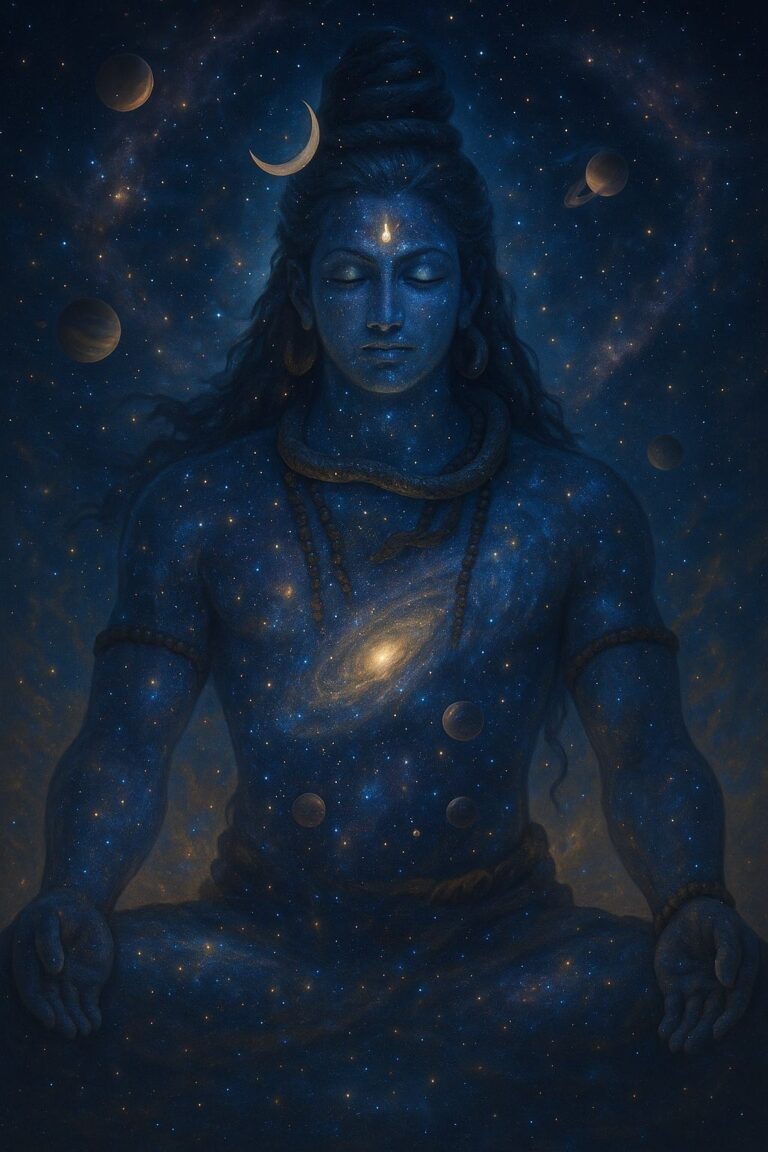
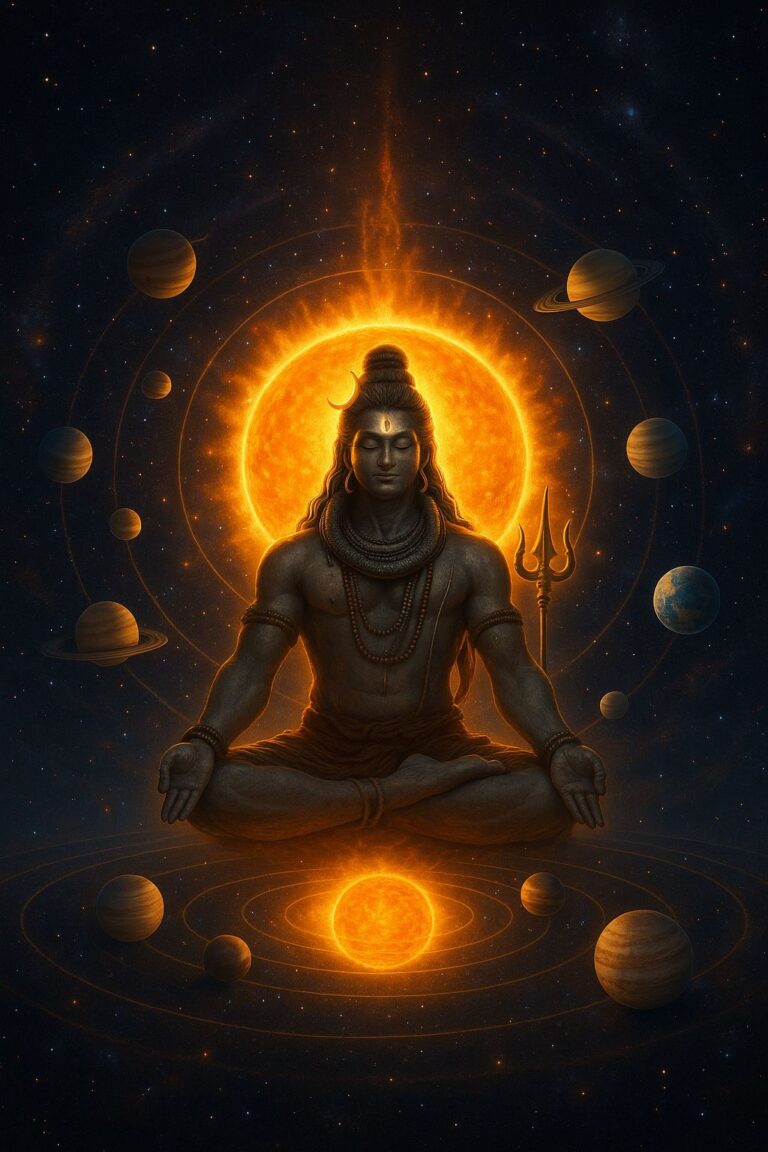
Another legend involves Lord Shiva, whose blue throat (Neelkantha) resulted from drinking poison during the churning of the ocean (Samudra Manthan). His transformation turned poison into protection, and the blue hue became a sign of transcendence and sacrifice. Dreaming of blue color Hindu meaning, therefore, can signify purification and spiritual maturity.
Goddess Durga’s red form appears in dreams when inner strength or protection is needed. The color red in Hindu mythology is both fierce and benevolent — it destroys negativity but also nurtures vitality. Dream of red color Hindu interpretation reflects this dual nature of divine energy — power balanced with compassion.
In Hindu cosmology, creation itself began with light dividing into color. The sacred Gayatri Mantra speaks of the light of Savitar — the divine sun — whose radiance manifests as all visible colors. To dream of many colors Hindu belief connects to this origin story, suggesting that your consciousness is touching the divine creative source.
Symbolism of Color in Ritual Objects and Attire
Colors are also deeply embedded in ritual clothing and sacred objects. Saffron or orange garments are worn by monks and saints as symbols of renunciation and spiritual fire. White clothing is used during prayer and mourning to represent purity and surrender. Red is used in weddings and festivals as a sign of life and auspicious beginnings. Gold, present in jewelry and temple décor, reflects divinity and immortality.
Dreaming of these colors in clothing or offerings indicates connection with these energies. For instance, dreaming of wearing white might suggest purification, while seeing yourself in gold or yellow attire may symbolize divine grace or new prosperity.
In temples, the statues of deities are adorned with colored fabrics, flowers, and powders that match their divine essence. The act of dressing the deity (alankara) is not mere ornamentation — it is a form of worship that activates color as spiritual vibration. Dream of colorful powder Hindu meaning connects to this ritual. It indicates that your inner world is being decorated by divine grace — that your consciousness is becoming ready for spiritual celebration.
Philosophical Meaning of Color and the Cosmic Spectrum
On a philosophical level, color represents the diversity of creation emerging from one divine source. The Rig Veda describes how the One manifested as many, just as pure light divides into colors. Dreaming of rainbow colors Hindu interpretation symbolizes this unity-in-diversity — an awareness that all forms, emotions, and experiences are expressions of one truth.
Each color corresponds to an energy center (chakra) within the body. Red aligns with the root chakra (survival), yellow with the solar plexus (willpower), blue with the throat (expression), and so forth. Thus, when a particular color dominates a dream, it may point to activation or imbalance of that energy center. The dream of colors spiritual meaning Hindu texts often interpret as signs of energetic purification or awakening.
Emotional and Devotional Layers of Color
Color also mirrors mood and devotion. In temple murals and mythological paintings, divine beings are portrayed in vibrant hues to awaken corresponding emotions in the devotee. Blue inspires serenity, red invokes passion, white brings peace, and gold radiates reverence. Similarly, when such colors appear in dreams, they communicate emotional truths from the soul.
To dream of many colors Hindu belief indicates a joyful heart, while dreaming of fading or dull hues can signify emotional fatigue or need for renewal. Bright colors in dreams reflect divine presence, reminding you that joy and beauty are not superficial — they are spiritual states.
Colors as Pathways to the Divine
Ultimately, color in Hinduism is a bridge between material and spiritual reality. The dream of colors in Hinduism is not random — it is your consciousness responding to divine light. Just as Krishna and Radha’s colors blended into love, or Shiva’s blue throat became a mark of transcendence, your dream reflects how divine energy interacts with your emotions, karma, and faith.
Each color that appears in your dream is a sacred whisper from the universe — a coded message from the divine inviting you to recognize your inner spectrum of emotions and energies. By meditating on these colors, wearing them consciously, or using them in worship, you align yourself with the same cosmic rhythm that moves through festivals, deities, and creation itself.
Dreams of color are, in essence, a personal Holi — a spiritual celebration painted on the canvas of your consciousness, reminding you that life itself is the divine art of color and light.
General Interpretation of Color Dreams
In Hindu philosophy, dreams are seen as messages from the subtle mind (sukshma sharira), and when color appears vividly in these dreams, it becomes a language through which the divine and the subconscious communicate. The dream of colors in Hinduism is not random imagery — it reflects the movement of energy, emotion, and karma within your life. Each shade carries its vibration, revealing what is being healed, awakened, or transformed within your spirit.
Colors in dreams can symbolize gunas (universal qualities), chakras (energy centers), and even planetary influences (grahas). Yet, their meaning depends not only on the hue itself but also on how it appears — whether it surrounds you like light, stains your hands, fills a space, or changes over time. The emotional tone of the dream is equally important, for colors are emotional symbols as much as they are spiritual signs.
The Emotional and Energetic Nature of Color Dreams
In Hindu understanding, colors in dreams reflect the emotional and energetic state of the dreamer.
- Bright, glowing colors reveal expansion, optimism, and divine protection. They often appear when your mind is at peace or when divine forces are guiding you toward spiritual progress.
- Muted or faded colors indicate fatigue, detachment, or emotional numbness. This is a gentle reminder to restore enthusiasm or faith.
- Sudden bursts of color can mean spiritual awakening — flashes of insight or creative revelation.
- Blending or merging colors reflect integration — your inner self is harmonizing multiple emotions or experiences.
- Shifting or changing colors show transformation, as if the soul is moving from one karmic phase to another.
These dynamics reveal that color dreams mirror emotional processes as much as mystical ones. They serve as mirrors for your chitta (consciousness), which constantly moves between clarity and confusion, devotion and distraction, creation and rest.
Interpreting the Setting of the Dream
The meaning of colors in dreams also depends on where and how they appear.
- Colors on your body or clothes suggest personal transformation. For example, dreaming of wearing blue may indicate growing devotion or inner peace, while red garments may symbolize courage or new energy.
- Colors in the environment (walls, skies, light) reveal external influences or cosmic forces affecting your life. A sky turning pink may symbolize dawn of hope, while a golden room represents spiritual prosperity.
- Colors appearing as light rather than solid form often represent divine guidance. They may come from deities or ancestral spirits as a blessing or reassurance.
- Colors appearing in water or reflected surfaces suggest emotional healing, since water symbolizes the subconscious. These dreams invite introspection and release.
In Hindu astrology, even the placement of planets influences color symbolism. For instance, Venus governs white and pink tones (love and harmony), while Mars rules red (power and action). When these colors dominate your dreams, it can reflect temporary alignment with those planetary energies.
Symbolic Patterns and Their Messages
Color dreams often follow symbolic patterns that can be decoded for deeper meaning:
1. Dream of a Single Dominant Color
A dream where one color dominates indicates focus or emphasis on a single aspect of your inner world.
- If it’s red, divine energy and motivation are strengthening.
- If it’s yellow, clarity and understanding are rising.
- If it’s blue, peace and faith are stabilizing your emotions.
This type of dream suggests that your soul is working on one theme — whether courage, wisdom, or devotion — and amplifying it.
2. Dream of Many Colors Together
Dream of many colors Hindu belief is seen as a highly auspicious sign. It mirrors balance among the gunas and harmony between material and spiritual life. It may symbolize emotional joy, creativity, or readiness for new experiences. The presence of multiple vivid hues also suggests that your chakras are aligning, and divine blessings are active in your life.
3. Dream of Colors Changing or Transitioning
Dream of color transition dark to bright Hindu belief represents a shift in consciousness. The movement from dark to light symbolizes purification, as ignorance gives way to awareness. The reverse — bright to dark — may indicate inner rest or a period of reflection before renewal.
4. Dream of Colors Mixing or Blurring
Blended colors symbolize integration of opposites: masculine and feminine energies, logic and intuition, work and rest. This blending shows you are reconciling inner conflicts or achieving harmony after emotional turbulence.
5. Dream of Fading or Vanishing Colors
If colors lose brightness or fade away in the dream, it suggests emotional detachment or transition out of a passionate phase. It could also signal that something in your life once vivid — a project, a relationship, a belief — is naturally completing its cycle.
Deeper Psychological Interpretation
From a psychological lens consistent with Hindu thought, color dreams correspond to the rasa system — the emotional flavors described in ancient Indian art and philosophy. Each rasa has its emotional color. For example, love (shringara) is pink or red, heroism (vira) is orange or gold, tranquility (shanta) is white or silver. Thus, the dream of colors spiritual meaning Hindu psychology interprets as your mind expressing these subtle emotional flavors visually.
Seeing blue may show that your soul seeks peace; yellow that your intellect desires learning; green that your heart yearns for compassion. When colors appear in movement, such as swirling, flowing, or shining, it suggests that emotional or spiritual evolution is actively unfolding.
Symbolism of Color Intensity
The brightness or dullness of color in a dream matters greatly. Hindu sages often say that when divine light enters the dream state, colors appear exceptionally vivid — more radiant than any seen in waking life. Such brilliance indicates divine intervention or a higher level of consciousness.
Soft pastel colors suggest subtle emotional changes, while overly dark or heavy tones may show suppressed emotions or fear of change. A dream in which colors are unusually brilliant may indicate you are being guided through a spiritual breakthrough — perhaps receiving insight through darshan (divine vision).
Interaction with the Dreamer
How you interact with color in a dream reveals your relationship with emotion and energy.
- Touching or holding color means you are learning to take control of emotional energy.
- Being covered by color implies immersion in an experience or divine blessing.
- Throwing or sharing color (as in Holi dreams) reflects generosity, forgiveness, and joy.
- Running from color indicates avoidance — perhaps fear of vulnerability or change.
Each interaction shows how you respond to the spectrum of human experience. When you embrace the color, you are embracing life itself.
Karmic and Spiritual Layers of Color Dreams
Dreaming in color can also reveal karmic cleansing or preparation for new beginnings. Bright hues such as gold, white, or violet may indicate old karmas dissolving, making way for peace. Earthy or muddy colors can suggest the need to ground spiritual insights into daily life.
In traditional Hindu astrology, colors may also relate to the navagrahas (nine planetary energies). For example:
- Red – Mars (Mangal): courage and drive
- Yellow – Jupiter (Guru): wisdom and guidance
- Blue – Saturn (Shani): patience and discipline
- White – Moon (Chandra): emotion and purity
When one of these planetary energies becomes prominent in your dream, it may point to lessons or blessings associated with that planet’s domain.
Interpreting Color Dreams with Emotional Awareness
While colors carry universal meaning, Hindu philosophy emphasizes personal context. The same color may represent peace for one person and fear for another, depending on the dream’s mood. For instance, dreaming of deep blue ocean waters may bring calm if you feel safe, but anxiety if you feel lost. Thus, interpreting color dreams requires paying attention to how you felt — not just what you saw.
Ask yourself: Did I feel joy, awe, sadness, or relief? Was the color glowing warmly or appearing dull? Your emotions are the key to decoding divine messages within color dreams.
Spiritual Significance of Color Vibrations
In the subtle body, each color corresponds to vibration of consciousness.
- Red resonates with Muladhara (root chakra), grounding and survival.
- Orange connects with Svadhisthana (sacral chakra), creativity and sensuality.
- Yellow aligns with Manipura (solar plexus), confidence and willpower.
- Green opens Anahata (heart chakra), love and compassion.
- Blue activates Vishuddha (throat chakra), truth and expression.
- Indigo awakens Ajna (third eye), intuition and vision.
- Violet or white illuminates Sahasrara (crown chakra), divine unity.
If a specific color dominates your dream, it may signal activity or imbalance in that energy center. The dream of colors spiritual meaning Hindu teachings link to this subtle energy map — a reminder to align body, mind, and spirit through meditation or prayer.
Colors as Guides Toward Self-Realization
Ultimately, color dreams in Hinduism act as inner teachers. They guide you toward self-realization by revealing which energies are active and where balance is needed. Just as the rainbow emerges from sunlight passing through rain, these dreams emerge when divine consciousness shines through your emotional world.
The dream of colors in Hinduism reminds you that life itself is a dance of light — and that each hue, whether gentle or intense, is part of your journey toward wholeness. By observing how colors appear in your dreams and what emotions they evoke, you begin to understand the language of your soul — a language as vibrant, sacred, and infinite as the divine spectrum itself.
Color Scenarios and Their Meanings
Dreams that involve colors are some of the most symbolically rich experiences within Hindu interpretation. The dream of colors in Hinduism is not merely aesthetic — it’s a reflection of your spiritual energy, your emotional vibration, and the subtle communication of divine consciousness through imagery. Each color carries a specific message, but what truly deepens interpretation is how the color appears in the dream: as clothing, light, water, powder, sky, or energy. Every form of color manifestation has a unique meaning in Hindu astrology, psychology, and spirituality.
Below are the most common and spiritually significant scenarios, with their detailed interpretations grounded in Hindu belief and dream analysis.
Dream of Red Color (Hindu Interpretation)
Red is one of the most potent colors in Hinduism. It represents Shakti — the divine feminine energy that sustains creation. Red is vitality, passion, life force, and auspicious power. Goddesses like Durga, Kali, and Lakshmi are adorned in red, signifying energy, victory, and abundance.
When you see red in a dream, the dream of red color Hindu interpretation indicates that powerful emotions or opportunities are rising. It may relate to ambition, devotion, or awakening inner strength. Red also reflects karmic activation — a time to act, to assert, and to express.
Scenario variations:
- Seeing yourself wearing red clothes: Symbolizes empowerment, success, or readiness for a major change.
- Red light surrounding your body: Indicates divine protection from a goddess or ancestral spirit.
- Red flowers or sindoor: Suggests blessings related to love, fertility, or family growth.
- Red water or powder (gulal): Signifies emotional purification and renewal, especially around Holi.
If the red color feels warm and positive, it brings prosperity and courage. If it feels overwhelming, it warns of overactivity or attachment — a sign to channel your energy wisely through prayer or discipline.
Dream of Yellow Color (Hindu Meaning)
Yellow represents Jnana (knowledge), clarity, and divine illumination. It is linked to Lord Vishnu and Goddess Saraswati, symbolizing intellect, teaching, and spiritual awakening. The dream of yellow color Hindu meaning shows that your soul seeks clarity or that wisdom is emerging through experience.
Scenario variations:
- Seeing bright yellow light: Indicates divine guidance and intellectual growth.
- Wearing yellow garments: Suggests purification of karma and harmony in relationships.
- Yellow flowers or turmeric: Symbol of spiritual purity and auspicious beginnings.
- Golden-yellow aura: Connection with higher consciousness or blessing from Vishnu.
Yellow dreams are often messages from your higher self to trust your intuition and pursue truth. It can also represent the balancing of the solar plexus energy center — confidence and self-worth.
Dream of Green Color (Hindu Symbolism)
Green is the color of life, healing, and harmony. It symbolizes nature, compassion, and the continuous renewal of existence. Associated with Lord Ganesha and the element of Earth, it reflects balance between material and spiritual realms.
In Hindu astrology, dreaming of green color points to Anahata — the heart chakra — opening. It may also signal physical recovery or emotional reconciliation.
Scenario variations:
- Green plants or forests: Indicate growth, healing, and grounded energy.
- Wearing green attire: Suggests reconciliation, forgiveness, or overcoming emotional wounds.
- Seeing green light in a temple: Represents divine compassion and removal of emotional obstacles.
- Dreaming of emerald or green jewels: Signifies prosperity and stability in family or career.
Green is always considered a gentle and protective omen, suggesting that life is regenerating itself in your favor.
Dream of Blue Color (Meaning in Hinduism)
Blue is one of the most sacred hues in Hindu belief. It represents infinity, peace, and divine protection. Vishnu, Krishna, and Rama — all incarnations of the Preserver — are depicted in blue. The dream of blue color meaning Hindu therefore symbolizes divine presence, faith, and surrender.
Scenario variations:
- Seeing blue sky or ocean: Reflects inner calmness and spiritual vastness.
- Wearing blue clothing: Indicates emotional maturity and peace of mind.
- Blue light or aura: Signifies protection by Vishnu or Krishna, especially during uncertainty.
- Blue powder or Holi colors: Shows emotional freedom and celebration of divine play (Lila).
If blue appears in your dream, it may be a message to trust the divine process — reminding you that even when life changes, divine order continues beneath the surface.
Dream of White Color (Hindu Belief)
White is the color of purity, truth, and enlightenment. It symbolizes detachment from illusion (Maya) and connection to higher consciousness. Associated with Shiva and Saraswati, it embodies peace and transcendence.
The dream of white color Hindu belief suggests spiritual progress, forgiveness, or liberation from worry. Seeing white in dreams indicates that your mind is clearing, and your karma is being purified.
Scenario variations:
- White light filling your vision: Symbol of divine awakening or the presence of higher beings.
- White clothes: Indicate peace, healing, or closure of a karmic cycle.
- White flowers or lotus: Represent divine grace and blessings from Saraswati.
- White ash (vibhuti): Symbol of spiritual realization and humility.
If white appears in your dream of colors in Hinduism after a period of emotional conflict, it means harmony and clarity are returning.
Dream of Black Color (Hindu Astrology Meaning)
Black, though often feared, has deep spiritual importance. It represents mystery, protection, and transformation. In Hinduism, Goddess Kali is the embodiment of black – she destroys ignorance and liberates the soul from ego.
The dream of black color Hindu astrology meaning points to hidden wisdom and shadow work. It asks you to look inward, confront fears, and integrate suppressed emotions.
Scenario variations:
- Seeing yourself surrounded by black energy: Indicates facing subconscious fears or karmic cleansing.
- Black smoke or shadow transforming into light: Symbol of liberation through awareness.
- Wearing black clothes: Suggests introspection and inner strength.
- Dreaming of Goddess Kali: Represents destruction of illusion and rebirth of the soul.
Black in dreams is not negative – it’s an initiation into deeper spiritual truth. It means your consciousness is ready to transcend superficial appearances and find truth in the unknown.
Dream of Purple or Violet Color (Hindu Meaning)
Purple (or violet) is associated with divine wisdom and intuition. It connects with Ajna (third eye) and Sahasrara (crown chakra) — the centers of perception and cosmic awareness.
In the color dream Hindu meaning, seeing purple signifies higher insight or readiness for meditation. It may indicate you are entering a new spiritual phase, where intuitive messages or visions become stronger.
Scenario variations:
- Purple light or halo: Sign of divine blessing, often linked to Lord Shiva.
- Wearing violet clothes: Suggests spiritual advancement or detachment from material worries.
- Dreaming of amethyst or purple jewels: Indicates intuition and psychic development.
- Purple flowers: Symbol of devotion and surrender.
When purple appears with golden or white light, it is among the most auspicious dream combinations — suggesting enlightenment and divine union.
Dream of Golden Color (Hindu Spiritual Interpretation)
Gold represents divinity, abundance, and enlightenment. It is the hue of celestial realms, associated with Goddess Lakshmi and the blessings of prosperity. Dreaming of gold indicates spiritual or material success granted by divine grace.
Scenario variations:
- Seeing golden light or aura: Symbolizes divine radiance entering your consciousness.
- Golden jewelry or coins: Reflects wealth, success, or rewards for good karma.
- Golden temple or deity: Indicates direct blessing and protection.
- Wearing gold attire: Signifies fulfillment of desires through righteousness.
The dream of golden color Hindu spiritual interpretation reveals inner awakening. Gold merges material abundance with spiritual virtue, reminding you that prosperity is sacred when guided by purity of heart.
Dream of Many Colors (Hindu Belief)
When multiple colors appear together, it is a dream of cosmic unity. It symbolizes balance among the gunas (qualities), integration of emotions, and connection to divine joy. The dream of many colors Hindu belief often comes during times of healing or inspiration.
Scenario variations:
- Seeing rainbow or merging hues: Signifies wholeness, acceptance, and spiritual harmony.
- Walking through a field of colors: Suggests creative expansion and emotional freedom.
- Being painted or splashed with many colors: Reflects divine blessing, joy, and readiness for transformation.
- Colors moving in circular motion: Represents chakra activation or divine dance (Lila).
Dreams of many colors are especially powerful during Holi season, as they echo the energy of Krishna’s divine play and the celebration of life in all its diversity.
Dream of Color Transition (Dark to Bright)
Dream of color transition dark to bright Hindu belief symbolizes awakening. It shows that the soul is moving from ignorance or emotional struggle toward enlightenment and peace. When you see a dream where the environment turns from dark to luminous — or a dull color brightens — it means divine light is entering your life.
If the change happens gradually, it represents steady inner growth. If it happens suddenly, it suggests a karmic release or an answered prayer.
Dream of Colors in Water (Hindu Symbolism)
Water represents emotion and subconscious mind. Seeing colors reflected in or blending with water reveals purification and healing.
Scenario variations:
- Clear water with bright colors: Indicates emotional balance and divine blessings.
- Cloudy or dark water with color: Suggests emotional confusion that needs introspection.
- Colors mixing in water: Symbol of cleansing karmic patterns and regaining peace.
- Washing hands or body in colored water: Ritual purification; renewal of energy.
The dream of colors in water Hindu symbolism teaches that emotions, like water, carry the hues of our inner state — when cleansed, they reveal divine reflection.
Dream of Throwing or Playing with Colors (Holi Dreams)
Dreams of throwing colors Holi Hinduism are among the most auspicious. They symbolize release of burden, restoration of joy, and renewal of love. To throw or receive color during a dream suggests connection with Krishna’s energy — playful, loving, and free.
Scenario variations:
- Throwing bright powder at someone: Indicates reconciliation, forgiveness, and joy shared with others.
- Being splashed with colors: Sign of divine blessing and renewal of relationships.
- Dancing in a crowd of colors: Reflects spiritual liberation and freedom from self-judgment.
If the colors are vivid, the dream foretells good fortune. If they are pale or mixed with dust, it suggests cleansing of old emotional patterns.
Dream of Colorful Powder (Gulal) or Rangoli
Powdered colors in Hindu culture are sacred elements of worship. Dreaming of colorful powder Hindu meaning connects with purity, festival energy, and devotion. Seeing or touching powder represents preparation for spiritual celebration.
If you draw rangoli in the dream using colored powder, it means your subconscious is arranging energies harmoniously — inviting prosperity into your life.
Dream of Wearing, Painting, or Decorating with Colors
Seeing yourself using colors creatively — painting, dyeing fabrics, or decorating space — indicates awakening of creativity and spiritual joy. It symbolizes the act of consciously shaping destiny through divine inspiration.
Wearing colors aligns with particular energies:
- Red or gold attire — confidence and divine support.
- White attire — peace and healing.
- Blue or green attire — balance and devotion.
Dream of Fading or Losing Colors
If you dream that colors fade, dissolve, or turn gray, it often means detachment, completion, or closure. It may indicate the end of a karmic phase or emotional release. The dream is not negative — it represents stillness before renewal.
In Hindu symbolism, fading color parallels the transition from Rajas (activity) to Sattva (peace). It’s a spiritual rest, allowing you to reset before the next cycle of creation.
Dream of Light Made of Colors
Sometimes, colors in dreams appear as pure radiant light — shimmering in the sky, emanating from deities, or surrounding your body. These are signs of divine darshan (vision). They mean that divine presence has touched your consciousness.
Rainbow or multicolored light represents cosmic unity and is often interpreted as blessing from higher beings or ancestors. When such visions occur, they mark an important spiritual milestone — a confirmation that your awareness is aligning with the rhythm of divine creation.
In essence, the dream of colors in Hinduism translates your inner state into sacred symbolism. Each hue, each shift of brightness, and each setting carries meaning tied to both your emotions and your spiritual evolution. Whether you see a single glowing color or the vibrant play of many shades, these dreams are invitations from the universe to awaken, heal, and remember your connection with the divine spectrum of existence.
Colors and Lucky Numbers in Dreams
In Hindu dream interpretation, colors and lucky numbers work together as indicators of energy quality and timing, not chance-based fortune. Colors describe the state of consciousness or karma active in the dream, while numbers reflect how that energy can stabilize, mature, or move forward.
When a color appears clearly and repeatedly in a dream, its associated lucky numbers tend to support actions aligned with that energy. Auspicious colors pair best with patient planning and ethical choices. Challenging colors pair with numbers that encourage grounding, correction, or closure rather than risk.
It is important to read color and number together. A bright, calming color with supportive numbers suggests alignment and ease. A heavy or dull color with grounding numbers signals the need for awareness and restraint before action.
Below is a clear summary table showing common dream colors and their corresponding lucky numbers according to Hindu symbolism.
Dream Colors and Lucky Numbers – Summary Table
| Dream Color | Energy Meaning (Hindu Belief) | Lucky Numbers | What the Numbers Support |
|---|---|---|---|
| White | Purity, sattva, clarity | 7, 21 | Peaceful decisions, spiritual alignment |
| Yellow | Wisdom, learning, Jupiter influence | 3, 12 | Study, guidance, steady growth |
| Red | Shakti, passion, life force | 6, 9 | Emotional balance, controlled action |
| Green | Healing, renewal, balance | 5, 21 | Gradual progress, recovery |
| Blue | Divine consciousness, calm | 7, 11 | Intuition, inner guidance |
| Orange / Saffron | Renunciation, discipline | 9, 27 | Detachment, spiritual focus |
| Pink | Compassion, emotional harmony | 6, 15 | Relationships, reconciliation |
| Gold | Divine blessing, sacred abundance | 21, 108 | Long-term prosperity, protection |
| Black | Hidden karma, tamas | 8, 14 | Awareness, restraint, correction |
| Grey | Uncertainty, confusion | 11, 16 | Reflection, mental clarity |
| Brown | Grounding, practicality | 4, 10 | Stability, realistic planning |
| Dark Red / Maroon | Intense desire or anger | 9, 18 | Emotional release, closure |
| Muddy / Dull Colors | Blocked energy | 4, 12 | Reorganization, discipline |
| Multicolored | Mixed influences | 5, 14 | Caution, step-by-step adjustment |
| Glowing or Radiant Colors | Elevated awareness | 7, 108 | Spiritual protection, rare alignment |
In Hindu belief, lucky numbers activated by dream colors work best when actions match the energy shown in the dream. Calm colors favor patience and clarity. Heavy or intense colors favor grounding and correction. Numbers guide timing and attitude, not outcomes driven by chance.
Dream of Colors During Holi
Holi, known as the Festival of Colors, holds a sacred place in Hinduism as a time of joy, forgiveness, and renewal. It celebrates the triumph of good over evil, the coming of spring, and the divine love of Krishna and Radha. When you experience a dream of colors during Holi Hindu meaning, it carries a special vibration — far deeper than a simple image of celebration. Such a dream reflects not only emotional release but also spiritual cleansing. It signifies that your soul is aligning with cosmic renewal and that divine joy is seeking to manifest through you.
Unlike general color dreams, Holi dreams are tied to ritual timing. In Hindu belief, certain periods of the year are spiritually charged — especially festival seasons such as Holi, Diwali, and Navratri. If you dream of Holi colors near the actual festival time, the energy of the dream amplifies. It means that your consciousness is receptive to blessings that are already circulating in the spiritual atmosphere. Just as the festival of Diwali represents the victory of light (as explored in our article on Dream of Lamps/Deepak in Hindu Belief), and Navratri dreams represent divine dance and transformation (as in Dream of Dancing in Hinduism – Ritual and Festival Meaning), Holi dreams symbolize the celebration of life through color — the play of creation where all dualities dissolve.
Symbolism of Holi in Dreams
To dream of Holi is to witness the soul’s desire for liberation through joy. Each color thrown or received during the dream carries spiritual information about your emotional and karmic state. Holi symbolizes the burning away of past burdens (as represented by the bonfire of Holika Dahan) and the renewal of faith through color play the next morning.
The dream of throwing colors Holi Hinduism indicates that you are releasing emotional heaviness. The act of coloring others or being colored represents forgiveness, healing of relationships, and emotional purification. Just as the real-life Holi removes social and spiritual boundaries, the dream version mirrors inner freedom — the rediscovery of playfulness within spirituality.
If you see yourself surrounded by people laughing, dancing, or splashing colors, it reflects harmony returning to your social and family life. Seeing yourself alone but covered in color means divine blessings are being bestowed directly upon you, signifying spiritual maturity or an upcoming renewal phase.
Spiritual Interpretation: Divine Play and the Soul’s Renewal
In Hindu mythology, Holi originates from the Lila (divine play) of Lord Krishna and Radha. Krishna, with his blue skin, colored Radha’s fair face with bright powders, symbolizing that divine love transcends differences. The dream of colors in Hinduism that centers around Holi thus represents the blending of opposites — masculine and feminine, dark and light, mortal and divine.
When you see Krishna or Radha in your Holi dream, it is a direct spiritual blessing. Krishna symbolizes devotion and divine joy, while Radha represents the pure heart open to love. Dreaming of playing colors with them means your inner being is awakening to love, surrender, and the beauty of divine connection.
If the colors in your dream appear especially vivid — bright pinks, yellows, blues, or greens — it suggests emotional vitality and readiness to express your true self. If you dream of throwing color but no one receives it, the message is introspective: your energy wants expression but needs an outlet, such as art, movement, or prayer.
Holi Colors and Their Meanings in Dreams
Each hue during Holi carries both emotional and spiritual messages in Hindu interpretation:
- Red powders reflect love, energy, and passion — blessings from Goddess Durga.
- Yellow powders represent divine wisdom and joy — the guidance of Vishnu and Saraswati.
- Blue powders relate to Krishna consciousness — peace, devotion, and protection.
- Green powders symbolize new beginnings and harmony — the blessings of Ganesha and nature’s healing energy.
- Pink powders signify affection, grace, and openness to relationships.
- Orange powders embody transformation and divine courage — connection to fire element and inner purification.
If your Holi dream features one color strongly, it may reveal the energy you most need or that is currently being awakened within your life. A dream where colors mix beautifully indicates balance and unity; when colors stain permanently, it means a lasting transformation is underway — a karmic cleansing that will stay with you beyond the dream.
Dreaming of Holi Before or After the Festival
Timing gives extra meaning to these dreams.
- Dreaming of Holi before the festival: Symbolizes anticipation, renewal, and divine preparation. Your subconscious is tuning into spiritual frequency ahead of time — you are ready to receive joy.
- Dreaming of Holi during the festival: Amplifies the symbolism of unity, divine blessing, and cleansing. It may indicate active energy flow from the goddess or Lord Krishna into your emotional world.
- Dreaming of Holi after the festival: Reflects lingering blessings. Even when the outer celebration is over, your soul continues to process the emotional and karmic renewal that occurred.
Just as in Festival Dreams in Hinduism – Diwali, Navratri and Their Lucky Signs, the timing of your festival dream determines which energy is being mirrored from the collective consciousness. Holi dreams, in particular, show how your inner energy aligns with the cycle of joy, destruction of the past, and creation of a new self.
Emotional and Psychological Layers of Holi Dreams
From a psychological perspective, Holi dream of colors in Hinduism represents emotional liberation. The act of throwing colors may indicate a subconscious desire to express joy, creativity, or forgiveness. Colors landing on your body symbolize acceptance and self-love — embracing all parts of your personality.
The emotional tone matters.
- If you feel joyful and free, it reflects personal healing.
- If you feel overwhelmed or anxious, it means you are resisting change or trying to control emotional expression.
- If you see others playing while you remain still, it may symbolize detachment or fear of vulnerability — a gentle nudge from your subconscious to rejoin life’s dance.
Holi dreams are thus therapeutic visions, encouraging release, laughter, and compassion. They often appear during periods of emotional stagnation or after major personal challenges, marking a turning point in your healing journey.
Ritual Guidance After a Holi Dream
When you have a dream of colors in Hinduism during Holi, it is considered auspicious to perform small symbolic acts to honor the energy.
- Light a diya at your altar or near a window as gratitude for renewal.
- Offer colorful flowers to Lord Krishna, Radha, or the goddess you feel closest to.
- Meditate on forgiveness — imagine washing away old resentments with waves of color.
- Create a rangoli or draw with bright hues to keep the energy of the dream alive.
These rituals are not just symbolic; they anchor the spiritual message of the dream into your waking consciousness, allowing blessings to manifest more fully.
Special Scenarios in Holi Dreams
- Dreaming of being splashed by others: Indicates divine blessings through community or loved ones.
- Dreaming of coloring someone else: Suggests reconciliation or emotional sharing.
- Dreaming of cleaning after Holi: Reflects grounding after spiritual experience — integration of lessons.
- Dreaming of Holi rain (colors mixed with water): Signifies purification and divine mercy washing over your life.
- Dreaming of dry colors (gulal powder): Represents energy of creation, manifestation, and potential.
Each version of Holi dream connects with renewal – the same way Diwali dreams focus on illumination and Navratri dreams center around transformation. All these festival dreams, when viewed together, form a symbolic cycle of the soul’s journey: darkness to light (Diwali), movement and awakening (Navratri), and joy in divine unity (Holi).
Holi dream of colors in Hinduism is the culmination of the spiritual rhythm described in the other festival-based interpretations.
- In the Dream of Lamps / Deepak in Hindu Belief, light overcomes ignorance — Holi extends that light into color and emotion.
- In Dream of Dancing in Hinduism, divine rhythm expresses transformation — Holi continues this rhythm through playful movement and collective joy.
- In Festival Dreams in Hinduism – Diwali, Navratri and Their Lucky Signs, each festival marks a sacred phase of consciousness. Holi represents the celebration that follows enlightenment — the soul’s laughter after darkness dissolves.
Together, these articles form a holistic vision of Hindu dream symbolism: light, movement, and color — all aspects of divine expression guiding the soul toward liberation.
Final Insight on Holi Dreams
To dream of Holi colors is to receive an invitation from the divine to live with more joy and authenticity. It is a sign that your karmic burdens are dissolving and that your heart is open to life’s vibrancy once again. The more vivid and alive the colors, the more auspicious the dream.
In Hindu belief, such dreams are not mere imagination — they are the soul’s celebration. They remind you that spirituality is not only prayer or stillness but also laughter, connection, and play. Just as the festival of Holi unites people of all kinds under one sky of color, a dream of Holi unites every part of your being — your emotions, your memories, and your spirit — into harmony with the divine spectrum of existence.
Summary Table – Dream of Colors in Hinduism: Scenarios, Meanings, and Symbolism
| Dream Scenario / Color | Spiritual or Symbolic Meaning (Hindu Lens) | Emotional / Psychological Message | Deity or Festival Association | Suggested Ritual or Reflection |
|---|---|---|---|---|
| Red Color | Represents Shakti, vitality, strength, and divine feminine power. Sign of action, courage, or auspicious beginnings. | Passion, motivation, awakening inner fire. | Durga, Lakshmi | Light a red diya or offer red flowers to the goddess for empowerment. |
| Yellow Color | Symbol of wisdom, clarity, and divine illumination. Sign of intellectual or spiritual growth. | Optimism, self-confidence, insight. | Vishnu, Saraswati | Meditate or study sacred texts; offer marigold flowers. |
| Green Color | Connected to healing, renewal, and balance between material and spiritual. | Rejuvenation, forgiveness, emotional stability. | Ganesha, nature deities | Spend time in nature, or offer green leaves to Ganesha. |
| Blue Color | Represents infinite peace, devotion, and divine protection. | Faith, surrender, calmness. | Vishnu, Krishna, Rama | Chant Om Namo Narayanaya; visualize blue light for serenity. |
| White Color | Purity, spiritual liberation, and higher awareness. | Emotional peace, forgiveness, karmic release. | Shiva, Saraswati | Offer white flowers or perform silent meditation. |
| Black Color | Mystery, transformation, destruction of ignorance. | Facing fears, emotional depth, shadow integration. | Kali, Bhairava | Meditate on courage; light a ghee lamp to dispel negativity. |
| Purple / Violet Color | Intuition, meditation, and higher consciousness. | Insight, detachment, mystical awareness. | Shiva, crown chakra | Practice deep breathing or mantra chanting. |
| Golden Color | Divine prosperity, grace, and enlightenment. | Gratitude, abundance, divine favor. | Lakshmi, celestial beings | Offer gold-toned candles or chant Om Shreem Mahalakshmyai Namah. |
| Rainbow / Many Colors | Harmony, cosmic unity, and divine play (Lila). | Balance, joy, creative expression. | Krishna, universal energy | Express creativity through art or dance; gratitude meditation. |
| Colors in Water | Emotional cleansing and subconscious purification. | Healing, renewal, emotional release. | Ganga, Varuna | Bathe mindfully, or visualize washing away old emotions. |
| Throwing or Playing with Colors (Holi) | Celebration of divine love and renewal; spiritual joy and release. | Joy, social healing, openness. | Krishna, Radha (Holi) | Participate in color rituals or express gratitude to Krishna. |
| Color Transition (Dark to Bright) | Moving from ignorance to awareness; inner awakening. | Emotional transformation, hope. | Surya, divine light | Meditate at sunrise; visualize light filling your aura. |
| Fading or Losing Colors | Completion of karmic cycles or rest phase. | Detachment, acceptance, letting go. | Shiva (renunciation) | Reflect through journaling or simple breath meditation. |
| Bright, Radiant Colors | Divine presence; spiritual protection or blessing. | Inspiration, vitality, high energy. | Any benevolent deity | Offer a diya of multiple colors to honor divine play. |
| Dull or Faded Colors | Emotional fatigue or temporary spiritual stagnation. | Need for rest, self-care, or faith renewal. | None specific | Perform cleansing rituals, prayer, or color meditation. |
| Colors Appearing as Light | Vision of divine energy (darshan) or cosmic consciousness. | Enlightenment, realization, peace. | Vishnu, Shiva, Krishna | Sit in silence and meditate on the light seen in the dream. |
| Colors in Clothing | Transformation or emotional identification with specific divine quality. | Integration of qualities like courage, love, or peace. | Depends on color | Wear corresponding color consciously in worship. |
| Colorful Powder / Gulal | Festival energy, manifestation, and joy. | Renewal, emotional expression, creative awakening. | Krishna, Holi | Create rangoli or offer colored powder in prayer. |
| Decorating or Painting with Colors | Act of shaping destiny and expressing divinity through creation. | Creativity, empowerment, optimism. | Vishwakarma (divine artisan) | Engage in creative arts as meditation. |
| Being Covered in Colors | Divine blessing or transformation of the soul. | Acceptance, joy, emotional healing. | Holi, Krishna | Thank the divine through song or devotional dance. |
| Dreaming of Cleaning Colors After Holi | Grounding after spiritual or emotional high. | Integration, closure, reflection. | Earth element, balance energy | Perform gratitude prayer or journaling ritual. |
| Seeing Only One Dominant Color | Focus on a single aspect of growth or lesson. | Self-awareness, prioritization. | Related to dominant color’s deity | Meditate on that color’s vibration for deeper clarity. |
| Blending or Mixing Colors | Reconciliation of dualities; merging of emotions or energies. | Emotional balance, unity, acceptance. | Krishna’s Lila, creative energy | Practice mindfulness and forgiveness meditation. |
| Colors Reflecting in Mirror or Water | Self-reflection and awareness of emotional truth. | Introspection, self-knowledge. | Saraswati (wisdom through reflection) | Journal about feelings revealed in dream. |
| Holi Celebration with Family or Friends | Reconnection and collective harmony. | Healing of relationships, shared happiness. | Krishna, Radha, Holi | Reach out to loved ones or share joyful activities. |
| Holi with Unknown People or Deities | Divine initiation; connection to universal love. | Spiritual expansion, openness. | Krishna, Radha, celestial beings | Offer sweets or flowers in temple to honor shared joy. |
Each color or scenario represents a specific state of consciousness. If you dream of vibrant, joyful color scenes — particularly involving Holi or divine light — it reflects active blessings and renewal. If the dream feels muted, introspective, or dark, it often signals the need for inner reflection, patience, or emotional release.
Together, these dream messages follow the same sacred rhythm found across festival-based dreams on LuckInDreams.com: light (Diwali), movement (Navratri), and color (Holi). Interpreting them holistically allows you to see your dreams not as isolated events but as parts of a continuous spiritual journey — where every hue, emotion, and divine symbol guides your soul closer to harmony and awakening.
What to Do After Such a Dream
When you experience a vivid dream of colors in Hinduism, the message does not end when you wake up. Hindu dream philosophy teaches that dreams are subtle communications from the higher self — reflections of divine energy or the movement of gunas (cosmic qualities) within your consciousness. The moment you awaken, your actions and awareness determine whether the dream’s blessing fully manifests or fades away. By honoring the dream through reflection and ritual, you turn it into a living spiritual experience.
Below is a detailed guide on how to interpret and integrate the meaning of color dreams into your daily life.
1. Recall and Record the Dream Before It Fades
In Hindu belief, the first moments after waking hold special significance because the subconscious remains open. Sit quietly before getting out of bed and mentally replay the dream — its colors, setting, people, and emotions. Write everything in a notebook dedicated to dream reflection.
Include these details:
- What colors appeared most vividly?
- Where did the colors appear — in light, water, clothing, or powder?
- How did you feel while seeing them — peace, joy, fear, confusion, or awe?
- Was it connected to any festival (Holi, Diwali, Navratri) or deity?
Recording these sensations helps you track patterns over time. For instance, frequent dreams of blue may reflect an ongoing period of devotion or peace, while recurring red tones might signal an active creative or emotional phase.
2. Meditate on the Color You Saw
Each color vibrates with a unique frequency that influences your state of mind. By meditating on the color seen in your dream, you align your inner energy with its divine quality.
For example:
- Red – Focus on the Muladhara (root chakra). Visualize a red lotus radiating strength and stability.
- Yellow – Visualize sunlight at your solar plexus, awakening confidence and clarity.
- Green – Imagine a soft green glow at your heart, filling you with love and compassion.
- Blue – Focus on the throat or the sky above; breathe deeply and surrender to divine calm.
- White or Golden – Imagine a crown of light above your head, merging you with universal consciousness.
Perform this color meditation for a few minutes daily for several days after the dream. It helps transform symbolic energy into real emotional and spiritual balance.
3. Offer a Simple Ritual of Gratitude
In Hinduism, gratitude anchors divine energy into physical reality. After a dream of colors in Hinduism, perform a small offering to express thanks to the deities or cosmic forces guiding you.
- Light a diya (lamp) of the same color as the dream if possible, or simply use white for purity.
- Offer flowers or fruits that match the dream’s hue. Yellow marigolds for wisdom, red roses for devotion, green leaves for balance, or white jasmine for peace.
- Chant a mantra connected to the energy of the dream.
- Red / strength – Om Dum Durgaye Namah
- Blue / protection – Om Namo Narayanaya
- Yellow / wisdom – Om Aim Saraswatyai Namah
- White / peace – Om Namah Shivaya
- Green / renewal – Om Gan Ganapataye Namah
You may place the offering at your home altar or near a window where sunlight falls, symbolizing the transmission of inner light outward into the world.
4. Reflect on Emotional Messages Hidden in the Dream
Every dream of colors in Hinduism carries both external and internal significance. After performing your ritual, spend a few minutes journaling or contemplating what the color means emotionally for you.
Ask yourself:
- What was I feeling in the dream? Do I feel that in waking life?
- Is there an area of my life that corresponds to this color’s theme? (For example, red might relate to love or motivation, blue to peace or communication.)
- Is the color inviting me to change something — to rest, forgive, express, or begin anew?
This reflective process bridges symbolic meaning with personal insight. A dream of red color Hindu interpretation, for example, may not only represent divine energy but also your waking need to take bold action or rekindle passion for a goal.
5. Perform a Cleansing or Renewal Ritual
Color dreams — especially if they involve strong contrasts, dark shades, or emotional intensity — can signal energetic cleansing. Performing a small purification ritual helps balance and ground this energy.
Here are some gentle Hindu practices:
- Water purification: Bathe with a pinch of turmeric or rock salt in the water to neutralize old energy.
- Lighting incense: Use sandalwood or rose to elevate the vibration of your space.
- Rangoli creation: Draw a small rangoli in front of your home using colored powder, symbolizing divine order returning through art.
- Temple visit: Offer colored flowers or light candles at a temple connected to the dream’s deity — for instance, Krishna for blue dreams, Durga for red, or Saraswati for white.
If your dream involved colors in water, performing abhisheka (ritual water offering) to a deity helps integrate that message.
6. Balance Your Daily Life Through Color and Intention
Hindu tradition views colors as powerful tools for aligning your environment with cosmic energy. Integrate the dream color into your surroundings consciously.
Examples:
- Wear clothing in that color for several days after the dream.
- Place a small decorative object or flower of the same shade near your workspace or altar.
- Cook or eat foods representing the color’s energy — for example, yellow lentils for clarity or green vegetables for balance.
- Chant or visualize the corresponding chakra during daily prayer.
Such small symbolic actions maintain energetic continuity between your dream and your waking life.
7. Link the Dream to the Festival or Season
If your dream’s imagery resembles Holi, Diwali, or Navratri, see it as part of a broader spiritual rhythm.
- A dream of colors during Holi Hindu meaning points to emotional liberation and divine play — a cue to celebrate life.
- A dream of lamps during Diwali relates to illumination and renewal of purpose.
- A dream of dancing during Navratri represents devotion and transformation.
If you notice that your dream coincides with or references one of these festivals, participate in its rituals physically or symbolically. For example, light diyas near Diwali, sing bhajans during Navratri, or paint rangoli during Holi. By honoring the same divine forces that appeared symbolically, you integrate the dream’s blessing with real-life festival energy.
8. Seek Guidance if the Dream Feels Overwhelming or Repetitive
Not all color dreams are serene; some can be intense or recurring. If you repeatedly dream of dark hues, storms of color, or confusion, it may indicate deeper emotional work or karmic purification.
In Hindu spiritual practice, such dreams are not bad omens — they are calls for awareness. If the dream leaves you uneasy, consult a spiritual guide, temple priest, or astrologer (jyotishi) to interpret the planetary energies influencing your subconscious. Chanting planetary mantras or performing small donations (daan) — such as feeding birds for Saturn or offering sweets for Venus — can help harmonize imbalanced energies reflected in dreams.
9. Express the Dream’s Message Creatively
Holi and dream of colors in Hinduism are closely tied to creativity. Expressing the message through art, writing, or movement strengthens its impact.
- Paint or draw the colors from your dream.
- Write a short reflection or poem describing how it felt.
- If the dream felt celebratory, dance or sing to channel that joy.
Creative acts are seen as extensions of bhakti (devotion) — honoring the divine by embodying its beauty in human form.
10. End with Prayer and Stillness
Conclude your reflection with a few minutes of quiet prayer. You may chant universal mantras like Om Shanti or Gayatri Mantra. Visualize all the colors from your dream merging into a radiant white or golden light at your heart, representing divine unity.
Say silently: “May the colors of divine energy fill my life with wisdom, love, and peace.”
This closing step integrates the symbolic, emotional, and spiritual meanings of your dream into your daily awareness. The goal is not merely to analyze but to live the dream — to let its sacred color radiate into your thoughts, actions, and relationships.
Dreams of color are among the most beautiful signs a soul can receive. They show that your consciousness is awakening — that divine light is painting your inner world with meaning. Whether it’s the red of Durga’s courage, the blue of Krishna’s compassion, or the golden glow of Lakshmi’s abundance, these dreams invite you to embody their energy.
By honoring the dream of colors in Hinduism through meditation, ritual, and gratitude, you keep the dialogue between your soul and the divine alive. Just as Holi fills the world with color once a year, each color dream fills your inner life with the reminder that joy, renewal, and divine connection are always within reach.
Psychological and Spiritual Insights
The dream of colors in Hinduism carries messages that reach far beyond surface symbolism. It is a meeting point between your inner emotions and divine energy — a dialogue between the subconscious mind and the cosmic consciousness. Understanding these dreams from both psychological and spiritual perspectives helps you decode not only what your mind is processing but also what your soul is awakening to.
Psychological Meaning of Color Dreams
From a psychological lens, colors in dreams represent emotional expression, subconscious healing, and integration of hidden desires or fears. In Hindu philosophy, the mind (manas) and heart (hridaya) are not separate — they flow together. The color dream Hindu meaning shows that your subconscious is using light and color to communicate what cannot be expressed through words.
Each color in the dream landscape mirrors an emotion or mental state:
- Red represents energy, ambition, and awakening life force. It can appear when you are reclaiming motivation or when your emotions are intense.
- Yellow reflects optimism, curiosity, and clarity. It often arises when you’re seeking new knowledge or making sense of change.
- Green symbolizes harmony and self-acceptance. It can appear when emotional wounds are healing or when forgiveness is needed.
- Blue reveals peace, devotion, and stability. It surfaces in times of faith or when you’re learning to trust again.
- White reflects emotional purification and clarity of purpose. It may follow a phase of confusion or conflict.
- Black connects with introspection and shadow work — the process of facing repressed emotions and transforming them.
Psychologically, a dream of many colors Hindu belief often signifies emotional release or creativity being reborn. It appears when the mind transitions from suppression to self-expression. Just as Holi celebrates liberation through colors, your subconscious uses vivid imagery to restore inner joy.
If the colors in your dream are radiant and flowing, it means your emotions are harmonizing. If they’re dull, fading, or chaotic, your psyche is processing tension or fatigue. The message is never negative — it’s simply diagnostic, helping you recognize the emotional energy currently shaping your life.
Dream of colors in Hinduism, in this sense, is the natural form of emotional balance — your inner world painting the truth your conscious mind is not yet ready to speak.
Spiritual Meaning of Color Dreams in Hinduism
In Hindu tradition, color is not just symbolic — it is divine energy in motion. Each hue carries sacred vibration, representing aspects of consciousness expressed through deities, elements, and cosmic forces. The dream of colors spiritual meaning Hindu perspective teaches that colors in dreams reflect how the divine communicates through your subtle body (sukshma sharira).
- Dream of red color Hindu interpretation: Linked to Goddess Durga and Lakshmi, red shows awakening of power, love, and prosperity. Spiritually, it indicates divine energy (Shakti) entering your life.
- Dream of blue color meaning Hindu: Associated with Lord Vishnu and Krishna, blue signifies peace, devotion, and infinite divine protection. It may appear when your soul seeks guidance or reassurance.
- Dream of yellow color Hindu meaning: Connected to Saraswati and Vishnu, yellow reveals enlightenment and learning — a reminder to follow truth and wisdom.
- Dream of white color Hindu belief: Symbol of purity and transcendence, indicating liberation (moksha) or cleansing of karmic burdens.
- Dream of golden color Hindu spiritual interpretation: The highest form of divine blessing, reflecting illumination and prosperity through grace.
Spiritually, color dreams mirror the play of the seven chakras — each corresponding to a frequency of light:
- Red for Muladhara (root) – grounding and security.
- Orange for Svadhisthana (sacral) – creativity and flow.
- Yellow for Manipura (solar plexus) – power and will.
- Green for Anahata (heart) – compassion and forgiveness.
- Blue for Vishuddha (throat) – truth and expression.
- Indigo for Ajna (third eye) – intuition and perception.
- Violet or white for Sahasrara (crown) – divine unity and enlightenment.
When you dream of one color dominating, that energy center is either activating or seeking balance. For instance, dreaming of blue may signal that the throat chakra is opening — encouraging honest communication and prayer. Dreaming of red might show that root energy is awakening, bringing strength and grounding after instability.
Integration of Psychology and Spirituality in Color Dreams
Psychologically, dream of colors in Hinduism represents emotional movement; spiritually, they represent divine flow. When both views combine, the message becomes clear: your inner and outer worlds are aligning.
- If you dream of vivid bright colors, it means divine Shakti is active and your energy field is open to blessings.
- If you dream of soft pastel colors, it shows gentle transformation and healing.
- If you dream of dark or stormy colors, it reflects karmic purification or emotional release guided by higher will.
The dream of many colors Hindu belief can therefore be read as a message of wholeness. It shows that your soul is learning to harmonize opposites — reason with feeling, joy with sorrow, and light with darkness — in order to return to divine unity.
Color Dreams as Signs of Spiritual Awakening
Many Hindu scriptures describe divine light appearing in the mind during meditation or sleep. When you see pure radiant colors — especially golden, blue, or white light — it indicates the beginning of darshan, a spiritual vision. The dream of colors in Hinduism where light seems to emanate from within you or the sky symbolizes that consciousness is expanding.
These dreams are not random; they are gentle awakenings. They often arise when you deepen spiritual practice or prepare for new karmic lessons. Just as Krishna’s blue and Radha’s pink merge in the festival of Holi to form the play of divine love, so too does your inner consciousness merge colors in dreams to express divine unity within diversity.
Emotional Healing Through Divine Color
Spiritually, color is healing light. When it appears in your dreams, it is often cleansing stuck energy or resolving unfinished experiences. For example:
- Seeing green water or plants indicates emotional renewal and divine harmony.
- Dreaming of white or golden light shows that higher guidance is removing obstacles from your path.
- Seeing black transforming into color symbolizes overcoming fear or ignorance — the same victory celebrated in Hindu festivals like Diwali.
Every dream of color in Hinduism is an act of grace — a reminder that even in the subtle realm of sleep, divine intelligence is working for your healing.
The Ultimate Message
Whether viewed psychologically or spiritually, the purpose of color dreams is the same: to restore alignment between emotion, mind, and spirit. They remind you that the divine is not separate from daily life — it flows through your perceptions, your moods, and even your dreams.
When you wake from a dream filled with color, you are witnessing the Rasa Lila of your own consciousness — the cosmic dance of energy and awareness. Each hue you see is a message from the divine artist within, painting your soul with the lessons, emotions, and blessings you are ready to receive.
By embracing these dreams with mindfulness and gratitude, you turn them into spiritual practice. The next time you experience a vivid color dream Hindu meaning, remember: it is not merely an image but an invitation — to live, love, and awaken in the full spectrum of divine color.
Reflective Prompts and Journal Questions
Dreams of color are among the most personal forms of divine communication. They speak through light, emotion, and vibration rather than through words. Writing about these dreams allows you to translate the symbolic language of the subconscious into conscious understanding. In Hindu philosophy, reflection (manana) transforms experience into wisdom. The dream of colors in Hinduism, when followed by introspection, becomes a living teaching about your spiritual path, emotional balance, and divine connection.
Journaling after a dream of colors in Hinduism bridges the gap between inner vision and outer awareness. The act of writing helps you retain the details before they fade, process their meaning, and recognize patterns over time. Use the following reflective prompts to deepen your understanding — not to analyze rigidly, but to listen gently to what the colors are trying to reveal.
1. Recall and Record Details with Awareness
- What colors appeared most vividly in the dream? Were they solid, glowing, or shifting?
- Did one color dominate the entire scene, or were there many hues blending together?
- Where did you see the color — in the sky, water, light, clothing, or powder?
- Did the colors surround you, or did you interact with them (throwing, touching, wearing)?
- Were the colors connected to any ritual, temple, or festival such as Holi or Diwali?
Recording details builds the foundation for deeper insight. In Hindu dream interpretation, every setting — temple, home, forest, or festival — changes the message of the color’s vibration.
2. Observe Your Emotional Response
Colors are emotional mirrors. The same hue can feel calming to one person and intense to another. Ask yourself:
- What emotions did I feel during the dream — joy, awe, fear, peace, curiosity, or confusion?
- Did the color comfort me or overwhelm me?
- Was I trying to move toward the color or away from it?
- How does this emotion reflect my current waking life?
For example, seeing red may bring excitement or tension, while seeing white may feel peaceful or empty. The feeling you had within the dream of colors in Hinduism is the key to decoding its deeper message.
3. Connect Each Color to Its Spiritual Message
Use journaling to match your experience with traditional Hindu symbolism:
- If you saw red, what area of life feels passionate or active right now? Are you channeling that energy wisely?
- If you saw yellow, are you seeking knowledge or truth? Is your mind craving clarity?
- If you saw green, where is healing taking place? Are you forgiving or being forgiven?
- If you saw blue, are you surrendering to divine protection or resisting faith?
- If you saw white or golden light, do you sense peace or completion in some part of your journey?
By aligning the color with its spiritual vibration, you begin to understand how the divine is guiding your inner transformation.
4. Reflect on Relationships and Interactions in the Dream
Dreams of color often include people, deities, or natural forces. Each represents aspects of your consciousness. Write about:
- Who appeared in the dream, and how were they connected to the colors?
- Were you throwing or receiving color (as in Holi)?
- Did anyone in the dream bless you, challenge you, or remain silent?
- If a deity appeared, what was their expression or gesture?
- How did your relationship with that figure make you feel — protected, inspired, or introspective?
In Hindu belief, seeing a deity or sacred energy in color form is darshan — a direct encounter with divine presence. Recording every detail helps you preserve the blessing and integrate its meaning into daily devotion.
5. Explore Symbolism of Environment and Movement
Ask yourself:
- Was the setting bright and open, or dark and confined?
- Were the colors still, swirling, falling, or glowing?
- Did they appear in nature — like flowers, rivers, or skies — or in man-made objects like lamps, rangoli, or clothing?
In the dream of colors spiritual meaning Hindu perspective, movement and setting reveal which aspect of consciousness is active. Flowing colors indicate transformation; stable colors show grounded peace; colors in water symbolize emotional purification.
6. Ask Reflective Questions About Your Life Energy
- What part of my life currently feels colorful and alive?
- Where do I feel emotionally dull or faded, like a color losing brightness?
- Is my energy expanding (bright tones) or contracting (dark tones)?
- Which chakra or aspect of my being could this dream be pointing to?
By matching color and chakra symbolism, journaling becomes a practical form of spiritual diagnosis. For instance, a dream dominated by yellow or gold may reflect awakening of the solar plexus — confidence and purpose — while deep green or pink may show healing in the heart chakra.
7. Identify Patterns Across Multiple Dreams
Keep a color dream log. Over time, review it for repetition or transformation:
- Are the same colors appearing often?
- Do they shift from dark to bright shades across weeks or months?
- Are festivals or deities appearing with them?
A pattern of progression from darker tones to radiant colors can signify spiritual awakening. In contrast, repeating dull tones might suggest emotional fatigue or resistance to change. Recognizing these cycles reveals your soul’s movement through karmic lessons.
8. Integrate Emotional and Spiritual Insights
Once you identify the symbolic and emotional meaning, write a few sentences linking them:
- “The blue I saw in my dream felt peaceful — I sense that Lord Krishna is guiding me to trust more deeply.”
- “The red color felt overwhelming — maybe I’m acting from passion instead of balance.”
- “The white light filled me with calm — I think my mind is ready to let go of old attachments.”
This synthesis transforms dream reflection into self-awareness and devotion, allowing spiritual knowledge to flow naturally into everyday life.
9. Use Affirmations or Mantras Inspired by the Dream
Each reflection can end with an affirmation or mantra that preserves the dream’s vibration. Examples:
- For red: “I channel divine energy through courage and compassion.”
- For yellow: “Clarity and wisdom guide my actions.”
- For blue: “I trust divine protection and remain calm in every situation.”
- For green: “I am healed and open to love.”
- For white: “Peace flows through me, cleansing all fear.”
You may also chant corresponding mantras — Om Shreem Mahalakshmyai Namah for red (Lakshmi), Om Namo Narayanaya for blue (Vishnu), Om Aim Saraswatyai Namah for yellow (Saraswati), or Om Namah Shivaya for white (Shiva).
10. Reflect on How the Dream Connects to Festivals and Rituals
Since the dream of colors in Hinduism is often tied to Holi or other sacred festivals, journaling about their seasonal context deepens understanding:
- Did this dream occur near Holi, Diwali, or Navratri?
- Does it relate to purification (Diwali), transformation (Navratri), or celebration (Holi)?
- How might I honor the message through ritual — lighting a diya, creating a rangoli, or expressing joy through movement?
By connecting dream symbolism to festival rhythm, you align personal experience with cosmic cycles — the same way Festival Dreams in Hinduism – Diwali, Navratri and Their Lucky Signs explores the soul’s evolution through seasonal energy.
11. Closing Reflection: The Color of the Soul
Conclude your journaling with contemplation:
- If my soul had a color right now, what would it be and why?
- What quality does that color embody — peace, love, courage, or balance?
- How can I bring that energy into my daily actions?
This final question transforms dream reflection into conscious living. The dream of colors in Hinduism teaches that spirituality is not separate from emotion — it is the divine spectrum expressing itself through you.
By writing about your dreams with sincerity and awareness, you allow divine colors to move from your subconscious into your waking life. Every journal entry becomes a prayer in motion — a way of keeping alive the message that, just like Holi’s radiant hues, your life too is meant to be vivid, sacred, and full of light.
Dream of Colors in Hinduism: FAQ
Is seeing colors in a dream good or bad in Hinduism?
In Hindu belief, the dream of colors in Hinduism is generally considered auspicious and spiritually meaningful. Colors symbolize divine energy, emotional balance, and the movement of consciousness. Seeing bright, clear, or luminous colors often means that blessings, creativity, or healing energies are entering your life. Dreams of colors such as white, yellow, green, or blue are seen as signs of purity, knowledge, peace, and divine protection. However, if the colors are dark, fading, or chaotic, it may symbolize inner conflict, fatigue, or the need for emotional cleansing. These dreams are not bad omens but gentle reminders to restore balance through meditation, prayer, or devotion.
What does it mean to see many colors in a dream according to Hindu belief?
Seeing many colors in a dream Hindu belief indicates harmony, joy, and divine play (Lila). It means that different aspects of your personality or life are aligning in balance. The dream of many colors Hindu belief can also represent blessings from multiple deities — for example, red from Durga, yellow from Saraswati, and blue from Vishnu — showing that divine forces are supporting you. If you dream of a rainbow or vibrant color combinations, it suggests spiritual expansion and creativity. This type of dream often appears before periods of personal growth or renewal, symbolizing the blending of divine energies within you.
What is the meaning of dreaming of red color in Hinduism?
The dream of red color Hindu interpretation connects to the power of the divine feminine (Shakti). Red is associated with Goddess Durga and Lakshmi, representing energy, strength, love, and prosperity. Dreaming of red can indicate that you are entering a time of vitality or that your inner courage and determination are being awakened. It can also symbolize new beginnings — particularly in relationships, projects, or personal goals. Spiritually, red dreams remind you to act with both passion and discipline. If the red appears overly intense or overwhelming, it may suggest that energy needs grounding through rest or meditation.
What does it mean to see blue color in dream according to Hinduism?
In the dream of blue color meaning Hindu perspective, blue is the color of divine peace, depth, and protection. It is associated with Lord Vishnu and Lord Krishna — both seen as preservers of universal harmony. Dreaming of blue often indicates serenity, devotion, or the desire to connect with spiritual truth. It may appear when you are seeking emotional stability or divine guidance. Blue dreams can also represent communication with your higher self or a reminder to trust the flow of life. If you dream of deep blue light or sky, it symbolizes faith and infinite consciousness.
What does it mean to dream of yellow color in Hinduism?
According to dream of yellow color Hindu meaning, yellow represents learning, clarity, and divine wisdom. It is associated with Goddess Saraswati and Lord Vishnu, symbolizing intellect and enlightenment. Dreaming of yellow often appears when you are ready to understand new truths or expand knowledge. Emotionally, it suggests optimism and the clearing of confusion. If the dream includes golden-yellow tones, it can indicate upcoming success, prosperity, or spiritual awakening. In contrast, dull or muddy yellow may point to overthinking or anxiety — a signal to seek balance through faith and simplicity.
What is the meaning of white color in dreams according to Hindu belief?
The dream of white color Hindu belief represents purity, peace, and spiritual elevation. White in Hindu symbolism is the color of Shiva and Saraswati — deities of knowledge and liberation. Seeing white light, clothes, or flowers in a dream indicates release from karmic tension and a step toward clarity or enlightenment. It may appear during times of forgiveness, emotional closure, or healing. White also signifies divine protection, showing that your soul is being guided toward stillness and truth.
What does black color mean in dreams in Hindu astrology?
In dream of black color Hindu astrology meaning, black does not always signify negativity. Instead, it represents mystery, introspection, and transformation. It is linked to Goddess Kali and Lord Bhairava, who destroy ignorance and ego. Dreaming of black may mean you are confronting hidden fears or entering a deep spiritual purification. It encourages self-reflection and courage. If the dream feels heavy or fearful, it may be a sign to meditate, chant protective mantras, or seek guidance to understand what needs to be released. When embraced consciously, black dreams are often signs of rebirth and renewal.
What does it mean to dream of colors during Holi in Hinduism?
A dream of colors during Holi Hindu meaning is highly auspicious. Holi is the festival of colors symbolizing joy, forgiveness, and divine love. Dreaming of Holi colors means your soul is ready for renewal and emotional cleansing. Throwing or being splashed with color represents releasing old patterns and welcoming blessings. It may also signal harmony in relationships or divine approval of your recent efforts. If Krishna or Radha appears in the dream, it represents the merging of human love with divine devotion. Such dreams encourage you to celebrate life, embrace joy, and connect with the divine through play and gratitude.
What does it mean to see colors in water in a dream in Hinduism?
In the dream of colors in water Hindu symbolism, water represents emotion and purification. Seeing colored water signifies the cleansing of emotional energies. Bright colors floating or mixing in water indicate healing and forgiveness. If the colors are clear and gentle, it shows that your emotions are balanced. If they appear cloudy or turbulent, it may mean suppressed feelings are surfacing for release. Spiritually, it reflects renewal — similar to the river Ganga washing away impurities. After such a dream, it is auspicious to perform a small offering with water or meditate by a natural source to honor emotional purification.
Does seeing a color transition in a dream have special meaning in Hindu belief?
Yes, the dream of color transition dark to bright Hindu belief is one of the most spiritually powerful signs. It represents the soul’s journey from ignorance to awareness, from emotional heaviness to enlightenment. Dark-to-light transitions mirror transformation, healing, and divine guidance. It may indicate that obstacles are being removed and new clarity is emerging in your life. Spiritually, it is seen as the movement of the divine light — the same message echoed in Diwali, the festival of light overcoming darkness.
Can a color dream predict future events according to Hindu astrology?
In color symbolism dream Hindu astrology, colors may reflect planetary energies rather than direct predictions. For example, red can correspond to Mars (action), yellow to Jupiter (wisdom), white to Venus or Moon (peace), and blue to Saturn or Vishnu (patience and endurance). While not literal prophecies, these dreams can show which cosmic forces are active in your life. If a color repeats often, it may be beneficial to strengthen your relationship with the corresponding deity or mantra. For instance, recurring red dreams may invite you to worship Durga, while blue dreams may encourage Vishnu devotion.
What should I do after seeing a dream of colors in Hinduism?
After having a dream of colors in Hinduism, it is considered sacred to acknowledge the message with reflection and gratitude. Write down the dream, meditate on the main color you saw, and perform a small ritual such as lighting a diya, offering flowers of that color, or chanting a related mantra. You can also practice color meditation by visualizing the hue surrounding you with divine light. If the dream feels connected to Holi or another festival, honor it by celebrating with symbolic color offerings or creative expression. These acts help ground the dream’s energy and invite the blessings it represents into your daily life.
Is seeing bright colors a sign of divine presence in Hindu dreams?
Yes, vivid or radiant colors in dreams are often considered signs of divine presence or darshan. In Hindu belief, when you see intense light or pure color — especially golden, blue, or white — it means your consciousness is receiving subtle divine energy. Such visions reflect purity, protection, or awakening of the higher self. Many saints and scriptures describe seeing divine light in meditation or dreams as a sign of grace. The experience suggests that your soul is progressing toward higher awareness and that deities or cosmic forces are blessing your spiritual journey.
What is the overall message of dream of colors in Hinduism?
The overall meaning of a dream of colors in Hinduism is that your soul is evolving. These dreams reflect emotional balance, divine connection, and awakening consciousness. They remind you that the same spectrum of colors you see in dreams exists within your spirit — each shade representing courage, love, peace, and joy. When you pay attention to these colors and their feelings, you align your life with divine harmony. The true message is simple yet profound: every color is a form of the divine light within you, guiding you to live more consciously, brightly, and spiritually aware.
Conclusion
The dream of colors in Hinduism is a vivid reflection of the soul’s divine dialogue with the universe. Each shade that appears in the dreamscape — from the deep blue of Lord Vishnu to the radiant red of Goddess Durga — carries sacred meaning. These colors are not random; they are messages from your inner consciousness and symbols of spiritual evolution. The color dream Hindu meaning reminds you that every emotion, thought, and desire has its own vibration, and through these dreams, the divine communicates which energy needs attention, release, or balance.
When you see colors in dreams, especially during spiritually charged times such as Holi, it shows that your inner world is awakening. The dream of colors during Holi Hindu meaning represents celebration, emotional cleansing, and the return of divine joy. Just as Holi unites people through the play of color, dreaming of colors unites the soul’s emotions, intellect, and spirit into harmony.
Spiritually, colors are the language of energy. The dream of red color Hindu interpretation signals strength and prosperity, the dream of blue color meaning Hindu signifies peace and devotion, and the dream of yellow color Hindu meaning indicates clarity and enlightenment. White or golden hues show the presence of divine protection and awakening consciousness. Each dream of colors in Hinduism carries its own rhythm — a divine message inviting you to align with the vibration it represents.
To truly benefit from these dreams, Hindu philosophy encourages reflection and ritual. Writing about the dream, meditating on the colors, or performing a simple act of gratitude — such as lighting a diya or offering flowers — grounds the experience into your daily life. The dream of colors spiritual meaning Hindu teaches that the divine is not distant; it flows through every emotion, every thought, and every hue of your being.
Ultimately, a dream of colors in Hinduism is an invitation to live more consciously — to see your inner world as sacred as the outer one. It is a reminder that divine energy, like color, moves in cycles: creation, transformation, and renewal. Whether it appears in soft tones or radiant brightness, each dream is a sign that you are walking your spiritual path guided by the spectrum of divine light.