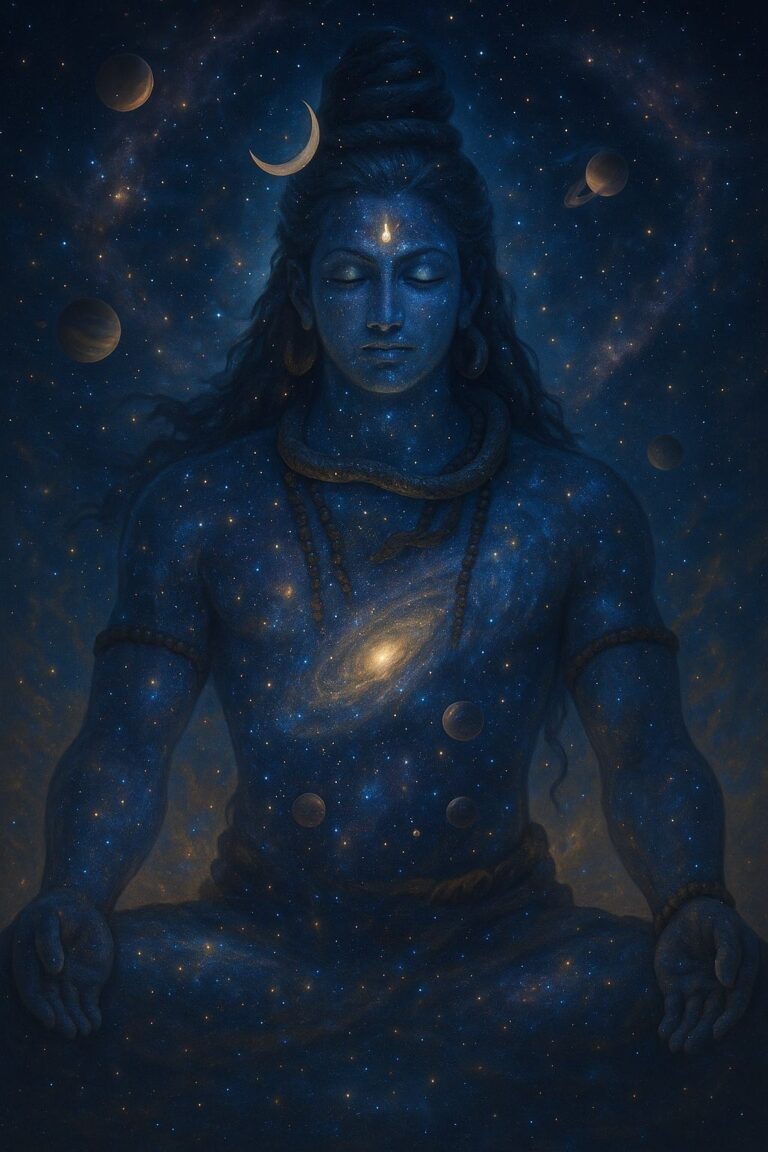
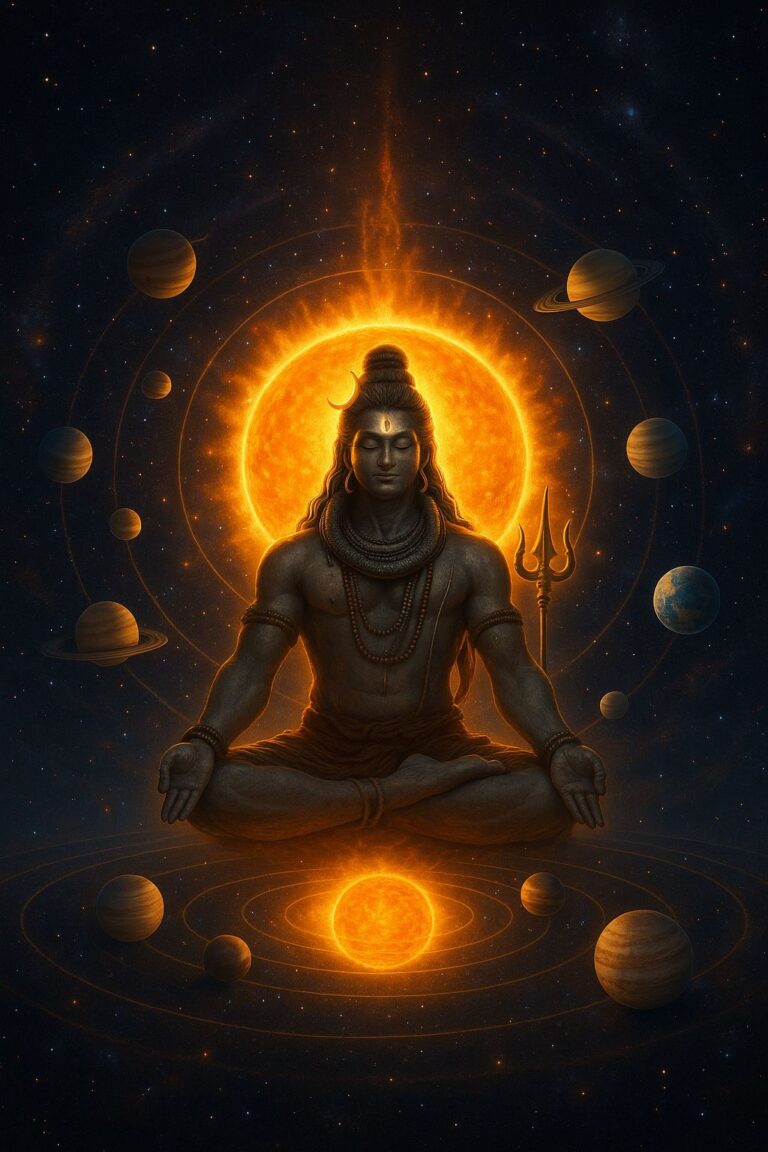
Dreams have long fascinated Indian culture, where they are treated not only as subconscious images but as messages linked with karma and cosmic patterns. Astrology provides one of the most structured ways to interpret them. The Indian astrology dreams meaning draws from planetary influences, lunar cycles, and nakshatras to explain why certain dreams appear and what they reveal about a person’s destiny. While psychology may see dreams as reflections of the mind, Vedic astrology dream meaning places them within the larger rhythm of cosmic energy.
Indian Astrology
Astrology in India has always been more than the study of planets — it is a framework for understanding human life in relation to cosmic order. In this system, dreams are not dismissed as random images of the subconscious but are treated as symbolic messages shaped by planetary energy, karmic cycles, and divine influence. The Indian astrology dreams meaning connects what happens in the night with what unfolds in waking life, offering insight into both the present and the future.
Vedic Foundations
Vedic astrology, or Jyotish Shastra, views dreams as one of the ways the soul communicates during sleep. The Brihadaranyaka Upanishad and Swapna Shastra already mentioned dreams as symbolic and predictive, linking them to planetary positions and lunar influences. The Vedic astrology dream meaning suggests that the placement of planets in the birth chart, as well as their ongoing transits, can affect the type of dreams a person experiences and how those dreams should be interpreted.
Dreams as Planetary Messages
In Indian astrology, every planet is associated with qualities, symbols, and energies that can appear in dreams. For example:
- The Moon reflects emotional states and subconscious memories, often surfacing as water-related dreams.
- Mercury brings messages or symbolic conversations.
- Saturn influences dreams of heaviness, delay, or fear, while also teaching patience.
- Ketu, the shadow planet, creates surreal or karmic dreams that may seem disconnected from reality but carry deeper meaning.
This mapping shows how the Indian astrology dreams meaning is not generalized but rooted in specific planetary energies.
Karma and Dreams
Karma is a central concept in Indian philosophy, and astrology provides tools to understand how it unfolds. Dreams are often interpreted as reflections of karmic patterns, whether from this life or previous ones. A dream during a challenging Saturn dasha, for instance, may highlight karmic responsibilities, while a dream during a Jupiter dasha may point to blessings or wisdom. In this way, the Vedic astrology dream meaning treats dreams as karmic reminders rather than random illusions.
Timing and Significance
The timing of dreams is also important in Indian astrology. Dreams that occur in the early hours of the morning, during the Brahma Muhurta (approximately 4–6 am), are considered most significant because the mind is clear and the Moon’s influence is strong. Dreams during eclipses or retrogrades are often viewed as karmically charged. Astrologers emphasize that paying attention to timing helps refine the Indian astrology dreams meaning, connecting personal experiences to broader cosmic events.
Integration with Daily Life
Unlike psychological theories that stop at interpretation, astrology integrates dreams with practical action. If someone dreams of fire during a Mars transit, it may indicate anger or conflict, and the remedy might be to perform calming rituals. If someone dreams of drowning during a Moon transit, the advice may be to seek emotional balance through meditation. This makes Vedic astrology dream meaning not just symbolic but also actionable.
Indian astrology thus transforms dreams into tools for reflection, guidance, and spiritual growth. By studying the role of planets, nakshatras, and cosmic timing, dreamers gain a roadmap for decoding the subconscious and aligning more closely with universal rhythms.
Prophetic Dreams in Hindu Astrology
Not all dreams are considered ordinary in Indian tradition. Some are believed to carry prophetic weight — visions that reveal future events, karmic warnings, or divine guidance. The Indian astrology dreams meaning distinguishes prophetic dreams from ordinary subconscious imagery by linking them with planetary alignments, nakshatra positions, and karmic timing. These dreams are treated with great seriousness in both classical texts and cultural practice.
Ancient Roots of Prophetic Dreams
The Brihadaranyaka Upanishad and texts on Swapna Shastra describe dreams as windows into hidden knowledge. Prophetic dreams are considered glimpses of destiny, where the soul connects with universal consciousness beyond the limits of waking logic. Vedic astrology dream meaning emphasizes that such dreams occur when planetary energies, particularly the Moon and Jupiter, are strongly aligned with spiritual houses in the chart.
Signs of a Prophetic Dream
Astrologers and spiritual teachers distinguish prophetic dreams through certain markers:
- Clarity: The dream feels vivid and coherent, not fragmented.
- Timing: Dreams in the early morning, during Brahma Muhurta, are more likely to be prophetic.
- Emotional Impact: Prophetic dreams often leave a strong impression that lingers upon waking.
- Repetition: If the same dream recurs, it is seen as karmic confirmation.
- Symbolic Simplicity: Unlike chaotic subconscious dreams, prophetic visions are often straightforward, such as seeing a wedding, a death, or a journey.
Astrological Conditions for Prophetic Dreams
- Moon in Sensitive Houses: When the Moon transits the 8th or 12th house, dreams are intensified and may reveal hidden truths.
- Jupiter’s Blessing: Dreams under Jupiter’s strong influence often carry wisdom, spiritual messages, or blessings.
- Eclipse Nights: Dreams seen during lunar eclipses are considered karmically charged and sometimes prophetic about family or ancestral matters.
- Saturn Periods: Prophetic dreams during Saturn dashas often show karmic obstacles, preparing the dreamer to face challenges.
Cultural Examples
Hindu folklore contains many stories of kings, saints, and devotees receiving prophetic dreams. A king may dream of a river overflowing before a flood, or a devotee may see a deity instructing them in a vision that later proves accurate. These narratives reinforce the Vedic astrology dream meaning that dreams are not illusions but part of the divine communication channel.
Purpose of Prophetic Dreams
Prophetic dreams are not meant to cause fear. Instead, they serve to prepare, guide, or reassure the dreamer. A dream of loss may inspire humility and prayer, while a dream of abundance may motivate generosity. In astrology, such dreams are seen as tools for alignment, ensuring that individuals adjust their path in accordance with cosmic rhythm.
What to Do After a Prophetic Dream
Astrologers advise recording the dream in detail, checking the Moon’s phase and nakshatra, and consulting planetary transits. If the dream suggests difficulty, remedies such as chanting mantras, donating food, or performing puja are recommended. If the dream feels auspicious, gratitude rituals like lighting lamps or offering sweets to deities help honor the blessing.
Prophetic dreams highlight how Indian astrology dreams meaning is not only psychological but deeply spiritual. The Vedic astrology dream meaning affirms that such visions are rare gifts — glimpses of destiny that guide the dreamer toward preparation, humility, and spiritual awareness.
Prophetic Dream Indicators in Hindu Astrology
| Dream Type / Symbol | Planetary or Astrological Condition | Indian Astrology Dreams Meaning | Suggested Action |
|---|---|---|---|
| Clear, vivid dream at dawn (Brahma Muhurta) | Moon strong, in favorable nakshatra | Considered karmically significant and potentially prophetic | Record details immediately, perform morning prayer |
| Recurring dream with the same theme | Moon influenced by Saturn or Ketu | Repetition signals karmic lesson or future event | Journal each occurrence, consult transit charts |
| Dream of teachers, deities, or temples | Jupiter dasha or transit influence | Prophetic guidance, wisdom, or blessings | Perform gratitude rituals, light lamp for Jupiter |
| Dream of water overflowing or floods | Moon in water nakshatra during eclipse | Possible family or ancestral message | Offer water to the Sun, perform Shraddha if linked to ancestors |
| Dream of imprisonment or burdens | Saturn transit through 12th or 8th house | Warning of upcoming obstacles or karmic test | Chant Hanuman Chalisa, practice patience and discipline |
| Dream of flying, saints, or surreal visions | Ketu dasha or nakshatra alignment | Spiritual prophetic dream, linked to detachment or past life karma | Meditate, strengthen spiritual practices |
| Dream of sudden fire, accidents, or conflict | Mars transit active or afflicted | Prophetic caution of aggression or disruption | Perform calming rituals, avoid risky decisions |
| Dream of light, authority figures, or kings | Sun strong in chart or transit | Prophetic dream about ego, leadership, or direction in life | Reflect on identity, strengthen dharmic choices |
This table helps to quickly identify whether their dream may be prophetic, how to link it with planetary or lunar conditions, and what action to take. It shows how the Indian astrology dreams meaning and the Vedic astrology dream meaning are both practical and spiritually rooted.
Planetary Links
In Indian astrology, dreams are shaped by the movements and positions of planets, each carrying distinct energy that influences the subconscious. The Indian astrology dreams meaning often depends on which planetary forces dominate at the time of the dream. Vedic astrology identifies certain planets as especially powerful in influencing dream imagery, with the Moon, Ketu, Saturn, and Mercury playing the most direct roles.
Moon – The Mirror of the Mind
The Moon represents the mind (manas) in Vedic astrology and is considered the primary ruler of dreams. Its waxing and waning phases reflect emotional shifts, while its transit through houses and nakshatras shapes dream content.
- Peaceful Moon: When the Moon is strong and well-placed, dreams are serene, often involving family, water, or nurturing images.
- Afflicted Moon: When under the influence of malefics like Rahu or Saturn, the Moon produces restless or fearful dreams, such as drowning or losing loved ones.
- Storytelling Example: In traditional accounts, a devotee under a full Moon dreamt of bathing in a sacred river. Astrologers interpreted it as a sign of purification and emotional healing.
The Vedic astrology dream meaning places the Moon at the heart of dream analysis, since it reveals the state of the subconscious more clearly than any other planet.
Ketu – Illusion and Past Life Echoes
Ketu, the shadow planet and south lunar node, governs detachment, illusion, and karmic residue. Dreams influenced by Ketu are often surreal, symbolic, or mystical.
- Typical Dreams: Flying, meeting saints, visiting unknown places, or seeing fragmented images.
- Interpretation: Such dreams often point to unresolved past life karma or spiritual lessons that the dreamer is struggling to integrate.
- Cultural Context: In Indian folklore, Ketu-related dreams are seen as glimpses into the invisible worlds, reminding the dreamer of spiritual paths they may have neglected.
Ketu’s role in Indian astrology dreams meaning is to show what lies beyond the ordinary — dreams influenced by Ketu may confuse at first, but they often push the dreamer toward detachment and spiritual growth.
Saturn – Teacher Through Fear
Saturn is the planet of discipline, obstacles, and karmic justice. When Saturn influences dreams, the imagery often feels heavy, slow, or frightening.
- Typical Dreams: Being trapped, imprisoned, burdened, or enduring long struggles.
- Purpose: These are not punishments but lessons, showing where responsibility must be accepted.
- Astrological Context: During Saturn transits or dashas, people often report recurring nightmares of delay or loss, which astrologers interpret as karmic reminders to develop patience.
The nightmares Saturn brings illustrate the Vedic astrology dream meaning of karmic correction — forcing the dreamer to confront fears and accept lessons of resilience.
Mercury – Messenger of the Subconscious
Mercury rules communication, intellect, and interpretation. In dreams, it acts as a messenger, turning subconscious impressions into symbolic narratives.
- Typical Dreams: Reading letters, receiving phone calls, hearing voices, or engaging in debates.
- Meaning: These dreams often deliver hidden advice or clarity, disguised in symbolic messages.
- Storytelling Example: A merchant dreamt of receiving a letter during a Mercury retrograde. Astrologers explained it as a warning about a delayed business deal, which later proved true.
Mercury’s influence shows how Indian astrology dreams meaning is not only symbolic but practical, helping dreamers find solutions through hidden guidance.
Other Planetary Influences
Although the Moon, Ketu, Saturn, and Mercury dominate, other planets also color dream themes:
- Mars: Fire, anger, battles, or accidents, reflecting aggression or suppressed energy.
- Venus: Romance, beauty, or wealth, often linked to desires and attachments.
- Jupiter: Teachers, temples, or wisdom figures, symbolizing guidance and blessings.
- Rahu: Chaotic, exaggerated, or bizarre dreams that magnify desires and illusions.
- Sun: Authority figures, kings, or bright light, reflecting identity, ego, and leadership.
Each planet contributes to the larger Indian astrology dreams meaning, shaping how the subconscious communicates through symbols. The Vedic astrology dream meaning stresses that planetary influences do not just create random images but deliver coded messages aligned with cosmic rhythms and karmic cycles.
Planetary Dream Symbol Mapping
| Planet | Common Dream Themes | Indian Astrology Dreams Meaning | Vedic Astrology Dream Meaning |
|---|---|---|---|
| Moon | Water, rivers, family, nurturing, emotional scenes | Reflects subconscious emotions, family ties, and inner balance | Dreams mirror the Moon’s transit, with full Moons producing intense emotional clarity |
| Sun | Kings, authority, light, fire, leadership | Signals ego, power, or struggles with identity | Dreams reveal lessons about self-expression and dharma |
| Mercury | Letters, books, conversations, voices, trade | Symbolic messages, hidden guidance, intellectual clarity | Dreams highlight problem-solving and communication lessons during Mercury periods |
| Venus | Jewelry, romance, beauty, luxury, flowers | Represents desire, love, or attachment | Dreams bring themes of harmony, indulgence, or relationship karma |
| Mars | Battles, fire, weapons, accidents, conflict | Aggression, anger, or suppressed drive | Dreams show where action or courage is required, often during Mars transits |
| Jupiter | Teachers, temples, scriptures, guidance | Wisdom, blessings, and growth | Dreams encourage dharmic choices and learning during Jupiter dashas |
| Saturn | Darkness, imprisonment, burdens, long struggles | Fears, karmic lessons, responsibility | Dreams are karmic reminders for patience and resilience |
| Rahu | Chaotic, bizarre, exaggerated or surreal images | Illusion, obsession, amplified desires | Dreams reveal attachment to material or distorted perceptions |
| Ketu | Flying, mystical beings, fragmented images, saints | Detachment, past life karma, spiritual awakening | Dreams push the dreamer toward release, detachment, or higher truth |
Nakshatra and Dasha Influence
In Vedic astrology, dreams are not only shaped by planets but also by the nakshatras (lunar mansions) and dashas (planetary periods). These two systems explain why some dreams feel especially vivid, symbolic, or karmically charged. The Indian astrology dreams meaning becomes clearer when we connect dream imagery to the nakshatra of the Moon on a given night or the ruling planet of a person’s dasha.
Nakshatra Influence
The Moon travels through 27 nakshatras during its cycle, and each nakshatra carries a distinct energy. Dreams that occur while the Moon is in a particular nakshatra often mirror its qualities.
- Water-ruled nakshatras (Revati, Purva Bhadrapada, Shatabhisha): Dreams of rivers, oceans, drowning, or purification. These often indicate emotional processing or karmic cleansing.
- Fire-ruled nakshatras (Krittika, Bharani, Magha): Dreams of fire, battles, or destruction. Interpreted as signs of transformation, warnings, or inner strength being tested.
- Air-ruled nakshatras (Swati, Shatabhisha): Dreams of flight, wind, or instability. These reflect freedom, detachment, or unsettled karma.
- Earth-ruled nakshatras (Rohini, Uttara Phalguni, Anuradha): Dreams of farming, stability, or abundance. They signal prosperity, fertility, or grounding energy.
Astrologers often note that nakshatras ruled by Rahu or Ketu, such as Ardra or Ashwini, can bring surreal, otherworldly dream imagery, while nakshatras ruled by benefics like Jupiter often bring dreams of guidance or wisdom.
Nakshatra Dream Symbol Mapping
| Nakshatra | Common Dream Themes | Indian Astrology Dreams Meaning | Vedic Astrology Dream Meaning |
|---|---|---|---|
| Ashwini | Horses, travel, speed, healing scenes | Signals new beginnings, vitality, or journeys | Dreams suggest karmic push toward healing or quick change |
| Bharani | Fire, childbirth, transformation, endings | Represents cycles of death and rebirth | Dreams indicate karmic lessons about responsibility and renewal |
| Krittika | Flames, cutting, purification, sharp tools | Purification of the mind or destructive anger | Dreams highlight karmic cleansing or decisive action |
| Rohini | Farming, abundance, beauty, fertility | Symbolizes prosperity, creativity, or attachment | Dreams show desires for material stability and nurturing |
| Magha | Ancestors, royalty, authority, rituals | Connection to lineage and ancestral karma | Dreams urge respect for tradition and ancestral guidance |
| Purva Phalguni | Relaxation, luxury, marriage, pleasure | Represents enjoyment and attachment | Dreams warn against indulgence or highlight love and union |
| Swati | Wind, independence, travel, movement | Freedom, detachment, or instability | Dreams point to karmic lessons around independence |
| Anuradha | Friendship, loyalty, devotion, rituals | Signals harmony and commitment | Dreams emphasize devotion and spiritual bonds |
| Shatabhisha | Healing, water, isolation, secrecy | Linked to hidden matters and health | Dreams may reveal karmic issues needing purification |
| Purva Bhadrapada | Fire, austerity, mystical experiences | Represents intensity and transformation | Dreams push the dreamer toward spiritual awakening |
| Revati | Oceans, rivers, journeys, endings | Symbolizes protection, transition, and closure | Dreams suggest karmic release, guidance, and safe passage |
This table shows how the Moon’s placement in nakshatras shapes dream symbolism. The Indian astrology dreams meaning emphasizes emotional and symbolic aspects, while the Vedic astrology dream meaning frames them as karmic lessons tied to destiny.
Dasha Influence
Dashas, or planetary periods, describe the unfolding of karma across life. Each dasha is ruled by a planet, and during that period, the planet’s energy colors experiences — including dreams. The Vedic astrology dream meaning of a dream often becomes sharper when analyzed alongside the dreamer’s current dasha.
- Moon Dasha: Dreams are frequent, emotional, and tied to relationships or family. Often involve water or nurturing themes.
- Saturn Dasha: Dreams may turn heavy, involving imprisonment, loss, or slow struggles. Interpreted as karmic reminders of responsibility.
- Ketu Dasha: Spiritual or surreal dreams dominate, such as flying, visions of saints, or fragmented symbolism.
- Mercury Dasha: Symbolic communication, letters, and voices appear, delivering hidden messages or solutions.
- Rahu Dasha: Dreams can become chaotic, exaggerated, or fearful, reflecting desires, illusions, and karmic turbulence.
- Jupiter Dasha: Dreams of temples, teachers, or wisdom appear, guiding the dreamer toward growth.
- Mars Dasha: Dreams of fire, aggression, or accidents highlight energy, conflict, or suppressed anger.
- Venus Dasha: Romantic, luxurious, or aesthetic dreams arise, tied to attachment and harmony.
Timing Within the Night
Astrology also pays attention to when in the night a dream occurs. Dreams in the early night are said to be less predictive, while those in the last part of sleep — especially during Brahma Muhurta (around 4–6 am) — are considered most accurate and karmically significant.
Practical Example
A person going through a Saturn dasha might repeatedly dream of being trapped in dark places. The Indian astrology dreams meaning here is not literal imprisonment but karmic lessons about patience and resilience. Meanwhile, someone in a Jupiter dasha dreaming of temples or teachers is likely receiving guidance about a spiritual path.
The interplay of nakshatra and dasha ensures that Vedic astrology dream meaning is never generic. By looking at which lunar mansion the Moon occupies and which planetary period rules the dreamer’s life, astrologers can decode why certain images appear and how they connect to the dreamer’s karmic journey.
Astrological Scenarios
Astrology emphasizes that dreams do not occur in isolation — they are often heightened or altered by cosmic events unfolding in the sky. The Indian astrology dreams meaning becomes especially potent during eclipses, retrogrades, and planetary transitions, which open windows of karmic intensity. The Vedic astrology dream meaning highlights that these scenarios create conditions where the subconscious interacts more strongly with planetary energies.
Dreams During Eclipses
Eclipses are considered highly charged periods in Indian astrology. A lunar eclipse, in particular, is believed to intensify dreams because the Moon governs the mind and emotions. Dreams during eclipses may reveal ancestral messages, karmic debts, or unresolved fears.
- Example: A person dreaming of ancestors calling their name during a lunar eclipse may interpret this as a reminder to perform Shraddha rituals.
- Meaning: These dreams are not random but karmically weighted, often urging spiritual responsibility.
Dreams During Retrogrades
Retrogrades, especially of Mercury, Saturn, or Mars, are times of revisiting unresolved issues. Dreams during retrograde periods are often repetitive, with themes that circle back to unfinished business.
- Mercury Retrograde: Dreams may involve missed messages, broken communication, or travel delays.
- Saturn Retrograde: Dreams of past responsibilities, delays, or heavy emotional burdens resurface.
- Mars Retrograde: Aggressive or conflict-based dreams reappear, symbolizing unresolved anger.
The Vedic astrology dream meaning of retrograde dreams is cyclical — they remind the dreamer that certain karmic lessons must be revisited before moving forward.
Moon Transits and Phases
Because the Moon rules the mind, its transits and phases strongly shape dream activity.
- Full Moon: Dreams are intense, often vivid, and symbolically rich. Emotional themes are magnified, making interpretations clearer.
- New Moon: Dreams may be subdued or introspective, pointing to hidden fears or subconscious desires.
- 12th House Moon Transit: When the Moon transits the 12th house in a natal chart, dreams often turn surreal, spiritual, or even prophetic.
Astrologers recommend journaling dreams during significant lunar phases, since the Indian astrology dreams meaning is amplified by the Moon’s condition.
Planetary Combustions
When planets are combust — too close to the Sun — their energies are weakened, and this often manifests in restless or confusing dreams.
- Mercury Combust: Produces jumbled dreams where communication seems unclear or distorted.
- Venus Combust: Dreams about love or relationships may feel conflicted or unstable.
- Saturn Combust: May trigger dreams of heaviness, responsibility, or exhaustion.
Combustion dreams remind the dreamer of temporary imbalances that require patience until planetary energy stabilizes.
Planetary Alignments and Conjunctions
Special alignments, like the conjunction of Saturn and Jupiter, often bring dreams that feel symbolic of larger life transitions. These dreams may include grand settings, temples, or gatherings of people, symbolizing collective as well as personal karmic change.
Timing of Dreams
Astrology also notes that dreams closer to dawn — especially during Brahma Muhurta — are more accurate or karmically significant. For example, a dream of drowning at 5 am during a Moon transit in Pisces may be interpreted as an emotional release tied to karmic cleansing, while the same dream earlier in the night might carry less weight.
Astrological scenarios demonstrate that dreams are not only about symbols but about timing. The Vedic astrology dream meaning emphasizes that eclipses, retrogrades, lunar phases, and combustions create unique windows where subconscious messages align with cosmic rhythms. This makes dream interpretation in astrology both precise and deeply connected to the movement of the heavens.
Symbolic Mapping
One of the most practical ways to interpret dreams through astrology is to map planetary symbolism onto dream imagery. Each planet governs certain qualities, emotions, and themes, which often surface in the subconscious at night. The Indian astrology dreams meaning uses this symbolic mapping to decode the hidden purpose behind dreams. The Vedic astrology dream meaning further refines this by considering planetary dignity, transits, and karmic context.
Planetary Dream Symbol Table
| Planet | Common Dream Themes | Interpretation in Indian Astrology Dreams Meaning | Cultural and Spiritual Notes |
|---|---|---|---|
| Moon | Water, rivers, family gatherings, nurturing scenes | Reflects emotional state, subconscious clarity, and inner needs | Dreams of bathing in sacred rivers during strong Moons are seen as purification omens |
| Sun | Light, authority figures, kings, fire, leadership | Signals ego, life direction, or identity struggles | Sun-related dreams during Surya transit may show karmic lessons about power and pride |
| Mercury | Letters, books, conversations, hearing voices | Indicates messages, solutions, or symbolic communication | In folk astrology, Mercury dreams are seen as divine hints or warnings |
| Venus | Romance, beauty, jewelry, luxury | Represents desires, attachment, or pursuit of harmony | Dreams of ornaments often align with Venus’s influence during Shukra dasha |
| Mars | Battles, fire, accidents, weapons | Highlights aggression, conflict, or suppressed energy | Dreams of fire are treated as Mars’s way of signaling transformation |
| Jupiter | Teachers, temples, scriptures, guidance | Brings wisdom, blessings, and spiritual growth | Jupiter-related dreams often coincide with life lessons and dharmic alignment |
| Saturn | Prisons, darkness, burdens, long struggles | Reveals karmic fears, responsibilities, or delays | Saturn’s dreams often come during sade-sati or dasha periods as karmic reminders |
| Rahu | Chaotic, exaggerated, or bizarre visions | Signals obsession, illusion, or amplified desires | Dreams during Rahu periods may feel disorienting but uncover hidden attachments |
| Ketu | Mystical beings, flying, surreal images | Represents detachment, past life karma, and spiritual lessons | Ketu-related dreams often involve saints, unknown lands, or fragmented realities |
How to Use the Mapping
Astrologers often advise that dreamers should not isolate symbols but view them in relation to planetary periods and transits. For example:
- Dreaming of fire during Mars dasha is different from the same dream during Saturn transit — one indicates aggression, the other karmic cleansing.
- A dream of jewelry under Venus influence may point to attachment, but during a Jupiter transit it could symbolize blessings and prosperity.
The symbolic mapping ensures that Indian astrology dreams meaning is not vague. Instead, it provides a structured system to interpret dreams by directly linking planetary energy to subconscious imagery. The Vedic astrology dream meaning highlights that these planetary messages are not random but part of the larger karmic roadmap each individual carries.
Practical Application
Astrology is not only about abstract symbolism — it offers methods that anyone can use to better understand their dreams. By combining daily observation with astrological tools, dreamers can transform the Indian astrology dreams meaning into practical guidance for everyday life. The Vedic astrology dream meaning becomes even more valuable when integrated with conscious practices like journaling, transit checks, and ritual reflection.
Journaling Dreams with Moon Phases
Since the Moon governs the mind, recording dreams alongside its phases helps reveal emotional cycles.
- Full Moon: Write down vivid or emotionally intense dreams. They often reveal truths about relationships or inner conflicts.
- New Moon: Record more subtle or introspective dreams. They may uncover subconscious fears or intentions for new beginnings.
- Practical Step: Keep a journal noting both dream details and the Moon phase of the night. Patterns will emerge that connect emotions with lunar rhythms.
Tracking Nakshatras
Because each nakshatra carries distinct symbolism, noting which nakshatra the Moon was in can refine Vedic dream interpretation.
- Dreams in Revati may involve water or journeys.
- Dreams in Magha may involve ancestors or authority figures.
- Practical Step: Use an astrology calendar or app to check the Moon’s nakshatra after each dream. Link dream symbols to nakshatra qualities.
Checking Planetary Transits
Planetary positions often intensify or alter dream themes.
- Example: If Saturn transits your 12th house, heavier or karmic dreams may occur.
- Example: Dreams of miscommunication during Mercury retrograde are not coincidences but reflections of planetary energy.
- Practical Step: Compare your dreams with daily transit charts to see which planets might be influencing them.
Aligning with Dashas
Dream content frequently mirrors the ruling planet of a dasha.
- During Ketu dasha, surreal or spiritual dreams are more likely.
- During Venus dasha, themes of beauty, desire, or relationships dominate.
- Practical Step: Note your ongoing dasha period and connect dreams to the symbolic qualities of that planet.
Integrating Remedies
Astrology also provides remedies when dreams reveal imbalances.
- Water-related nightmares: Practice morning ablutions or offer water to the Sun.
- Fearful Saturn dreams: Recite protective hymns like Hanuman Chalisa.
- Chaotic Rahu dreams: Perform grounding rituals such as meditation or charity.
Example in Practice
A person journaling during Mercury retrograde may notice recurring dreams of broken communication — missing trains, unread letters, or failed phone calls. By cross-checking with the transit, they understand these are Mercury-influenced dreams. Following Vedic astrology dream meaning, they might choose to repeat mantras or be extra cautious in communication during that period.
Practical application ensures that Indian astrology dreams meaning does not remain theoretical. By journaling, tracking transits, and applying remedies, dreamers gain insight into both their subconscious and their karmic path, turning dreams into daily guidance. By combining journaling, astrology, and reflection, individuals can treat Vedic dream interpretation as part of daily spiritual practice. For readers interested in symbolic and lucky number interpretations, the article on Auspicious Dreams in Hinduism and Their Connection to Lucky Numbers offers further context.
Reflective Prompts
Astrology provides structure for dream interpretation, but self-reflection ensures those insights translate into personal growth. The Indian astrology dreams meaning teaches that dreams mirror planetary influences, while the Vedic astrology dream meaning emphasizes that each dream carries a karmic lesson. Reflection helps bridge these two perspectives, allowing dreamers to integrate cosmic messages into daily choices.
Why Reflection Matters
Dreams reveal symbols, but without reflection they remain abstract. By asking guided questions, the dreamer connects planetary influence to personal experience. This practice turns dreams into a dialogue between the subconscious and the cosmos.
Reflective Questions for Astrology-Based Dream Work
- What current planetary transit could shape my dream?
Purpose: To connect dream imagery with cosmic rhythms.
Suggested Step: Check Moon transits or planetary retrogrades the day after a significant dream. - Did the dream occur near an eclipse, retrograde, or important lunar phase?
Purpose: To identify if the timing intensified its meaning.
Suggested Step: Record dream timing alongside astrology events in a journal. - Which planet’s symbolism appeared most clearly in the dream?
Purpose: To decode dream content through planetary themes.
Suggested Step: Map symbols to planets — fire to Mars, water to Moon, communication to Mercury. - What karmic lesson might this dream be pointing toward?
Purpose: To interpret dreams as guidance rather than random images.
Suggested Step: Reflect on whether the dream suggests patience, generosity, detachment, or responsibility. - How can I act on this dream in daily life?
Purpose: To transform astrology insights into practical changes.
Suggested Step: Align actions with dream themes — chant a mantra, offer charity, or strengthen emotional balance.
Example of Reflection in Action
A person dreaming of temples and teachers during a Jupiter transit may ask: What lesson is Jupiter showing me? The reflective answer could be to focus on learning, seek guidance, or engage in spiritual practice. Here the Vedic astrology dream meaning is not just symbolic but directive, guiding the dreamer toward dharmic choices.
Reflection prompts ensure that astrology-based dream interpretation is not passive. They help transform cosmic symbolism into conscious living, aligning personal growth with planetary rhythms.
Conclusion
Dreams in Indian astrology are never treated as meaningless. The Indian astrology dreams meaning shows that each vision is shaped by planetary influence, nakshatras, dashas, and cosmic timing. Whether a dream arises under the Moon’s calm reflection, Saturn’s heavy lessons, or Ketu’s surreal energy, it is understood as a coded message about emotions, karma, or destiny.
The Vedic astrology dream meaning emphasizes that dreams are part of a larger cosmic dialogue. They mirror subconscious states but also reveal karmic lessons and divine guidance. By journaling, tracking transits, reflecting on planetary themes, and applying remedies, dreamers can turn even fleeting dream images into practical tools for self-awareness and growth.
Ultimately, astrology serves as a roadmap for decoding the subconscious. Dreams reveal what lies beneath the surface, while astrology provides the key to interpret them. Together, they help individuals align with both inner truth and universal rhythm, transforming dreams into opportunities for clarity, balance, and spiritual evolution.
FAQ on Indian Astrology Dreams Meaning
What is the Indian astrology dreams meaning?
The Indian astrology dreams meaning is that dreams are shaped by planetary influences, nakshatras, and karmic cycles. They are not random but reflect emotional states, spiritual lessons, and guidance from the cosmos. For example, dreams of water may relate to the Moon’s position, while surreal visions often connect with Ketu.
What is the Vedic astrology dream meaning?
The Vedic astrology dream meaning is that dreams are part of the karmic blueprint, influenced by planetary dashas and transits. Dreams during Jupiter periods may bring wisdom, while those in Saturn dashas can highlight fears or responsibilities. This perspective treats dreams as karmic messages rather than illusions.
Which planets affect dreams in Indian astrology?
The Moon, Ketu, Saturn, and Mercury have the strongest influence. The Moon reflects emotions, Ketu brings surreal or karmic visions, Saturn shapes heavier or fearful dreams, and Mercury delivers symbolic messages. Other planets such as Mars, Venus, and Jupiter also appear in dream themes depending on the astrological period.
Do nakshatras influence dreams in Vedic astrology?
Yes, nakshatras play a key role. Water nakshatras like Revati may produce dreams of oceans or rivers, while fire nakshatras such as Bharani or Magha may bring dreams of fire or transformation. Astrologers use the nakshatra of the Moon to refine dream interpretation.
What dreams are significant in Indian astrology?
Dreams seen during Brahma Muhurta (around 4–6 am) are considered the most meaningful. Dreams during eclipses or retrogrades are also seen as karmically significant, carrying messages that may reveal ancestral ties or unresolved lessons.
How can I apply Indian astrology to my dreams?
Practical steps include journaling dreams with Moon phases, noting nakshatras, and checking planetary transits. Remedies such as mantra chanting, ritual bathing, or charity are often suggested if dreams reveal imbalance. This approach helps turn dream symbols into actionable insights.
Are dreams in astrology predictive of the future?
In Indian astrology, dreams are not always literal predictions but symbolic guidance. A dream of fire may not mean disaster but can indicate transformation or suppressed anger. The Vedic astrology dream meaning highlights that dreams point to karmic patterns and lessons that shape future choices.