Swapna shastra is an ancient branch of Indian knowledge that focuses on interpreting dreams and understanding their significance. Rooted in Vedic astrology and Hindu philosophy, it offers insights into how dreams can reflect future events, personal emotions, and spiritual messages. In traditional belief, dreams are not random mental images but a symbolic language through which the subconscious and the divine communicate with the dreamer.
In this guide, you will find a reference to some of the most common symbols mentioned in swapna shastra, along with their traditional interpretations. These meanings are often influenced by the time the dream occurs, the dreamer’s mental state, and planetary positions. While swapna shastra provides a symbolic framework, interpretations may vary according to individual circumstances.
Auspicious Symbols In Swapna Shastra
In swapna shastra, auspicious dreams are believed to signal blessings, good fortune, and spiritual progress. They often involve symbols of prosperity, purity, and divine protection.
- Gold And Precious Gems – Seeing gold, diamonds, or other valuable gems indicates wealth, honor, and the fulfillment of desires. In Vedic astrology, such dreams are linked to the influence of benefic planets like Jupiter and Venus.
- Clear Water – Dreaming of drinking or seeing clear water symbolizes peace, emotional stability, and positive change. It can also suggest spiritual cleansing and renewal.
- Flying – Dreams of flying represent liberation from obstacles and spiritual elevation. They may point to success in upcoming ventures or the overcoming of challenges.
- Receiving Flowers – Being given flowers, especially fragrant ones, symbolizes love, joy, and harmonious relationships.
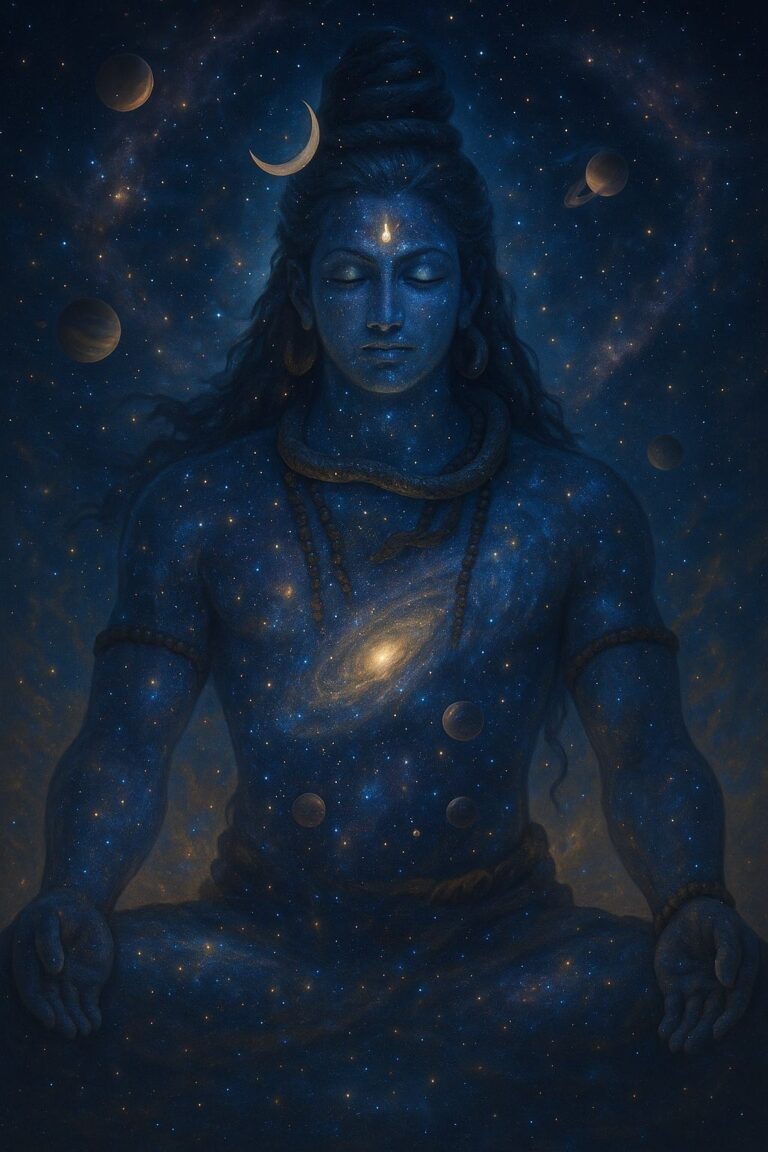
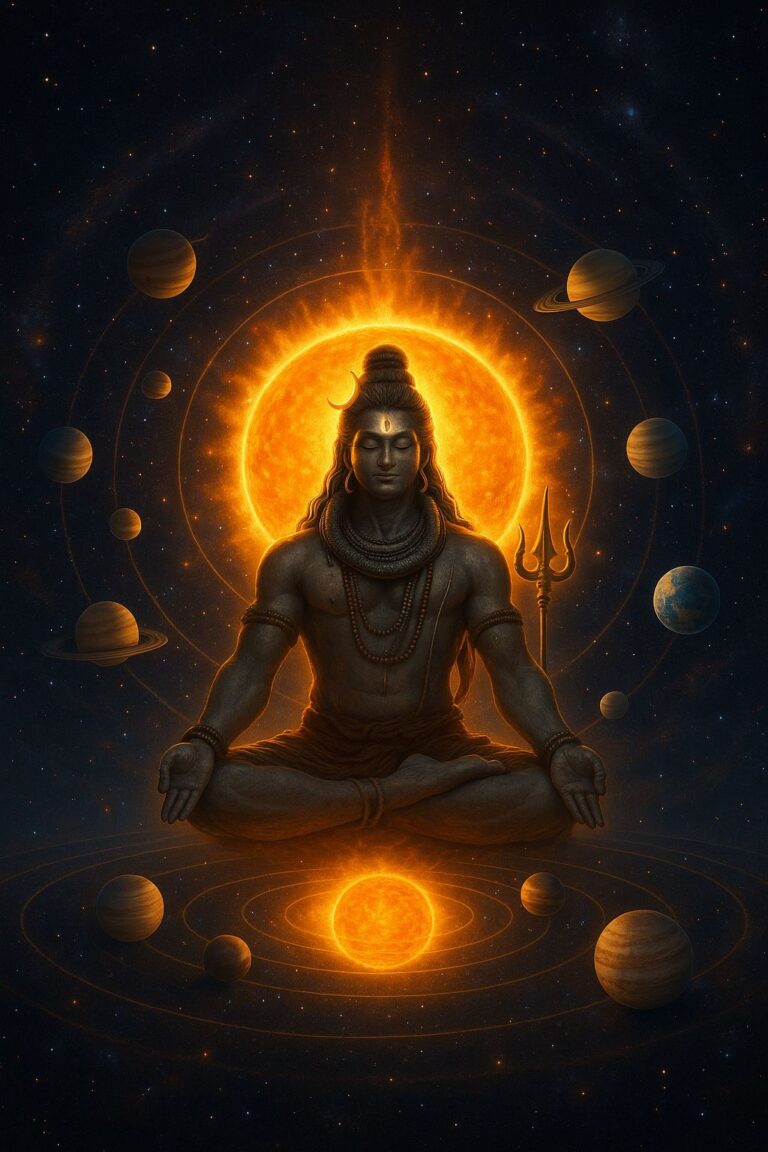
- Sacred Statues – Seeing or worshipping a deity’s statue in a dream is considered highly auspicious, indicating divine blessings and protection. You can learn more about such visions in the context of the dream of Lord Shiva statue.
Inauspicious Symbols In Swapna Shastra
Not all dreams carry positive meanings. In swapna shastra, certain symbols are seen as warnings of challenges, losses, or unfavorable circumstances. These dreams should be taken as guidance to take preventive measures in waking life.
- Teeth Falling Out – A common inauspicious sign linked to loss, disputes within the family, or health concerns.
- Walking In Mud – Symbolizes being trapped in a difficult situation or encountering obstacles in personal or professional life.
- Dirty Or Torn Clothes – Often interpreted as a sign of dishonor, financial troubles, or poor health.
- Being Chased By Animals – Indicates unresolved fears, hidden enemies, or upcoming conflicts.
- Dark Or Stormy Skies – Represents uncertainty, emotional unrest, and possible negative events.
Spiritual And Transformational Symbols
Some dreams are neither entirely auspicious nor inauspicious but carry deep spiritual messages. Swapna shastra highlights the importance of such dreams in guiding the dreamer toward self-awareness and transformation.
- Snakes – In many cases, snakes represent kundalini energy, spiritual awakening, or hidden fears. The meaning often depends on the color and behavior of the snake.
- Fire – Can signify purification, destruction of negativity, or intense transformation. In some cases, it warns of anger or danger.
- Temple Visits – Dreaming of visiting a temple often indicates spiritual elevation and divine blessings.
- Deity Dreams – Seeing or speaking to a deity is considered a powerful message. For example, in the dream of Lord Shiva talking, such a vision may be seen as a sign of guidance and protection.
Nature And Element Symbols
Nature often plays a key role in dream symbolism within swapna shastra. The elements can represent emotional states, opportunities, and challenges.
- Mountains – Symbolize strength, stability, and the journey toward achieving goals. Climbing a mountain can reflect overcoming challenges.
- Rain – Generally a positive sign indicating blessings, fertility, and emotional release.
- Sunrise – Represents new beginnings, opportunities, and hope.
- Storms – Reflect emotional turmoil, conflicts, or significant changes ahead.
Timing, Planetary Influence, And Tithi Connection
In swapna shastra, the timing of a dream is considered crucial in determining its significance. Dreams that occur during the early morning hours, particularly before sunrise, are believed to be more likely to come true. This belief connects closely to concepts in early morning dreams in Hinduism, where the final stage of sleep is seen as spiritually receptive.
Planetary influences also play a role. For example, dreams during a Moon-dominated tithi (lunar day) may relate to emotions, while dreams under the influence of Jupiter can indicate spiritual growth or prosperity.
Common Animal Symbols In Swapna Shastra
Animal imagery is frequent in dreams, and each creature carries its own meaning in swapna shastra.
- Elephants – Represent wisdom, power, and prosperity.
- Cows – Signify purity, nurturing energy, and blessings.
- Tigers – Indicate strength, courage, or confrontation with danger.
- Birds – Can symbolize freedom, communication, and spiritual messages. Certain bird-related dreams, such as those in spiritual meaning of birds flying around you, may have unique interpretations.
How To Interpret Dreams Using Swapna Shastra
Understanding swapna shastra is not only about memorizing symbols but also about considering context. The same dream symbol can have different meanings depending on your emotional state, current challenges, and life circumstances.
Steps For Interpretation:
- Record The Dream Immediately – Note details such as time, symbols, emotions, and any conversations or events within the dream.
- Identify The Main Symbols – Focus on the strongest or most memorable elements.
- Consider The Timing – Dreams in the early morning or during certain lunar days are often seen as more significant.
- Reflect On Your Current Life Situation – Personal context can shift the meaning entirely.
- Seek Knowledge From Trusted Sources – Use guides like this and consult learned individuals if the dream feels spiritually important.
Caution Against Over-Interpretation
While swapna shastra offers valuable insights, it is important to remember that not every dream carries a prophetic or spiritual message. Some dreams may simply be reflections of the subconscious mind, stress, or daily life experiences. Over-interpreting can lead to unnecessary worry or false expectations.
Conclusion
Swapna shastra remains a fascinating and culturally rich system for understanding dreams within the framework of Vedic astrology. By learning the meanings of common symbols, paying attention to timing, and reflecting on personal circumstances, you can gain deeper insights into your inner world and potential life paths.
Dreams are a bridge between the conscious and the subconscious, and in the wisdom of swapna shastra, they can also be a connection to the divine. Used thoughtfully, these interpretations can help guide decisions, encourage self-reflection, and provide reassurance during uncertain times.