Dreams have intrigued people for centuries, serving as a source of curiosity, inspiration, and sometimes guidance. In Islamic tradition, dreams hold a special place, often discussed in connection with faith, divine messages, and personal reflection. For those asking in Islam what do dreams mean, the answer involves a blend of spiritual understanding, teachings from the Qur’an and Hadith, and centuries of scholarly interpretation.
In Islam, dreams are not seen as random mental events but as potential signs, warnings, or reflections of the dreamer’s state of heart and mind. While not all dreams carry prophetic significance, the Islamic view provides a clear framework for identifying when a dream might be meaningful and how to approach it responsibly.
The Importance Of Dreams In Islamic Teachings
Islamic tradition places dreams within a spiritual context. Prophet Muhammad (peace be upon him) described dreams as one of the remaining parts of prophethood, particularly true dreams that come from Allah. This elevates certain dreams to a respected position in a believer’s life.
Dreams are also mentioned in the Qur’an, most famously in the story of Prophet Yusuf (Joseph), who both experienced and interpreted dreams. His ability to interpret accurately was described as a gift from Allah, showing that dreams can serve as tools for guidance and preparation.
The Three Types Of Dreams In Islam
When addressing in Islam what do dreams mean, Hadith literature outlines three main categories:
- True Dreams (Ru’ya): These are considered messages from Allah. They are often clear, positive, and may come as glad tidings or guidance.
- Dreams From The Self (Hulum): These are influenced by the dreamer’s own emotions, daily life, and subconscious thoughts. They do not carry spiritual messages but can offer personal insights.
- Dreams From Shaytan: These are disturbing or frightening dreams meant to cause fear or sadness. Believers are instructed not to share such dreams and to seek refuge in Allah from their effects.
This classification helps Muslims differentiate between dreams that may require reflection or action and those that should be dismissed.
Characteristics Of True Dreams
True dreams are often associated with certain features:
- They may occur in the early morning hours before Fajr prayer, a time considered spiritually elevated.
- The dream is vivid, remembered clearly, and feels significant upon waking.
- It aligns with Islamic principles and does not contradict the Qur’an or Sunnah.
For example, a dream that inspires increased prayer, charity, or moral improvement may be seen as a true dream. This belief parallels the respect given to specific dream timings in other traditions, such as early morning dreams in Hinduism, though the theological context is different.
The Role Of Dream Interpretation In Islam
Dream interpretation has a long history in Islamic scholarship. Classical scholars like Ibn Sirin wrote extensively on symbolic meanings in dreams, drawing on Qur’anic verses, Hadith, and personal experience.
However, Islam advises caution. Not every dream needs to be interpreted, and interpretations should be sought from knowledgeable and trustworthy individuals. False or misleading interpretations can cause confusion, so the process is approached with humility and care.
Common Themes And Their Meanings
When exploring in Islam what do dreams mean, certain recurring themes are often discussed:
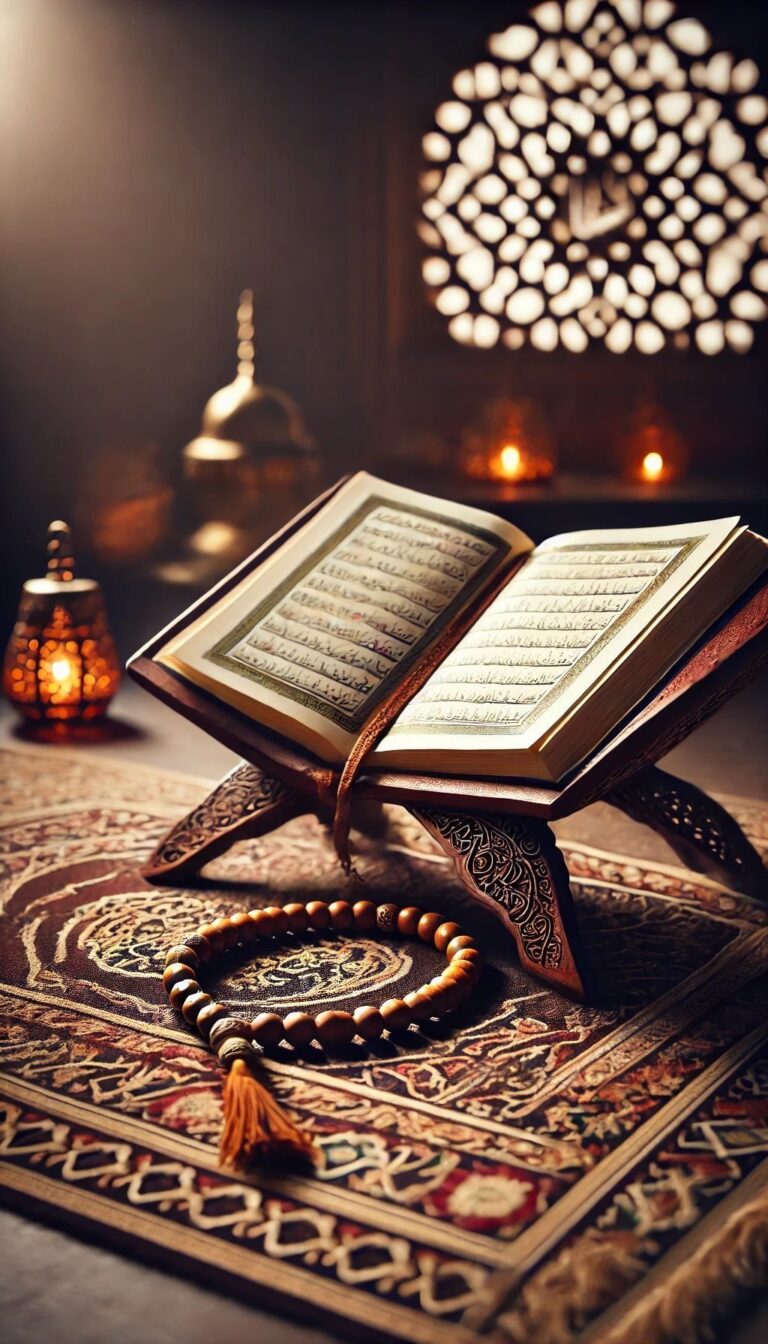
- Seeing The Qur’an: May symbolize guidance, wisdom, or a call to strengthen one’s faith.
- Performing Prayer: Suggests piety, spiritual commitment, and divine approval.
- Water: Often symbolizes purity, knowledge, or life changes.
- Traveling: Can represent life’s journey, spiritual progress, or transitions.
- Light: A common symbol of divine presence, clarity, and truth.
These symbols are not fixed in meaning. The dreamer’s personal context and the dream’s emotional tone play crucial roles in accurate interpretation.
Islamic Etiquette Regarding Dreams
The Prophet Muhammad (peace be upon him) taught specific etiquettes for handling dreams:
- Share good dreams only with those who will be supportive and trustworthy.
- Do not share bad dreams with anyone.
- If a bad dream occurs, seek refuge in Allah, spit lightly to the left three times, and change sleeping position.
- Act upon positive dreams in ways that align with Islamic values, such as increasing good deeds.
These guidelines protect the dreamer from unnecessary anxiety and help focus on the beneficial aspects of dreams, when trying to find an answer in Islam what do dreams mean specifically.
Cultural Influence On Dream Interpretation
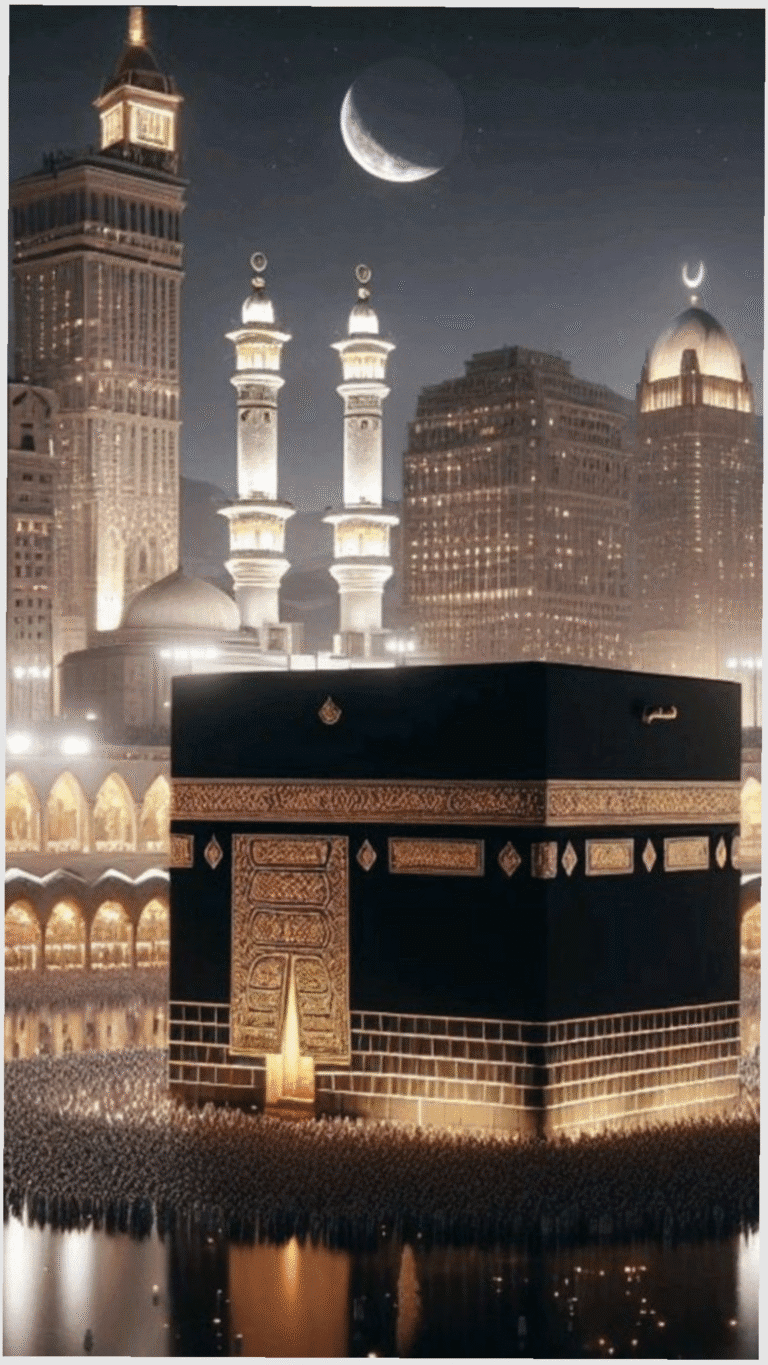
While the foundation for dream meaning in Islam comes from Qur’an and Sunnah, cultural traditions also shape how dreams are perceived. In South Asia, for example, dreams might be discussed within family circles, and symbolic interpretations are influenced by regional customs. In Arab cultures, emphasis may be placed on dreams involving religious practices or sacred places like Makkah and Madinah.
Despite these variations, the respect for true dreams and the caution toward false ones remain consistent across Muslim communities.
The Purpose Of Dreams From An Islamic Perspective
Islam views meaningful dreams as tools for:
- Spiritual Encouragement: Strengthening a believer’s connection to Allah.
- Guidance: Offering direction or reassurance in times of uncertainty.
- Warning: Alerting the dreamer to potential harm or wrongdoing.
- Reflection: Encouraging self-examination and moral growth.
This aligns with the belief that Allah communicates with believers in various ways, and dreams can be among them.
Balancing Dreams And Daily Life
While dreams can be inspiring, Islam teaches that they should not replace daily obligations or rational decision-making. A believer’s primary guidance comes from the Qur’an, Sunnah, and sound reasoning. Dreams are supplementary – they can inspire, warn, or comfort, but they are not infallible.
Scholars often remind believers that focusing too much on dreams can lead to misunderstanding or superstition. Maintaining balance ensures that dreams serve their intended purpose without becoming a distraction.
Modern Discussions On Islamic Dream Interpretation
In the modern era, the topic of in Islam what do dreams mean is discussed not only in mosques and religious gatherings but also on digital platforms. Online resources, YouTube lectures, and dedicated Islamic apps have made dream interpretation more accessible, but they also come with the risk of misinformation.
For this reason, many scholars recommend verifying interpretations with qualified sources and avoiding dependence on generic dream dictionaries that lack Islamic grounding.
Related Symbolic Dreams
Dream themes in Islam often intersect with one another. For example, a dream involving the Qur’an could also involve teaching or giving it to someone, similar to interpretations discussed in giving Quran to someone in dream. Such layered dreams may have multiple points of reflection for the dreamer, connecting different symbolic elements.
Final Thoughts
For those wondering in Islam what do dreams mean, the answer lies in a structured understanding that blends divine guidance, prophetic teachings, and personal reflection. Dreams can serve as reminders of faith, sources of comfort, or warnings to improve one’s life.
By recognizing the types of dreams, respecting the etiquettes taught by the Prophet Muhammad (peace be upon him), and seeking trustworthy interpretations when needed, believers can make the most of their dream experiences without falling into misinterpretation or superstition.
Ultimately, while dreams may offer valuable insights, they remain one of many ways to draw closer to Allah, inspire positive action, and strengthen spiritual awareness.