Dreams have held deep spiritual meaning in Hinduism for thousands of years. In many sacred texts, dreams are seen as messages from the divine or reflections of one’s spiritual state. If you’ve experienced a dream where you saw a deity, you may be wondering what it means. The question of seeing god in dream Hinduism is more than just symbolic curiosity – it often points to transformation, protection, or karmic evolution.
In this article, we’ll explore how different Hindu traditions interpret dreams about gods, what it means to see specific deities, and how such dreams might relate to your current life path or spiritual growth.
Quick Meaning
Seeing God in a dream in Hinduism is a powerful sign of heightened awareness, karmic activation, or inner alignment. It usually reflects guidance, protection, or a moment when the mind becomes receptive to truth beyond everyday concerns. Such dreams often appear during important transitions, emotional stress, or periods of sincere reflection.
The meaning depends less on which deity appears and more on how the presence feels. Calm, light, or reassurance points to blessing and support. Silence, distance, or intensity suggests correction, responsibility, or the need for honesty. In both cases, the dream is not about prediction but about awareness. Seeing God in a dream signals that something meaningful is unfolding internally. It invites attention, humility, and conscious action rather than fear or expectation.
If you are asking what seeing God in dream Hinduism means, the short answer is this: it usually reflects blessing, correction, or awakening. A calm divine presence points to protection and reassurance. A silent, distant, or intense presence points to responsibility, dharma, or truth you need to face. In Hindu tradition, such dreams are rarely random and are usually treated with seriousness and humility.
Is Seeing God in a Dream a Good or Bad Sign?
In Hinduism, seeing God in a dream is most often understood as a good sign and a blessing, but not always in a simplistic or comforting sense. Such dreams are considered significant because divine visions do not usually appear randomly. They arise when awareness is heightened, when karma is active, or when the mind is receptive to guidance.
As a good sign, seeing God in a dream often reflects protection, reassurance, or alignment with dharma. These dreams may appear during times of confusion, fear, or important life decisions, offering inner stability rather than direct instructions. When the presence of God feels calm, luminous, or compassionate, the dream typically signals support and spiritual grounding.
However, in some cases, seeing God can function as a warning or corrective message. This does not imply punishment or bad fate. Instead, it reflects a moment when conscience, responsibility, or neglected duties are being brought into awareness. Dreams where God appears silent, distant, or solemn often point to inner imbalance, ethical conflict, or avoidance of truth rather than external danger.
Context matters deeply. A peaceful encounter suggests harmony and readiness. A dream that evokes fear, guilt, or discomfort usually highlights areas that need correction or honesty. In Hindu interpretation, God does not appear to frighten, but to awaken.
It is also important to understand that such dreams do not predict guaranteed outcomes. They do not promise success nor threaten failure. They indicate moments when awareness is required. How the dreamer responds in waking life determines whether the experience unfolds as protection, redirection, or inner transformation.
In summary, seeing God in a dream is rarely a bad sign. Whether it feels like a blessing or a warning depends on the dreamer’s state of mind and actions afterward. In Hinduism, divine dreams guide awareness rather than control destiny.
Common Scenarios Of Seeing God In Dream Hinduism
Hindu tradition teaches that divine visions in dreams can carry different meanings depending on the form, actions, and emotions involved. Seeing god in dream Hinduism is not a single interpretation but a range of possible messages. Below are some of the most significant scenarios and how they may be understood.
God Speaking In Dream Hinduism
When God speaks in a dream in Hinduism, the dream is usually interpreted as a stronger form of guidance than a silent vision. The message should not be treated as a literal command immediately. Instead, it should be compared with dharma, conscience, and the overall emotional tone of the dream. If the words bring peace and clarity, the dream leans toward blessing. If they bring weight, responsibility, or discomfort, the dream may be calling for correction.
Key insights:
- When a deity speaks in a dream, it is often considered the most powerful form of divine vision.
- The message may come as clear words, guidance, or even a riddle that requires reflection.
- Scriptures and saints’ stories emphasize that such dreams should inspire humility and careful consideration, not impulsive action.
- The dreamer is encouraged to compare the message with dharma and scripture to confirm its truth.
Seeing God In A Temple vs an Unfamiliar Place
Seeing God in a temple in a dream is one of the clearest auspicious forms of divine imagery in Hinduism. The temple setting adds order, purity, and sacred confirmation to the dream. This combination often appears when the dreamer needs reassurance, spiritual grounding, or confirmation that devotion is being received.
If the God appears in a non-sacred or chaotic place, the dream may signal a need for purification. It could suggest that the dreamer must bring more order and devotion into their daily life.
God as Child vs Majestic Form
- Child Form – Gods appearing as children, such as baby Krishna, symbolize innocence, love, and playfulness. They may remind the dreamer to nurture devotion with purity and joy.
- Majestic Form – When deities appear in their grand or cosmic forms, such as Vishnu’s Virat Rupa or Shiva in fierce form, the dream often inspires awe or reverence. It may reflect the vastness of divine power and the need for humility.
Dreaming of Worshipping vs Observing Passively
- Worshipping God in a Dream – Actively offering flowers, chanting, or bowing in the dream reflects sincere devotion and is usually seen as a blessing.
- Observing Without Acting – Simply watching the deity without engaging may suggest spiritual distance. The dreamer may be called to deepen their practice and move from passive belief to active devotion.
God Blessing You In Dream or Giving Something
- Receiving a blessing, touch, or gift from a deity in a dream is considered highly auspicious.
- Items such as flowers, prasad, or symbolic objects (conch, lotus, weapons) may carry specific meanings — protection, prosperity, or wisdom.
- Such dreams often inspire gratitude and renewed spiritual commitment.
Seeing God but Feeling Fear or Unease
- Not every vision of God comes with peace. Sometimes the dreamer feels fear, trembling, or uneasiness.
- This may reflect guilt, unresolved mistakes, or a reminder of neglected duties.
- In Hindu epics, deities often appear in fierce forms to correct or warn, so such dreams can be calls to self-examination and discipline.
Dreaming Of God Idols
Dreaming of God idols in Hinduism usually symbolizes divine presence in a symbolic, visible, and approachable form. This kind of dream often points to devotion, protection, blessing, and the need to reconnect with faith, prayer, or spiritual stability. The idol itself may reflect the qualities of the specific God you saw, but in general, it suggests that sacred energy is entering your awareness in a form your mind can recognize clearly.
If the idols look beautiful, bright, peaceful, or decorated, the dream is usually a positive sign. It may reflect grace, support, and emotional reassurance. If the idols are broken, neglected, or unsettling, the dream may point to spiritual disconnection, inner imbalance, or the need to restore faith and clarity in your life.
Dreaming Of Praying To God
Dreaming of praying to God usually symbolizes surrender, devotion, emotional need, and the desire for help, protection, or guidance. In Hindu dream interpretation, this scenario often appears when you are going through stress, confusion, or an emotionally heavy phase and your inner self is turning toward the divine for support.
This dream may point to:
-
spiritual openness
-
humility
-
the need for guidance
-
emotional healing through devotion
-
hope during uncertainty
If the prayer feels peaceful and sincere, the dream is usually a good sign of inner alignment and spiritual support. If it feels desperate or tearful, it may show that your soul is asking for relief, clarity, or strength.
Seeing God Repeatedly In Dreams
Seeing God repeatedly in dreams usually makes the message stronger. A repeated God dream often suggests that the symbol should not be dismissed as random because the same spiritual image keeps returning to your awareness. In Hinduism, this may be interpreted as an important sign of guidance, blessing, correction, or a call to pay closer attention to your spiritual life.
Repeated dreams of God may point to:
-
an unfinished spiritual message
-
strong divine reassurance
-
a need for devotion or discipline
-
inner transformation happening over time
-
a life issue that needs spiritual reflection
The meaning becomes even more important if the same God appears again and again, if the emotional tone stays strong, or if the dream leaves a lasting effect after waking.
Seeing More Than One God In Dream
Seeing more than one God in a dream usually symbolizes powerful spiritual support, layered guidance, or the presence of multiple divine qualities in your life at once. In Hindu interpretation, different Gods represent different forces such as protection, wisdom, transformation, prosperity, or removal of obstacles, so seeing several together can suggest a spiritually significant phase.
This dream may reflect:
-
strong divine blessing
-
support from different energies at once
-
a major turning point
-
the need to understand multiple areas of life
-
a spiritually charged period of growth
If the dream feels peaceful and sacred, it is usually a very positive sign. If the dream feels intense or overwhelming, it may suggest that many forces, lessons, or karmic themes are active in your life at the same time.
Other Scenarios
- God Surrounded by Devotees – Symbolizes the power of collective worship and may inspire the dreamer to seek community devotion (satsang).
- God Silent or Turning Away – Can signify distance from faith, or a warning to realign with dharma.
- Multiple Deities Appearing Together – Represents harmony of different divine aspects, reminding the dreamer that truth is many-sided and inclusive.
- God Disappearing Suddenly – May symbolize fleeting faith or the importance of not delaying devotion.
Summary Table of Scenarios
| Scenario | Possible Meaning | Reflection / Action |
|---|---|---|
| God speaks in dream | Direct guidance, divine instruction | Reflect deeply, compare with scripture, seek spiritual counsel |
| Seeing God in temple | Sacred reassurance, protection | Continue devotion, offer gratitude at temple |
| God in unfamiliar place | Need for purification, reminder of spiritual order | Cleanse lifestyle, increase prayer and meditation |
| God as child | Innocence, love, playfulness | Approach devotion with joy and purity |
| God in majestic form | Awe, reverence, reminder of divine power | Practice humility, deepen worship |
| Worshipping in dream | Sincere devotion, blessing | Maintain bhakti, continue spiritual practices |
| Observing passively | Spiritual distance, call to action | Engage more actively in puja and service |
| God blessing or giving something | Protection, prosperity, wisdom | Accept with gratitude, act on blessings through seva and devotion |
| Feeling fear or unease in vision | Guilt, unresolved duties, correction of path | Self-reflection, repentance, recommitment to dharma |
| God surrounded by devotees | Collective worship, shared strength | Seek satsang, community prayer |
| God silent or turning away | Spiritual distance, warning | Reconnect through prayer, scripture, and humility |
| Multiple deities appearing | Harmony, balance of divine aspects | Recognize unity within diversity of Hindu belief |
| God disappearing suddenly | Fleeting faith, urgency of devotion | Strengthen consistency in worship and avoid procrastination |
Dreams of the divine are among the most sacred experiences in Hindu tradition. Yet their meanings depend heavily on context. In every scenario, the true value lies not only in the vision but in the dreamer’s response — whether by deepening devotion, correcting mistakes, or embracing dharmic responsibility.
Seeing God in a Dream in Hinduism – Lucky Numbers
In Hindu dream interpretation, seeing God in a dream is connected to awareness, karma, and alignment with dharma rather than random fortune. Lucky numbers associated with such dreams do not work through risk or impulse. They function through timing, clarity, and ethical action. These numbers tend to support decisions made with humility, patience, and inner balance.
Divine dreams activate numbers that reflect spiritual order, completion of karmic cycles, and protection. Below is a detailed explanation of how lucky numbers relate to seeing God in a dream in Hinduism.
1
The number 1 represents unity and focused awareness. When God appears clearly in a dream, this number often reflects a moment of inner clarity where an independent, conscious decision is required. It supports new beginnings rooted in truth rather than ego.
3
Three symbolizes harmony between body, mind, and spirit. In dreams of seeing God, 3 often appears when balance is being restored after confusion or emotional strain. It supports calm progress and alignment.
7
Seven is the most common lucky number associated with seeing God in a dream. It represents spiritual awakening, protection, and purification. When the divine presence feels peaceful or luminous, 7 reflects guidance and inner reassurance.
9
Nine is linked to completion and karmic closure. When seeing God in a dream coincides with endings, forgiveness, or letting go, this number reflects the closing of an old chapter and readiness for a new one.
11
Eleven represents heightened intuition and awareness. In dreams where God appears silently, from a distance, or without form, 11 reflects inner guidance and the need to trust intuition rather than external validation.
12
Twelve symbolizes order, discipline, and divine structure. Dreams of God that involve temples, rituals, or responsibility often align with this number. It supports steady, disciplined choices.
21
Twenty-one reflects correct timing and natural unfolding. When seeing God in a dream brings a sense of patience or reassurance rather than urgency, this number supports waiting for alignment rather than forcing outcomes.
27
Twenty-seven is associated with spiritual maturity and sustained effort. It often appears when divine dreams relate to long-term duty, service, or ethical responsibility.
108
One hundred eight is a sacred Hindu number representing cosmic completeness. In rare and intense dreams of God, especially those involving deep devotion, light, or transcendence, 108 reflects total alignment rather than material luck.
It is important to understand that lucky numbers linked to seeing God in a dream are not meant for speculation. They support reflection, timing, and conscious action. The calmer and more grounded the dream feels, the more naturally these numbers tend to align in waking life.
In essence, lucky numbers in divine dreams reinforce awareness over chance. When actions follow clarity and humility, favorable outcomes tend to unfold without force.
Seeing God in a Dream in Hinduism – Lucky Numbers by Scenario (Summary Table)
| Dream Scenario | Lucky Numbers | What They Indicate |
|---|---|---|
| Seeing God clearly and calmly | 7, 21 | Protection, reassurance, correct timing |
| God appearing as light or radiance | 7, 108 | Spiritual alignment, divine presence |
| God blessing you | 3, 7 | Balance restored, guidance |
| God speaking or giving a message | 11, 27 | Intuition, responsibility, long-term duty |
| God appearing silently | 11, 21 | Inner guidance, patience required |
| Seeing God from a distance | 12, 21 | Order forming, timing not yet |
| Seeing God during fear or distress | 7, 9 | Protection, karmic closure |
| Seeing God during prayer or devotion | 7, 108 | Deep alignment, spiritual support |
| God appearing serious or solemn | 9, 12 | Correction, ethical responsibility |
| Seeing God repeatedly in dreams | 11, 27 | Ongoing karmic lesson, awareness |
| God appearing in a temple | 7, 12 | Dharma, disciplined growth |
| God appearing at crossroads or turning point | 1, 9 | New beginning after closure |
| God guiding your path | 3, 21 | Balanced progress, right timing |
| God disappearing suddenly | 5, 14 | Transition, need to stabilize |
| Feeling peace after seeing God | 7, 21 | Inner clarity, trust restored |
| Feeling fear or guilt after seeing God | 9, 11 | Self-reflection, inner correction |
| God appearing with symbols or signs | 11, 27 | Intuitive insight, interpretation needed |
| God appearing during crisis | 7, 9 | Protection, karmic intervention |
This table shows how lucky numbers shift depending on how God appears in the dream. In Hindu interpretation, these numbers support awareness, ethical timing, and conscious action rather than impulsive decisions or chance-based outcomes.
Significance of Seeing God in Hindu Tradition
In Hinduism, dreams are not dismissed as irrelevant. According to scriptures like the Upanishads and Smritis, dreams may arise from personal impressions (samskaras), mental processes, divine revelations, or karmic residues. Particularly significant dreams, including those involving gods, are sometimes seen as blessings or warnings.
Divine Visions in Scriptures and Stories
- In the Bhagavata Purana, devotees of Vishnu are sometimes described as receiving visions of the Lord in dreams as confirmation of their faith.
- The Mahābhārata and Rāmāyaṇa include episodes where dreams prepared warriors, kings, or devotees for duties aligned with dharma.
- Saints in later Hindu traditions, such as Mirabai, Tukaram, and Ramanuja, are often said to have experienced dreams in which Krishna, Vitthala, or Vishnu guided them. These dreams reinforced their bhakti and gave direction to their lives.
- Such narratives demonstrate that dreams of gods are not merely private experiences but can shape spiritual destiny and strengthen entire communities of faith.
True Dreams vs Ordinary Dreams
Hindu philosophy recognizes that not all dreams are the same. Ancient Swapna Shastra texts and commentaries distinguish between satya swapna (true or meaningful dreams) and ordinary subconscious visions.
- True Dreams (Satya Swapna) – These are often clear, vivid, and leave the dreamer with lasting peace or awe. They are considered messages or blessings from the divine, aligning with spiritual growth.
- Ordinary or Subconscious Dreams – These may arise from daily concerns, desires, or fears. They are fragmented, fleeting, or leave confusion rather than clarity.
- The Garuda Purana and other sources emphasize discernment: only dreams that align with dharma, inspire devotion, or create lasting spiritual impact may be treated as divinely inspired.
In this way, seeing god in dream Hinduism carries both symbolic and practical layers. It may be divine reassurance, a reminder of dharma, or simply a reflection of the dreamer’s longing. Regardless of interpretation, Hindu tradition advises approaching such dreams with humility, gratitude, and deeper devotion.
Common Interpretations of Seeing God in Dream Hinduism
Across Hindu tradition, seeing god in dream Hinduism is regarded as a sacred and significant experience. Such dreams are rarely dismissed as random — they are seen as mirrors of the dreamer’s inner state and potential messages from the divine. Yet the meaning can vary depending on tone, emotions, and setting.
Positive Meanings
- Blessings and Divine Grace – One of the most common interpretations is that the dream signals the blessings of the deity. The presence of God can reassure the dreamer that they are protected and watched over.
- Spiritual Awakening – Dreams of deities may appear during times of personal growth, symbolizing that the dreamer is ready for a deeper connection with dharma or bhakti.
- Inner Peace and Harmony – If the dream leaves a feeling of calm, joy, or love, it can be understood as confirmation that the soul is aligned with truth and devotion. Such dreams often inspire renewed faith and commitment to prayer or service.
Warning or Reminder Meanings
Not all divine dreams are simple blessings — many are reminders or even gentle warnings.
- Call to Dharma – A deity appearing in a dream may be urging the dreamer to fulfill neglected duties or responsibilities. This reflects a classic theme in Hindu epics, where gods often guide mortals back to the righteous path.
- Self-Reflection – If the dream includes feelings of guilt, fear, or unease, it may indicate the dreamer’s need to re-examine their actions. God’s presence becomes a reminder to correct mistakes.
- Correction of Path – When a deity appears in a stern or instructive way, the dream may represent divine intervention meant to prevent harm or steer the dreamer toward spiritual balance.
Interpretations of divine dreams are not one-size-fits-all. Hindu tradition stresses that the context of the dream reveals its deeper meaning. In this way, seeing god in dream Hinduism can bring either encouragement or accountability. What matters most is how the dreamer responds — by embracing devotion, correcting their path, and using the dream as a source of spiritual guidance rather than mere curiosity.
Seeing Specific Deities in Dreams
In Hindu tradition, dreams of deities are considered profound experiences, carrying blessings, warnings, or spiritual encouragement. Each deity embodies unique qualities, and seeing them in a dream can highlight the areas of life or spirituality you should focus on. Below is an expanded guide to the possible meanings when seeing god in dream Hinduism:
Lord Shiva
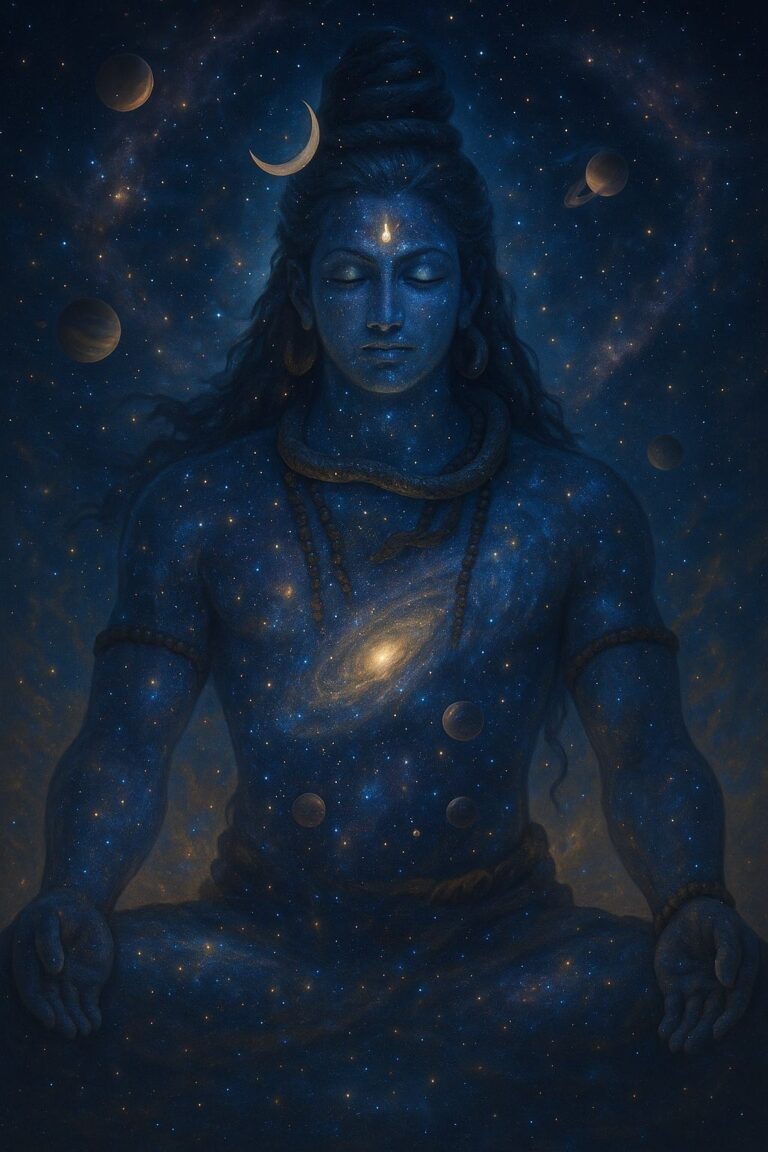
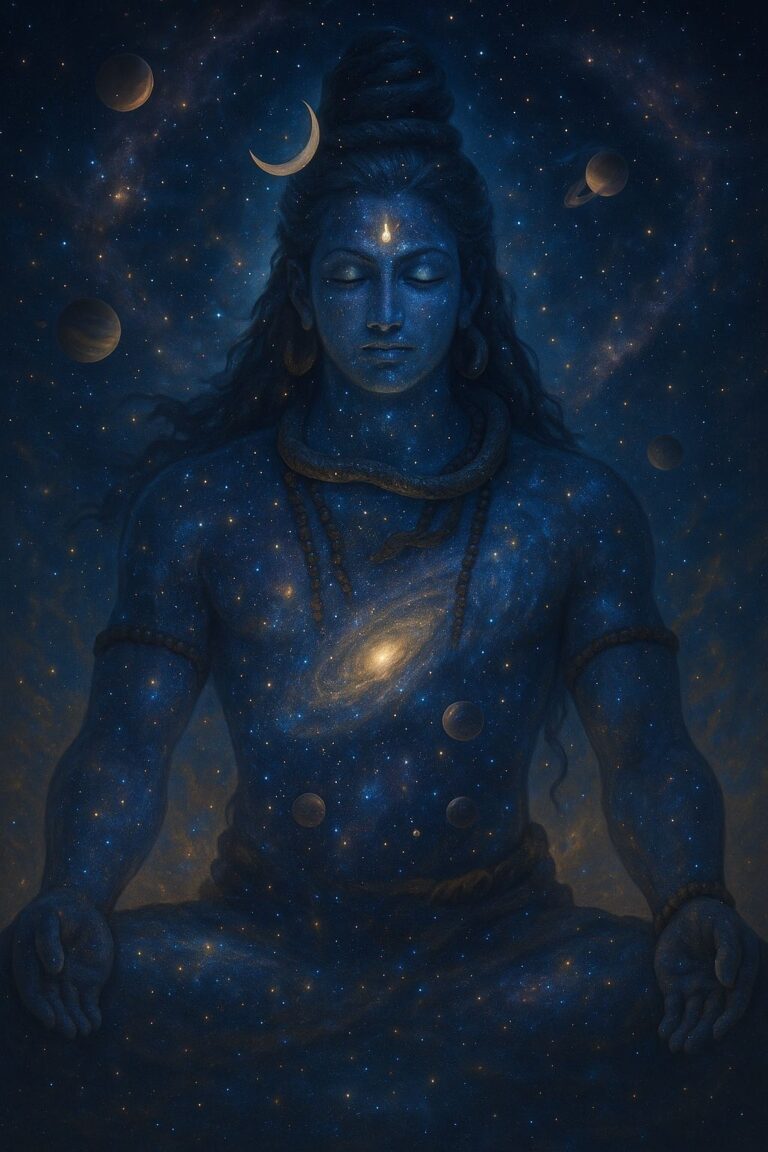
Seeing Lord Shiva in dreams reflects transformation, destruction of negativity, and renewal. His image may signal the end of a difficult phase and the beginning of a new, more meaningful journey. If you dream of Shiva meditating, it suggests the importance of detachment and inner peace. If he is dancing as Nataraja, it represents cycles of change and the encouragement to embrace transformation fearlessly. For deeper insight, see dream of Lord Shiva and snake.
Lord Vishnu
In Hindu belief, seeing God in dream Hinduism takes on a very special meaning when the dream involves Lord Vishnu. As the preserver of the universe and protector of dharma, Vishnu symbolizes balance, order, and divine guardianship. Dreaming of Him is often seen as a sign that stability is returning and that you are being protected during uncertainty.
Spiritually, a Vishnu dream often encourages you to stay aligned with truth, responsibility, and dharma. It reminds you that even in chaos, divine order is still present.
Goddess Lakshmi
Dreaming of Goddess Lakshmi is one of the most auspicious signs in Hindu tradition. As the goddess of wealth, fortune, and prosperity, Her appearance often symbolizes abundance, harmony, and success. In the context of seeing God in dream Hinduism, Lakshmi’s presence usually points to blessings in both material and spiritual life.
Common Lakshmi dream forms include:
- Lakshmi seated on a lotus – purity and spiritual wealth
- Lakshmi showering coins or gold – prosperity and financial success
- Calm and smiling Lakshmi – peace at home and emotional harmony
- Lakshmi with elephants – prestige, growth, and strength
- Lakshmi blessing with raised hand – protection and reassurance
If you are curious to learn more about Goddess Lakshmi lucky numbers, you can read about it in our blog.
Goddess Saraswati
When Goddess Saraswati appears in a dream, it signifies wisdom, learning, and clarity. This dream often comes to students, artists, and seekers of knowledge, urging them to pursue education or creative talents with devotion. It may also indicate that a solution to confusion will soon appear, guiding you toward clearer thinking and inspired ideas.
Lord Ganesha
Seeing Lord Ganesha in a dream represents the removal of obstacles and the beginning of new ventures. His presence may signal success in overcoming difficulties, whether in career, studies, or personal life. It also highlights the importance of patience, planning, and seeking blessings before starting significant projects.
Lord Krishna
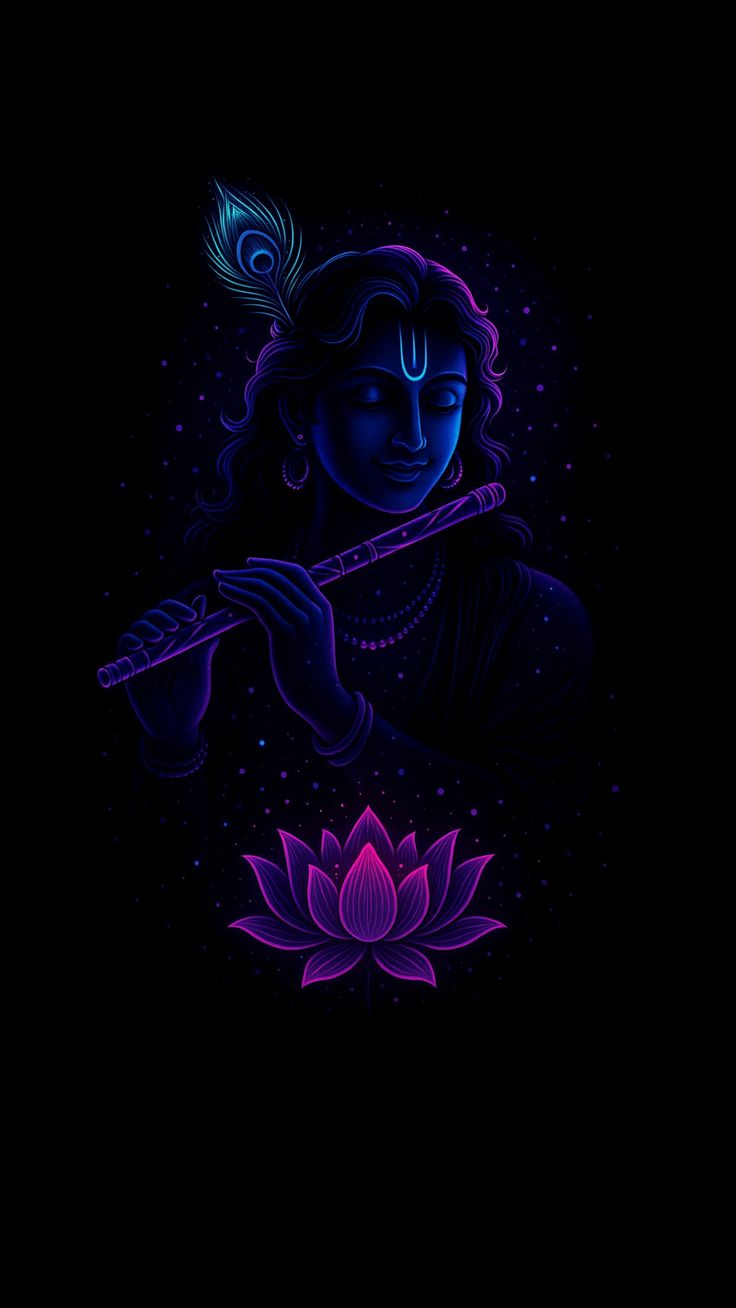
Dreaming of Lord Krishna is associated with love, joy, and divine playfulness. His appearance may encourage you to embrace compassion and harmony in relationships. If Krishna is playing the flute in your dream, it symbolizes peace, attraction to spiritual devotion, and the need to live life with a lighter, more joyful spirit.
Lord Hanuman
Seeing Lord Hanuman in a dream reflects loyalty, discipline, and the power of devotion. It often suggests that you have the inner strength to overcome fears and that your faith will protect you. For many, Hanuman’s presence in dreams is a call to act with courage and remain humble despite achievements.
Lord Brahma
Dreams of Lord Brahma, the creator, signify new beginnings, creativity, and inspiration. His appearance suggests that fresh ideas, opportunities, or projects are on the horizon. It can also be a message to take responsibility for shaping your destiny with wisdom.
In summary: when seeing god in dream Hinduism, each deity carries a unique spiritual message. Such visions are not random but deeply symbolic, reflecting your spiritual needs, emotional state, and the divine energy guiding your life.
Quick Guide to Seeing Deities in Dreams
| Deity | Dream Meaning | Spiritual Message | Lucky Numbers |
|---|---|---|---|
| Lord Vishnu | Balance, harmony, divine protection | Trust in cosmic order and follow dharma | 3, 7, 21 |
| Lord Shiva | Transformation, end of negativity, renewal | Embrace change and release what no longer serves | 9, 11, 27 |
| Goddess Lakshmi | Prosperity, abundance, material blessings | Practice gratitude and manage wealth wisely | 6, 15, 21 |
| Goddess Saraswati | Wisdom, clarity, learning | Focus on knowledge, creativity, and self-expression | 3, 5, 7 |
| Lord Ganesha | Removal of obstacles, new beginnings | Prepare carefully and move forward with awareness | 1, 8, 14 |
| Lord Krishna | Love, joy, harmony in relationships | Live with compassion and spiritual devotion | 6, 9, 21 |
| Goddess Durga | Strength, courage, protection | Face challenges with confidence and inner power | 8, 9, 27 |
| Lord Hanuman | Devotion, discipline, fearlessness | Rely on faith, effort, and courage | 11, 16, 18 |
| Lord Brahma | Creation, new beginnings, inspiration | Take responsibility and consciously shape your path | 1, 3, 12 |
Emotional Clues: How the Dream Felt
In Hindu tradition, the emotions surrounding a dream often reveal as much as the imagery itself. When interpreting seeing god in dream Hinduism, the way the dreamer felt during and after the vision provides powerful clues to its meaning.
Peace and Joy
- Feeling calm, uplifted, or joyful in the presence of God usually signals a true blessing.
- Such dreams are often described as satya swapna (true dreams) because they leave a lasting sense of reassurance.
- The dream may confirm that the dreamer’s devotion is acknowledged, or that divine grace is present in their life.
Awe and Reverence
- Many dreams of deities bring overwhelming awe, even trembling, similar to how Arjuna felt on seeing Krishna’s Virat Rupa in the Bhagavad Gita.
- These feelings indicate the vastness of divine power and the need for humility.
- The dreamer may be reminded of their smallness before the eternal, inspiring deeper devotion and surrender.
Fear or Unease
- Sometimes divine visions bring fear instead of peace, especially if the god appears in a fierce form like Kali or Rudra.
- Fear may reflect inner guilt, neglected duties, or resistance to dharma.
- In such cases, the dream serves as a corrective reminder: to examine one’s actions, repent where necessary, and realign with righteous living.
Longing and Tears
- Dreams that leave the dreamer crying or yearning often reflect the soul’s deep desire for connection with the divine.
- This emotional tone may symbolize separation (viraha) in the bhakti tradition, where longing itself is seen as a form of devotion.
- Such dreams encourage the dreamer to increase prayer, chanting, or seva to bridge the gap between longing and union.
Confusion or Emptiness
- If the dream leaves only confusion, emptiness, or a sense of distance, it may not be a true divine vision.
- Hindu philosophy recognizes that not all dreams come from the divine — some arise from the subconscious or daily worries.
- The dreamer is encouraged to practice discernment, reflecting on whether the emotions uplift or weaken spiritual resolve.
Lasting Aftereffects
- True spiritual dreams rarely fade quickly. If the vision of God lingers for days and continues to inspire positive change, it is more likely to be a meaningful encounter.
- If the emotions vanish quickly or lead only to doubt, the dream may have been shaped by the subconscious rather than divine will.
By paying attention to emotional clues, dreamers can better understand whether seeing god in dream Hinduism is a sacred reassurance, a dharmic warning, or a reflection of their own inner state. Emotions become the bridge between symbolic imagery and personal transformation in seeing god in dream Hinduism.
Symbolism and Visuals in the Dream
Dreams are layered with visual symbols. Here are some you might see when seeing god in dream Hinduism:
- Temple setting: A sacred message or a reminder to return to devotion
- Offerings or prasad: Acceptance of your spiritual efforts or blessings received
- Weapons or divine animals: Empowerment, protection, or inner courage
- Water or light: Purification, divine wisdom, or transformation
These elements deepen the meaning of the dream and can help you interpret its significance more precisely.
Psychological and Spiritual Perspectives
Dreams of the divine can be viewed from both psychological and spiritual angles. While Hindu tradition sees seeing god in dream Hinduism as sacred, psychology offers another lens that helps explain the emotions and subconscious elements behind such visions. By considering both views, the dreamer gains a more balanced understanding of what the seeing god in dream Hinduism might mean.
Psychological View
- Longing for Protection – Many people turn to God in times of uncertainty. Seeing a deity in a dream may be the subconscious mind’s way of seeking reassurance or safety when life feels unstable.
- Unresolved Emotions – Dreams often carry unresolved guilt, grief, or desires. A vision of God might emerge when the dreamer is struggling with self-forgiveness or moral conflict.
- Subconscious Processing – If the dreamer has been praying, reading scripture, or thinking deeply about faith, the subconscious may present God in a dream as a way of processing devotion or questions.
Spiritual View
- Divine Blessing – Hindu tradition holds that such dreams can be auspicious, reflecting the grace of the deity and a confirmation of divine presence in the dreamer’s life.
- Call for Devotion – Gods appearing in dreams may be urging the dreamer to renew prayer, chanting, or service, reminding them of dharma and spiritual duties.
- Ego Cleansing – Just as rituals emphasize surrender, seeing God in dreams can symbolize the need to let go of pride and worldly attachments.
- Spiritual Awakening – When the vision leaves lasting peace or awe, it may signal that the dreamer is entering a deeper stage of faith or consciousness.
Bridging Both Views
- Hindu thought acknowledges that true dreams (satya swapna) often mirror the state of the inner self. From this perspective, the psychological and spiritual interpretations are not contradictory but complementary.
- A dream of God can reveal what the mind longs for — protection, guidance, peace — while also serving as a spiritual reminder to align with dharma.
- The emotional aftereffects are key: if the dream inspires positive change, humility, or deeper devotion, then it functions as both a psychological release and a spiritual blessing.
By embracing both perspectives, the dreamer can approach seeing god in dream Hinduism with balance: honoring the sacred potential of the vision while also reflecting on how personal emotions and life circumstances shape its meaning.
What To Do After Seeing God In Dream Hinduism
After seeing God in dream Hinduism, the best response is reverence, reflection, and calmness. Such a dream is often meaningful, but it should not be treated with panic or turned into a forced prediction. The goal is to receive the experience with respect and then reflect on what it may be showing you spiritually or emotionally.
Visit A Temple If You Feel Drawn To
If the dream felt peaceful, powerful, or deeply sacred, visiting a temple can be a simple and grounding response. It may help you feel more connected, centered, and grateful.
Offer A Prayer
A short prayer of thanks, guidance, or surrender is often enough. You do not need to do anything dramatic. A sincere prayer can help you honor the dream without overreacting to it.
Journal The Dream Details
Write down:
-
which God appeared
-
what the expression or action was
-
how the dream felt
-
what symbols, words, or settings stood out
These details often matter more than the image alone and may help the meaning become clearer later.
Reflect On Your Dharma
Ask yourself whether the dream may be pointing you back toward truth, balance, devotion, responsibility, or inner correction. In many cases, such dreams are less about prediction and more about alignment.
Do Not Panic Or Force A Prediction
Not every divine dream is a direct forecast of an event. Sometimes it is reassurance, sometimes blessing, sometimes guidance, and sometimes a reminder to return to faith. It is better to stay grounded, respectful, and thoughtful than to force a dramatic meaning onto the dream.
Cultural Practices Related to God Dreams
In Hindu tradition, dreams of the divine are treated with reverence. When seeing god in dream Hinduism, many people follow cultural and devotional practices that honor the vision and help integrate its message into daily life. These practices provide balance between gratitude, reflection, and action.
Visiting a Temple and Offering Prayer
- One of the most common responses to a divine dream is visiting a temple.
- Devotees may light a lamp (diya), offer flowers, or perform archana to the deity they saw in the dream.
- This act acknowledges the sacredness of the vision and expresses gratitude for divine presence.
- A temple visit also helps anchor the dream in the collective spiritual environment, turning a private experience into shared devotion.
Chanting Mantras and Bhajans
- Chanting the mantras of the deity seen in the dream is believed to strengthen the connection.
- For example, after seeing Shiva, one might recite Om Namah Shivaya; after a vision of Krishna, chant the Hare Krishna Mahamantra.
- Singing bhajans or kirtan (devotional songs) brings joy and reinforces the emotional bond created in the dream.
- Regular chanting transforms the dream into a living practice that continues to uplift the heart.
Acts of Seva (Service and Charity)
- Hindu culture emphasizes that devotion is incomplete without action.
- Performing seva, such as feeding the poor, helping in a temple, or donating to charity, channels the inspiration of the dream into meaningful service.
- Such acts are seen as extensions of worship, reminding the dreamer that God is present in all beings.
- By practicing seva after a dream, the individual transforms personal blessing into collective good.
Reading Scriptures for Deeper Understanding
- Scriptures such as the Bhagavad Gita, Ramayana, and Bhagavata Purana contain stories where humans encounter God directly, often in dreams or visions.
- Reading these texts after seeing god in dream Hinduism can provide context and reassurance.
- Verses that emphasize dharma, devotion, and surrender may illuminate the message behind the dream.
- Study of scripture ensures that the dreamer interprets the vision through the lens of divine wisdom rather than personal assumption alone.
Journaling and Reflection
- Writing down the dream immediately after waking helps preserve its details, including emotions, words, and imagery.
- Reflection questions may include: What message could God be sending me? Am I neglecting a part of my dharma? How does this dream inspire me to live more sincerely?
- Journaling allows the dreamer to revisit the dream later, noting how its meaning evolves over time.
- This practice integrates the dream into spiritual growth, making it a personal teaching rather than just a fleeting vision.
Cultural practices turn dreams of God into living experiences that inspire devotion, service, and self-reflection. By combining temple worship, chanting, seva, scripture, and journaling, the dreamer honors the sacredness of seeing god in dream Hinduism while deepening their path of dharma and bhakti.
Reflection Questions After the Dream
When seeing god in dream Hinduism, the most important step is not only to honor the vision but to reflect on its personal meaning. Hindu tradition emphasizes self-inquiry as a way to understand divine messages. Journaling or meditating on thoughtful questions can help uncover what the dream is pointing toward in one’s life.
Questions About the Message
- What message might this deity be offering me?
- Was there any advice, symbol, or gesture that stood out?
- Did God speak, bless, or remain silent — and what could that mean for me?
Questions About Dharma and Daily Life
- Am I living in alignment with my dharma — my responsibilities, ethics, and purpose?
- Is there a duty I have been neglecting that this dream reminds me to fulfill?
- How can I bring more devotion and sincerity into ordinary tasks?
Questions About Emotions in the Dream
- What emotions surfaced during the dream — peace, awe, fear, or longing?
- Did I feel close to the divine or distant and unworthy?
- How do those emotions reflect my current spiritual state?
Questions About Spiritual Practice
- Am I consistent in prayer, chanting, or meditation, or have I become passive in devotion?
- Does this dream call me to increase seva (service) or charity?
- Is there a scripture or mantra I feel drawn to study more deeply after this vision?
Questions About Personal Transformation
- Is there something I need to let go of — pride, guilt, or fear — for my faith to grow stronger?
- How can this dream inspire me to improve relationships, forgive others, or cultivate compassion?
- Am I ready to see this dream not only as comfort but as a responsibility to live with greater awareness?
Reflection questions are not about finding one “correct” answer but about opening space for inner clarity. By asking these questions, the dreamer turns seeing god in dream Hinduism into a personal guide — one that invites change, devotion, and alignment with dharma.
Seeing God in Dream Hinduism: FAQ
What does it mean when you see God in your dream in Hinduism?
Seeing God in a dream in Hinduism is considered highly auspicious. It often symbolizes divine guidance, blessings, and reassurance that you are on the right spiritual path. Such dreams encourage faith, devotion, and trust in higher powers.
Is seeing God in dream Hinduism a good sign?
Yes, in Hindu tradition, dreaming of God is usually seen as a positive sign. It can indicate protection from difficulties, fulfillment of desires, or the beginning of spiritual progress.
What does it mean to see God idols in dream?
Dreaming of God’s idols often represents devotion and a reminder to strengthen your spiritual practices. It may also suggest that you need to reconnect with prayer, rituals, or inner faith.
What does it mean when God talks to you in a dream?
If God speaks to you in a dream, it symbolizes direct guidance from the divine. The words or messages you hear may carry important meaning for your life decisions, personal struggles, or spiritual journey.
What does it mean to pray to God in a dream?
Dreaming about praying to God reflects your inner search for peace, forgiveness, and support. It highlights your desire for comfort and your readiness to surrender challenges to divine will.
What if you dream of multiple gods or goddesses in Hinduism?
Dreaming of many deities can represent abundance of blessings, protection, and different aspects of spiritual energy guiding you. It may also signal balance between creation, preservation, and transformation in your life.
Is seeing God in dreams a prediction of the future?
While not always literal predictions, these dreams are viewed as spiritual messages. They often highlight that you are under divine care and that positive changes or blessings may unfold soon.
What if I see multiple gods together in a dream?
Seeing more than one deity in a dream can symbolize harmony of divine energies. In Hindu philosophy, all gods are manifestations of the same ultimate reality (Brahman). Such a dream may remind the dreamer of unity within diversity, or of the many-sided nature of truth.
Does the time of night matter when interpreting a god dream?
Traditional Swapna Shastra texts suggest that dreams seen in the early morning hours, just before waking, are more likely to carry meaning. This is when the mind is quiet and less disturbed by daily impressions. Dreams in the middle of the night may reflect subconscious processing more than divine guidance.
Can a god dream be a result of excessive devotion or constant thinking about a deity?
Yes, sometimes repeated chanting, reading, or thinking about a god can influence seeing god in dream Hinduism interpretation. In such cases, the dream may be the mind’s reflection of devotion rather than a direct divine message. Still, Hindu tradition views even these dreams positively, since they show that the deity is deeply imprinted on the dreamer’s consciousness.
Is seeing god in dream Hinduism considered the same as having a vision while awake?
No. Hindu tradition distinguishes between dreams and waking visions. While both can be sacred, dreams are shaped by the subconscious mind as well as divine influence. A true waking vision is considered much rarer and often linked with saints or advanced devotees. Dreams, however, may still carry divine blessings or reminders if they inspire devotion and align with dharma.
What if I dream of God in an unfamiliar form or as light instead of a deity’s image?
Not all divine dreams show recognizable forms like Shiva or Krishna. Some devotees experience God as radiant light, sound, or a symbolic presence. In Hindu belief, this can represent the formless aspect of divinity (nirguna Brahman). Such dreams may indicate spiritual depth or the call to look beyond form toward ultimate truth.
Could a god dream be a warning rather than a blessing?
Yes. If the dream includes stern gestures, silence, or turning away, it may be a reminder to correct one’s path. Hindu epics often describe deities warning kings or devotees in visions. These warnings are not punishments but opportunities to realign with dharma before greater difficulties arise.
How should I share or keep private a dream of seeing God?
Traditionally, sacred dreams are shared cautiously. They may be discussed with a guru, trusted elder, or knowledgeable person who can offer guidance. Sharing widely, especially with those who might mock or misunderstand, is discouraged. Keeping the dream close to the heart helps preserve its sanctity.
Is seeing god in dream Hinduism more likely for highly spiritual people?
While saints and deep practitioners are often described as having divine dreams, ordinary devotees may also receive them. Hindu philosophy teaches that God’s grace is not limited by status or spiritual advancement. Even a person struggling with faith may be given such a dream as encouragement or reminder.
Can seeing god in dream Hinduism predict future events?
Most Hindu interpretations emphasize symbolic and spiritual meaning rather than literal prediction. While some texts note that auspicious dreams can signal future blessings, the main purpose is considered moral or devotional guidance, not fortune-telling.
Why do I keep seeing God in my dreams?
If you keep seeing God in your dreams, it usually means the message feels emotionally or spiritually important and is repeating because your mind or inner life is still processing it. In Hindu interpretation, repeated divine dreams can point to blessing, guidance, reassurance, or a call to pay closer attention to your faith, dharma, and current life direction.
Final Thoughts
The experience of seeing god in dream Hinduism is not to be taken lightly. Whether it brings comfort, clarity, or curiosity, it often signals a meaningful point in your spiritual evolution. If you’re walking a devotional path, it could be divine response. If you’re facing trials, it may be a message of encouragement. If you’re at a crossroads, it might be a call to align your life with your deeper purpose.
Ultimately, these dreams are not random. They are reminders that the divine is always accessible and that your soul is listening – perhaps more deeply than you realize.